Camping with Toddlers: The Survival Guide for RV Families
Camping with a toddler is not a smaller version of camping with kids — it is a different sport. The good news: an RV solves most of it. Here is how to handle sleep, meals, safety and sanity when your travel buddy is three feet tall and deeply committed to chaos.
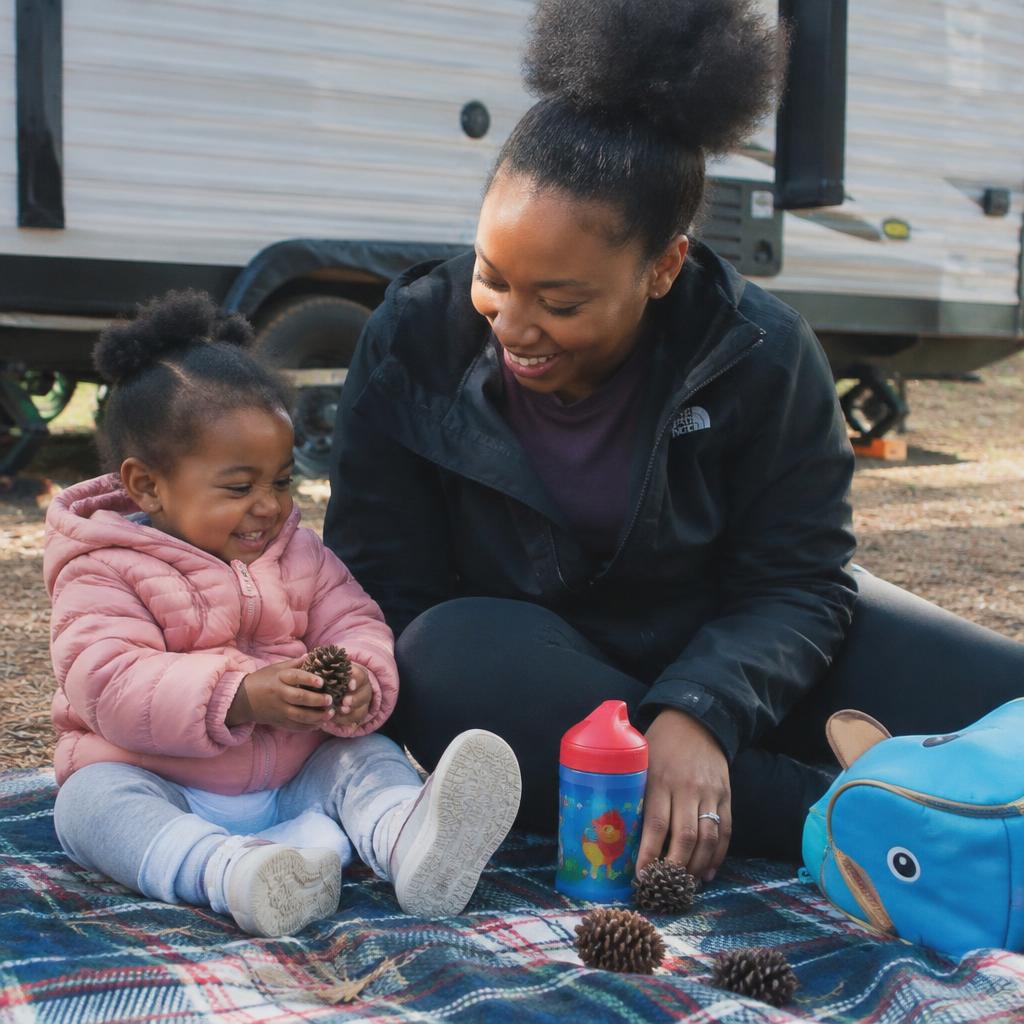
Affiliate disclosure: some links in this article are affiliate links. If you buy through them we may earn a small commission at no extra cost to you. Read the full disclosure.
Why the toddler years are secretly great for RVing
Toddlers do not care about destinations. A gravel pad, a stick and a puddle outperform any attraction you could drive to, which means you get to pick campgrounds for you — the scenery, the trails, the quiet, and the toddler will be delighted regardless.
An RV also fixes the hardest part of travel with little kids: consistency. Same bed, same sheets, same white noise, same snack bin, every single night. The campground changes; home does not. Families who start RVing in the toddler years almost universally report easier trips than families flying with toddlers.
Sleep: protect it like it is your job
Keep the home sleep routine exactly intact — same order, same books, same lullabies, and just change the venue. A travel crib or a converted dinette with rails works; what matters is that it is the same every night and smells like home. Bring the crib sheet unwashed. This is not the trip to introduce a new blanket.
Darkness is your biggest enemy in summer camping. Blackout covers or Reflectix cut to fit the bunk windows turn 9 p.m. daylight into something a toddler brain can sleep in. A small white-noise machine (or a phone app on airplane mode) covers campground noise — neighboring campfires do not follow toddler bedtimes.
For naps, the drive is your friend. Plan travel legs around nap time and let the car seat do the work. A two-hour drive at 12:30 p.m. is not lost sightseeing time; it is the mechanism that makes the evening pleasant.
In a hurry? Jump straight to the gear we recommend for this.
Kid-proofing a campsite in ten minutes
Do the sweep before the toddler leaves the rig: check the site for broken glass, sharp gravel, ant hills, poison ivy, and the irresistible electrical pedestal. Set a visual boundary — a string of camp flags, a rug line, a row of chairs, and make it a game: stay on this side of the flags.
Inside the rig, the hazards are steps, the stove knobs, and the door. A pressure-mounted gate (or a strategically placed ottoman) handles bunk ladders; stove knob covers cost three dollars; and a simple door alarm or a bell on the door handle tells you the instant someone small attempts a jailbreak.
The fire ring deserves its own rule, repeated until it echoes: the fire circle is for looking, and only with a grown-up's hand. A small camp chair that is the toddler's own, placed a set distance back, gives them a job and a place in the ritual.
Meals and snacks that survive camping
Toddlers eat on toddler schedules, and campground days rarely cooperate. The solution is the snack bin: a dedicated, always-accessible container of shelf-stable options they can see and you can hand out without stopping an activity. Hungry toddlers escalate fast; fed toddlers are flexible.
Cook the same food you cook at home, outside. This is not the week to introduce campfire cuisine — familiar pasta, quesadillas and pancakes eaten at a picnic table feel like a feast. Keep one emergency frozen meal or a jar of the good pasta sauce for the day everything goes sideways, because there will be one.
Sippy cups multiply in the woods. Bring twice as many as you think you need, plus a dedicated wash basin. Water bottles with straws live clipped to the camp chairs so hydration is ambient, not an event.
What to actually do all day
Lower the bar, then lower it again. The goal of a toddler camping day is: one short walk with a stick and a bucket, one water activity (a creek edge, a splash pad, a five-gallon bucket and cups), one nap, and one campfire with a marshmallow waved vaguely near heat. That is a complete, excellent day.
Bring a small set of camp-only toys that live in a bin: trucks for the gravel, a shovel and bucket, bubbles, and a magnifying glass. The novelty does the work — these toys are magical precisely because they only exist at camp.
Build in adult trade-offs. One parent does the morning walk while the other drinks coffee in a chair; swap after nap. Camping with a toddler is genuinely relaxing in shifts, and genuinely exhausting if both adults are always on.
Recommended gear for this trip
Everything below is hand-picked for family trips. Affiliate links support the site.
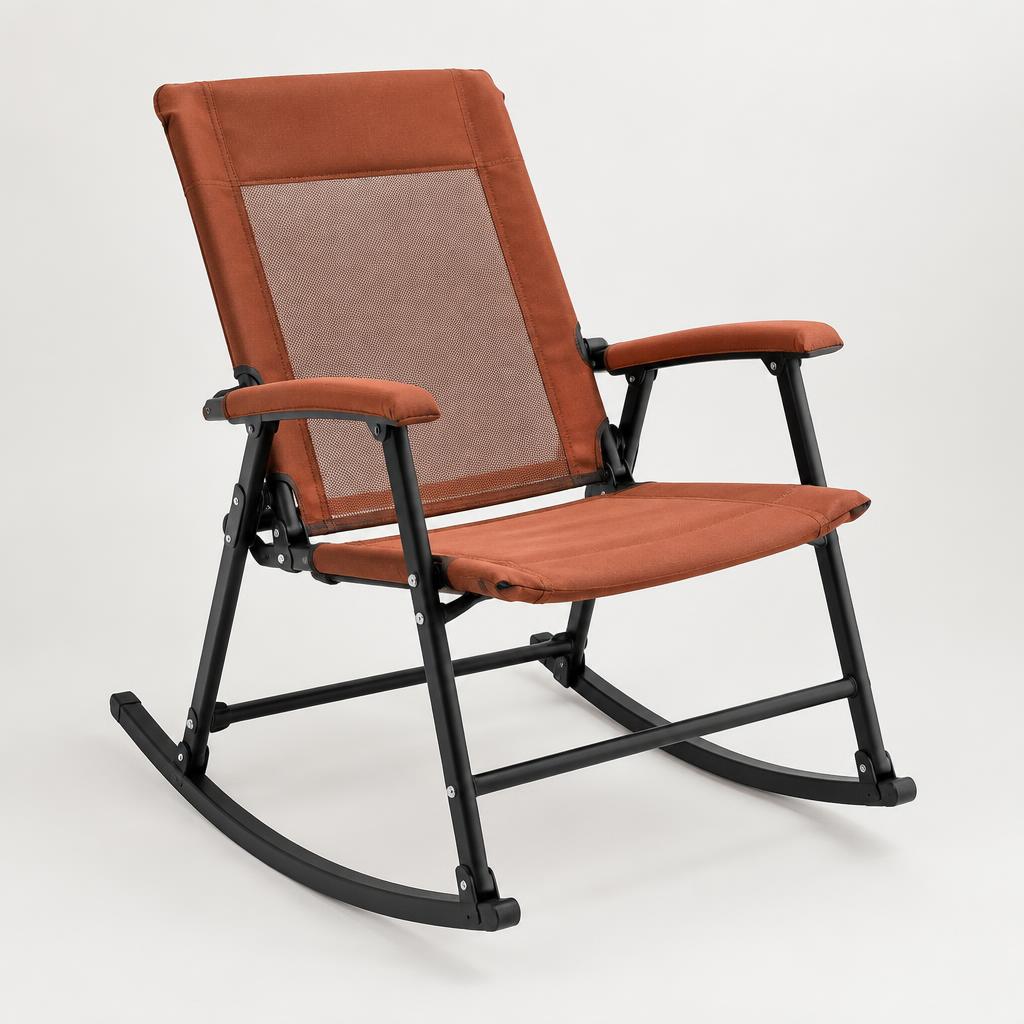 Best for campfire nights
GCI Outdoor Freestyle Rocker
A rocking camp chair that works on grass or gravel, folds flat for storage, and is sturdy enough that parents and kids both end up fighting over it.
Key benefits
- Spring-action rocking on any surface
- Holds up to 250 lbs
- Folds flat for easy packing
Pros
- Rocking works even on uneven ground
- Padded armrests with a drink holder
- Sets up in seconds
Cons
- Heavier than a basic folding chair at about 12 lbs
Affiliate link — we may earn a commission at no cost to you.
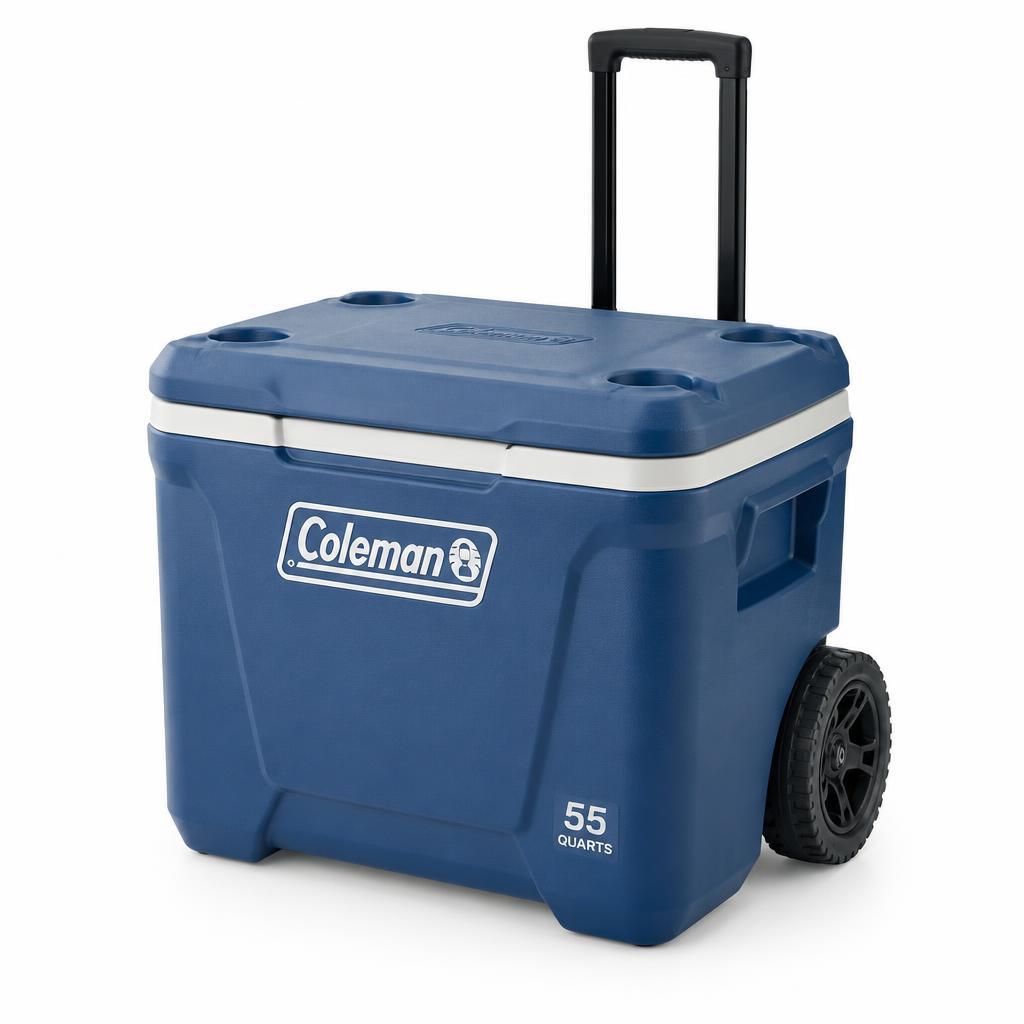 Best for long trips
Coleman 55-Quart Wheeled Cooler
A 55-quart wheeled hard cooler with multi-day ice retention, so you stop restocking the campground store every morning.
Key benefits
- Up to 5 days of ice retention
- Wheels and handle for campsite hauling
- Lid doubles as an extra seat
Pros
- Great value for the size
- Drain plug for easy cleaning
Cons
- Takes up real cargo space
- Holds fewer days than premium rotomolded brands
Affiliate link — we may earn a commission at no cost to you.
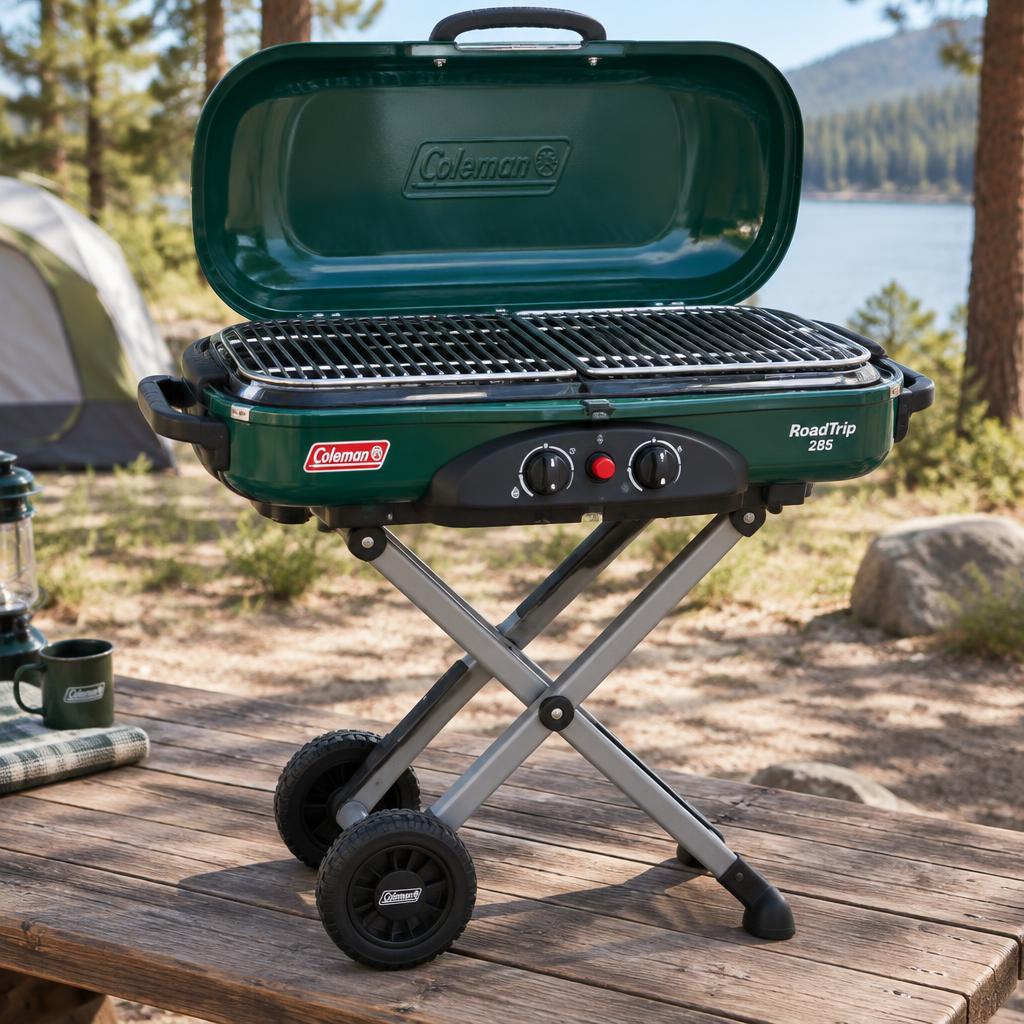 Best for camp cooking
Coleman RoadTrip 285 Portable Propane Grill
A wheeled stand-up grill with 285 sq in of cooking space and adjustable burners, running on the same 1 lb propane canisters most families already carry.
Key benefits
- 285 sq in of cooking space with 20,000 total BTU across three burners
- Instastart push-button ignition and adjustable burners for zone cooking
- Wheeled stand folds down to fit in a pass-through bay
Pros
- Fast preheat
- Even heat across the large grate
- Works with an adapter hose off a bigger tank
Cons
- Heavier than a tabletop grill at about 48 lbs
Affiliate link — we may earn a commission at no cost to you.
Frequently asked questions
What age can you take a baby or toddler RV camping?
Any age — families camp with newborns routinely, and the toddler years are easier than most parents expect because the RV keeps sleep, food and routine consistent. The hardest camping age is usually the mobile-but-fearless window (roughly one to two and a half), which is exactly what kid-proofing and flag boundaries solve.
Where does a toddler sleep in an RV?
Most families use a travel crib in the living area, a converted dinette with bed rails, or a lower bunk with a rail and blackout curtains. Whatever you choose, use the same setup every night and bring the sheets from home unwashed — familiar smell does more than any gadget.
How do you keep a toddler safe around a campfire?
Set a physical boundary (their own chair placed a set distance back), repeat one simple rule every single fire — look with a grown-up, hand in hand — and never leave a toddler unattended within reach of the ring. A bucket of water next to the fire is both the safety tool and the teaching prop.
How long should a first camping trip with a toddler be?
Two nights, close to home. The first trip is a systems test — sleep setup, meal logistics, the drive — not a vacation to maximize. If night one goes badly, you are an hour from your own bed, and if it goes well, you have a success to build on.
Share
Facebook X PinterestGet the free RV planning bundle
Five printable checklists you can download and print right now — no email required.
Free to download, print and share. No spam — just the checklist.
Related reading
Best Travel Games for Kids on Long Road Trips
Games sorted by age and by how much the driver has to participate — the second one matters more than you think.
8 min read
RV Safety for Families: The Rules That Matter Before Every Mile
Nobody hands you a safety manual when you drive off the lot. These are the checks that actually matter — the ones experienced families do every single trip, in the driveway, at every fuel stop, and the moment the rig is parked.
13 min read
The Complete Beginner's Guide to Family RVing
What to know before a first family RV trip: rig choice, campground booking, packing and the routines that keep kids happy on travel days.
14 min read