The Complete Beginner's Guide to Family RVing
What to know before a first family RV trip: rig choice, campground booking, packing and the routines that keep kids happy on travel days.
Affiliate disclosure: some links in this article are affiliate links. If you buy through them we may earn a small commission at no extra cost to you. Read the full disclosure.
Start with how your family actually travels
Before you look at a single floor plan, write down how many nights per year you will realistically travel, how far you are willing to drive in a day, and how old your kids will be for the next three seasons. Family RV travel works best when the rig matches the trips you take, not the trips you imagine.
Weekend families are usually happiest with something they can park at home and hitch in fifteen minutes. Families taking three-week national park loops need more tank capacity, more sleeping berths and a stronger tow vehicle.
Choosing your first rig
Travel trailers are the most common family starting point: lower purchase price, separate tow vehicle for day trips, and bunkhouse layouts designed for kids. Class C motorhomes trade that flexibility for a much easier travel day — kids stay buckled in the same vehicle, and setup is faster.
Whatever you choose, weigh it. Compare the loaded weight to your tow vehicle's payload and towing capacity before you buy, not after. Weight is the single most common beginner mistake in RV buying.
In a hurry? Jump straight to the gear we recommend for this.
Booking campgrounds that work for kids
The best RV campgrounds for families are rarely the prettiest photos. Look for a playground within sight of the sites, full hookups if you have a toddler in the laundry stage, and a loop road that is safe for bikes.
Book popular national park campgrounds the day the reservation window opens — usually five or six months out. For everything else, mid-week arrivals are cheaper and quieter.
The first trip: keep it close and short
Make your shakedown trip a single night within an hour of home. You will find the leaks, the missing adapters and the drawer that empties itself on every turn, and you can drive home if something goes badly wrong.
Build a travel-day rhythm: leave after breakfast, stop every two hours, arrive before 4pm. Kids handle long RV road trips well when the day is predictable.
What to pack for the first season
Start with the systems that make the rig livable: a drinking-water hose, water pressure regulator, sewer hose and support, leveling blocks, wheel chocks, a surge protector and a basic tool kit. Add comfort gear after you know how you camp.
Resist buying storage bins before your first trip. You will not know what you actually carry until you have unpacked once.
Recommended gear for this trip
Everything below is hand-picked for family trips. Affiliate links support the site.
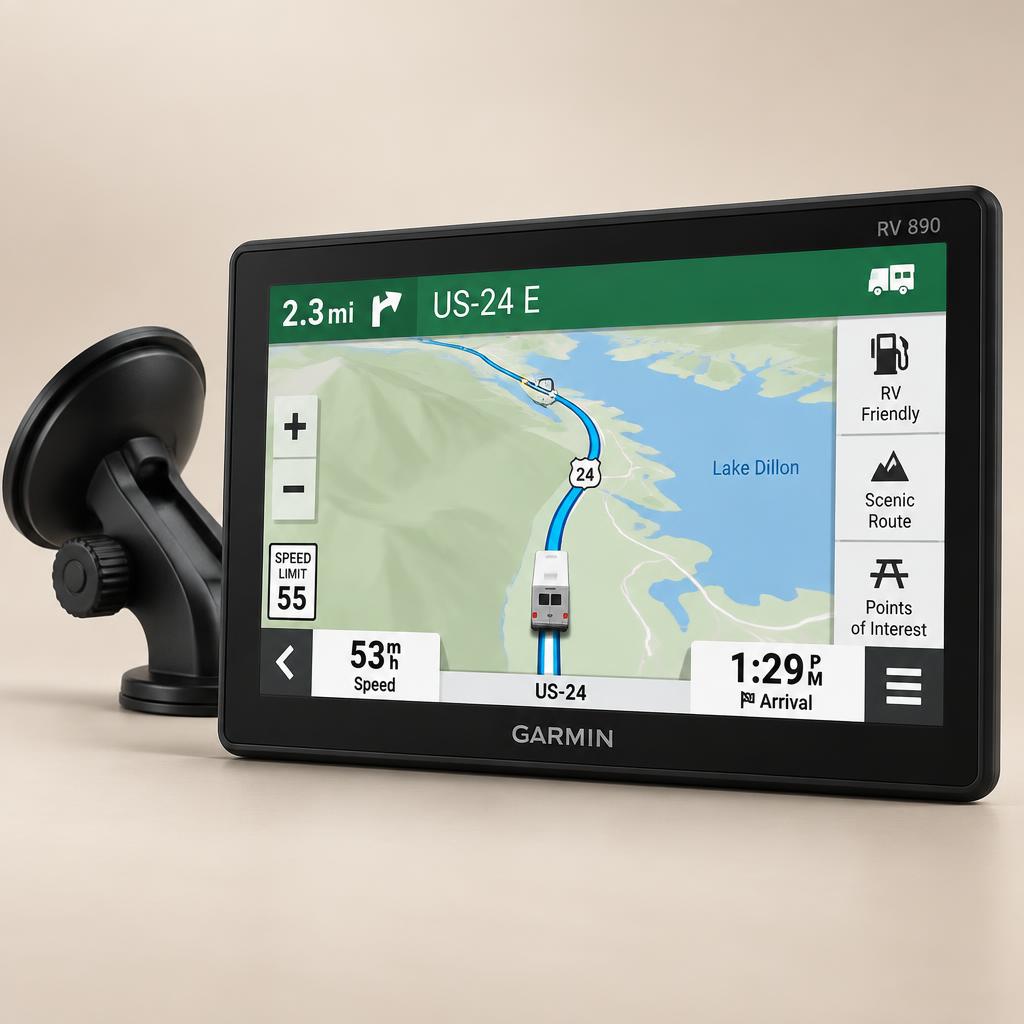 Best for towing safety
Garmin RV 890 GPS Navigator
Routes around low bridges, steep grades and weight-restricted roads using your rig's real height and length.
Key benefits
- Custom RV routing by size and weight
- 8-inch high-resolution touchscreen
- Preloaded street maps with free updates
Pros
- Warns early on grades
- Clear lane guidance
Cons
- Map updates can be slow over Wi-Fi
Affiliate link — we may earn a commission at no cost to you.
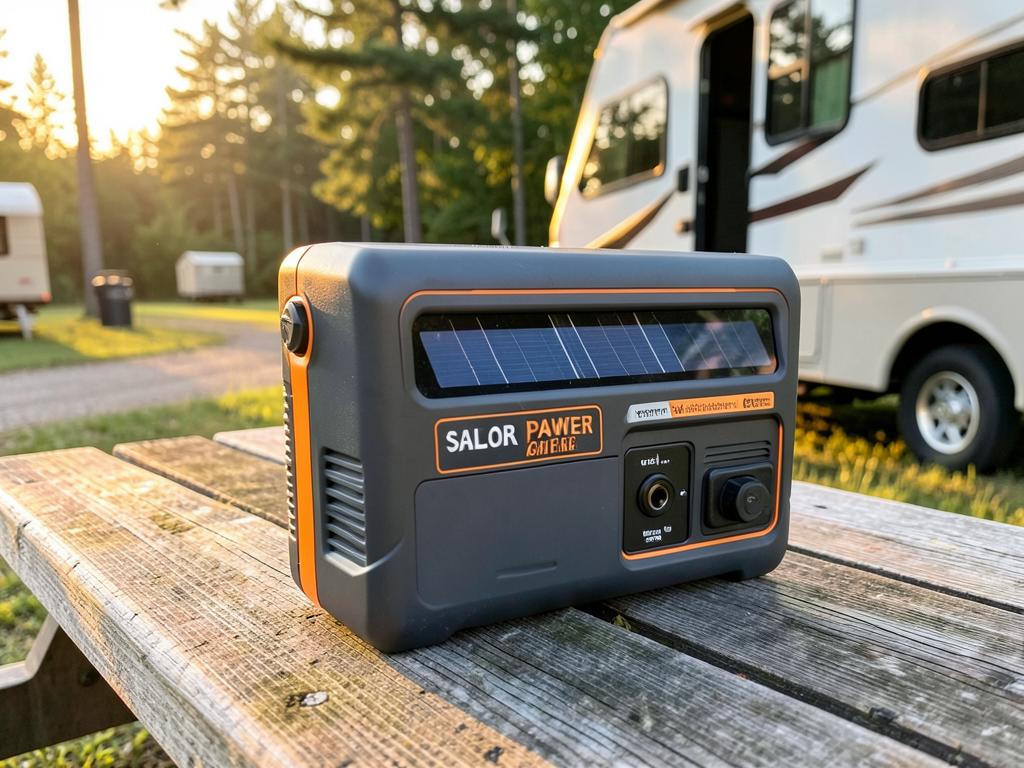 Best for boondocking
Jackery Explorer 1000 v2
A 1,070Wh power station that keeps a 12V fridge, CPAP and kids' tablets running through a long weekend off-grid.
Key benefits
- 1,070Wh LiFePO4 battery rated for 4,000 charge cycles
- 1,500W output (3,000W surge) across three AC outlets
- Recharges from 400W of panels in under 4 hours
Pros
- Silent operation
- Only 23.8 lbs — lightest in its class
- Dual 100W USB-C for laptops
Cons
- Panels sold separately
- Full wall charge takes about 1.7 hours
Affiliate link — we may earn a commission at no cost to you.
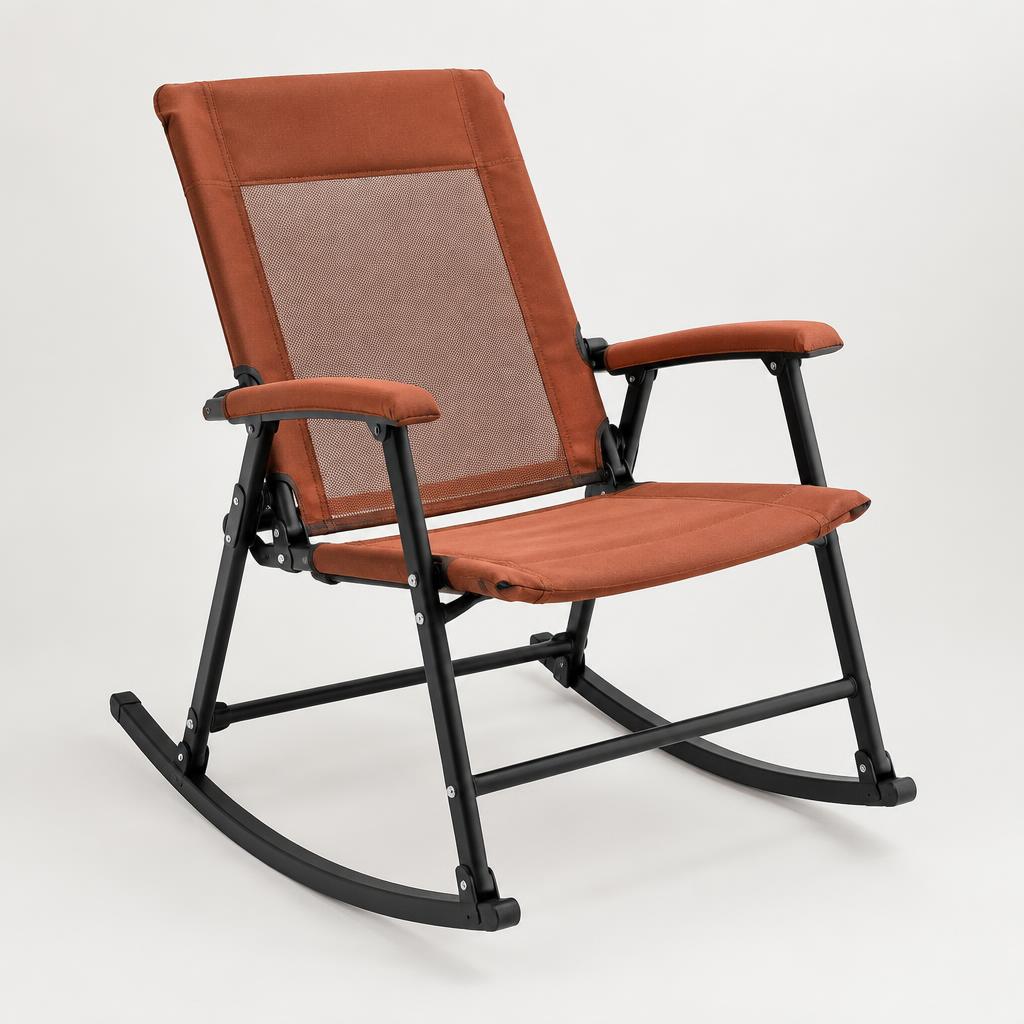 Best for campfire nights
GCI Outdoor Freestyle Rocker
A rocking camp chair that works on grass or gravel, folds flat for storage, and is sturdy enough that parents and kids both end up fighting over it.
Key benefits
- Spring-action rocking on any surface
- Holds up to 250 lbs
- Folds flat for easy packing
Pros
- Rocking works even on uneven ground
- Padded armrests with a drink holder
- Sets up in seconds
Cons
- Heavier than a basic folding chair at about 12 lbs
Affiliate link — we may earn a commission at no cost to you.
Frequently asked questions
How much does family RVing cost per night?
Plan on $35–$70 per night at a private campground with hookups, $20–$35 at most state and national park campgrounds, and free at many public-land sites with no services. Fuel is usually the bigger line item on long RV road trips.
What size RV is best for a family of four?
Most families of four are comfortable in a 25–32 foot bunkhouse travel trailer or Class C. Under 30 feet keeps almost every national park campground available to you.
Do I need a special license to drive an RV?
In most U.S. states, no special license is required under 26,000 pounds combined weight. A handful of states require a non-commercial special license above that threshold, so check your own state's rules.
Share
Facebook X PinterestGet the free RV planning bundle
Five printable checklists you can download and print right now — no email required.
Free to download, print and share. No spam — just the checklist.
Related reading
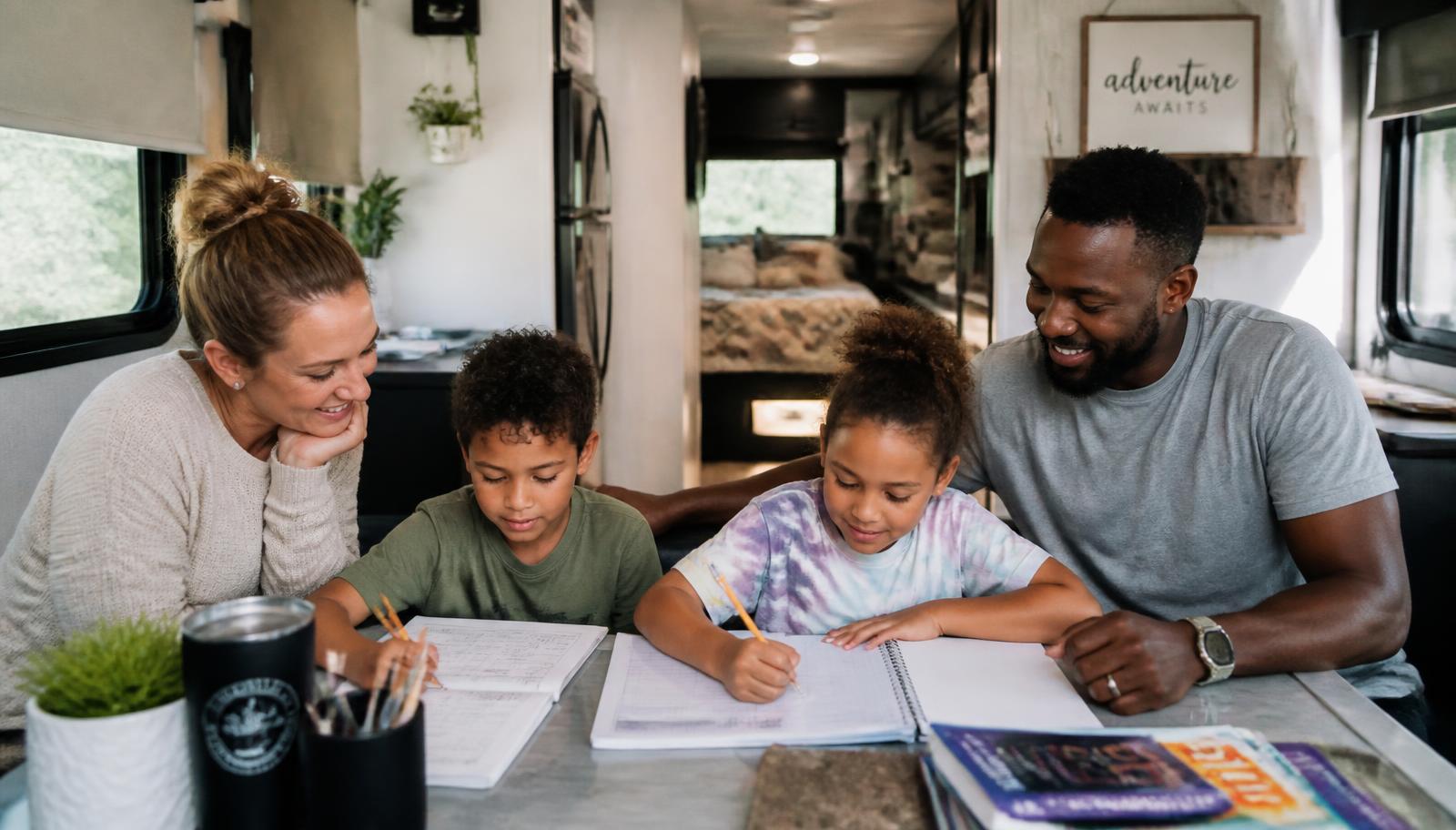
Full-Time vs Weekend RVing: Which Fits Your Family?
A side-by-side comparison of cost, schooling, work, rig choice and what each travel style asks of a family over time.
12 min read
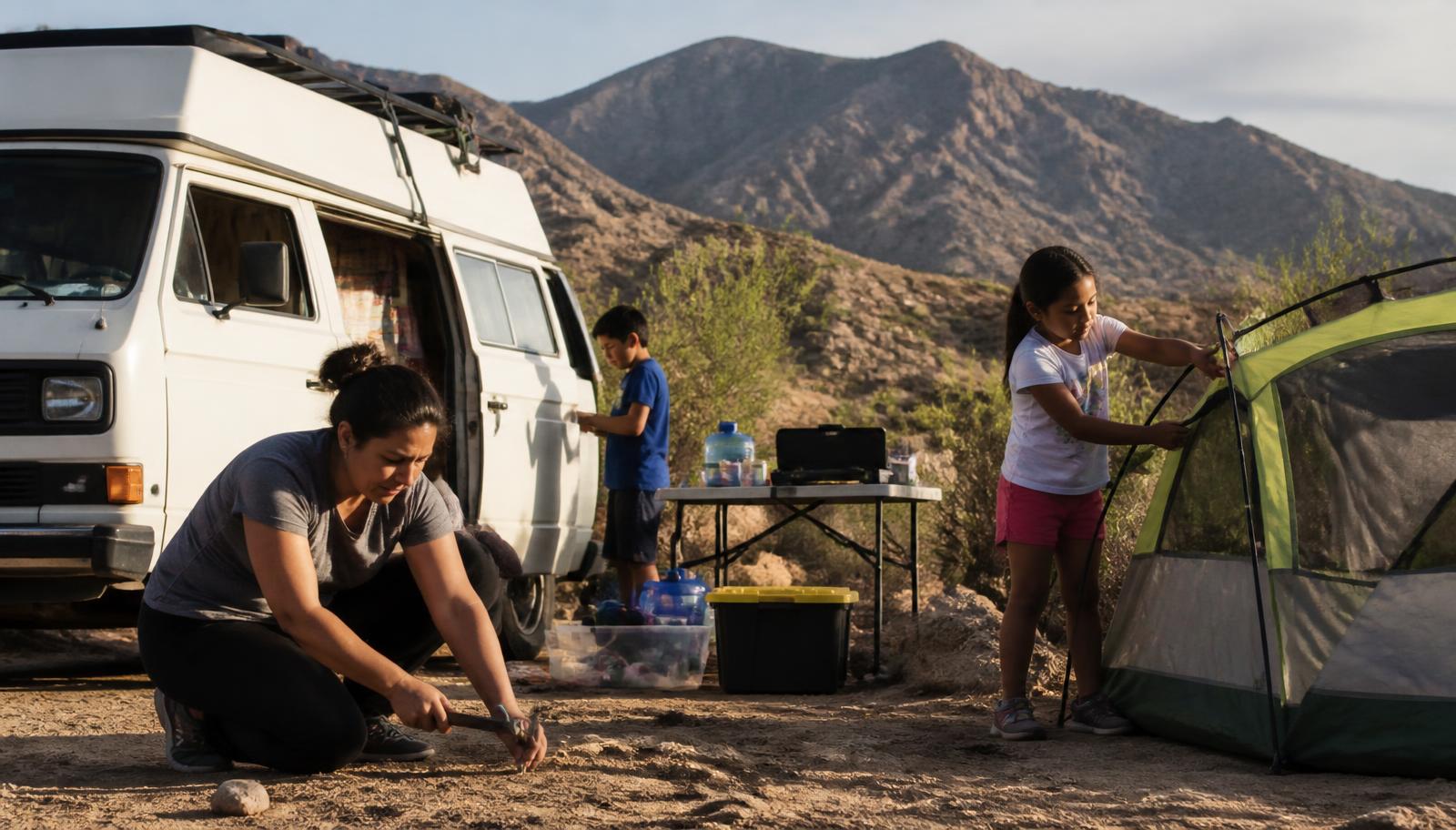
How to Save Money While RV Camping
Where the money actually goes on a family RV trip, and the four changes that can cut an average nightly cost nearly in half.
11 min read
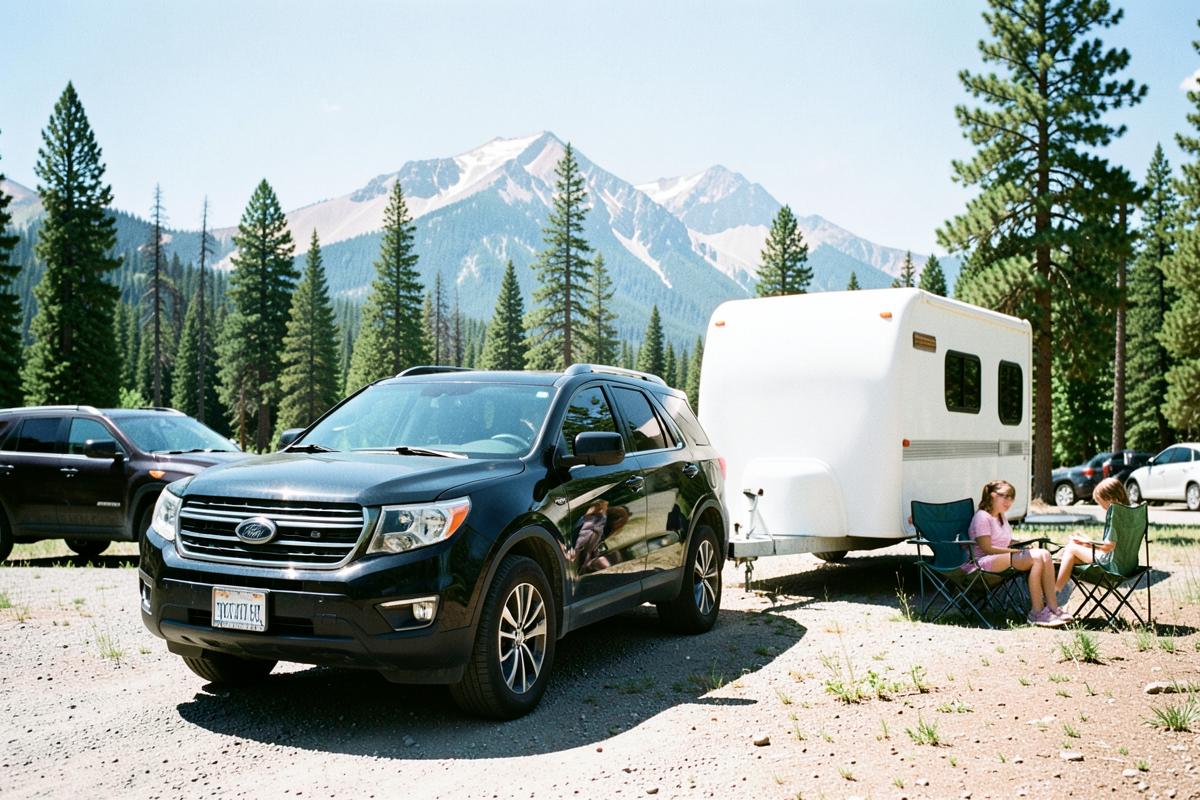
Lightweight Travel Trailers for Families: What to Know Before You Buy
You do not need a heavy-duty truck to RV with kids. Lightweight trailers under 3,500 pounds open the whole lifestyle to families with a midsize SUV — if you understand what the weight labels actually mean.
14 min read