Lightweight Travel Trailers for Families: What to Know Before You Buy
You do not need a heavy-duty truck to RV with kids. Lightweight trailers under 3,500 pounds open the whole lifestyle to families with a midsize SUV — if you understand what the weight labels actually mean.
Affiliate disclosure: some links in this article are affiliate links. If you buy through them we may earn a small commission at no extra cost to you. Read the full disclosure.
Why lightweight trailers fit family life
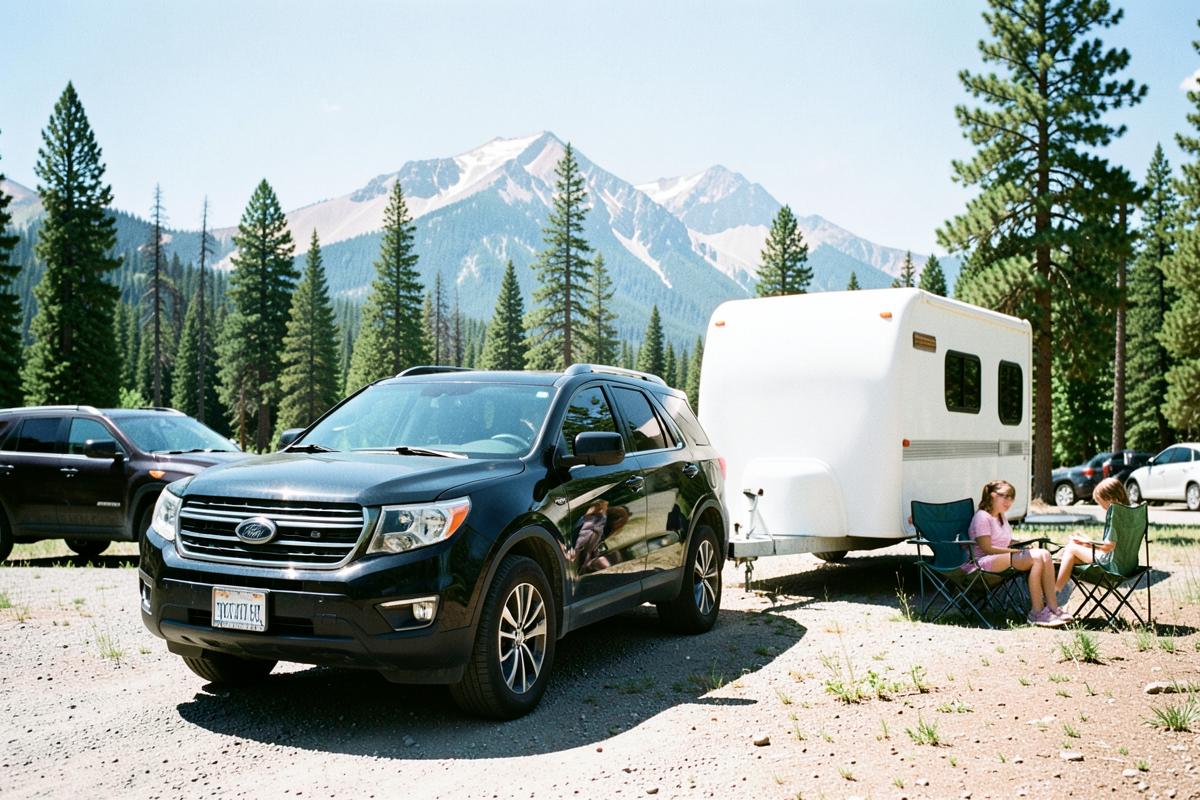
The biggest barrier to family RVing is not the trailer — it is the tow vehicle. Families who already own a minivan or midsize SUV often assume RVing requires buying a truck first. Lightweight travel trailers, generally under 3,500 pounds loaded, remove that assumption entirely.
A lighter trailer is also a calmer travel day. Shorter rigs maneuver into gas stations, fit standard parking spaces at trailheads, back into tight state-park sites without a forty-point turn, and store in many suburban driveways. For weekend families, those conveniences compound on every single trip.
There is a budget angle too: lighter trailers cost less to buy, less to insure, and noticeably less to tow — dropping from a 7,000-pound trailer to a 3,000-pound one typically improves tow-vehicle fuel economy by several miles per gallon.
The weight numbers that actually matter
Ignore the dry weight in the brochure. The number that matters is GVWR — the maximum the trailer is allowed to weigh loaded with your water, propane, food and gear. A trailer with a 2,200-pound dry weight often has a 3,500-pound GVWR, and your tow vehicle cares about the second number.
Tongue weight is the quiet killer of family towing plans. A trailer puts 10–15% of its loaded weight on the hitch, and that weight counts against your tow vehicle's payload — the same budget already carrying your family, the dog and the cooler. Many midsize SUVs run out of payload before they run out of tow rating.
Before shopping, find your vehicle's real numbers: tow rating, payload (on the door-jamb sticker), and hitch class. Then shop trailers whose GVWR and tongue weight fit under those numbers with margin to spare. Twenty percent of headroom is the comfortable target.
In a hurry? Jump straight to the gear we recommend for this.
Layouts that work for kids
Bunk beds are the family feature that matters most, and they exist in trailers under 20 feet. A dedicated bunk means kids go to bed while parents stay up, and it means the dinette does not have to be converted twice a day — a small thing that stops being small by day three of rain.
Look for a wet bath only if you genuinely need a shower; for campground families who use the bathhouse, a dry bath or no bath at all saves real weight and floor space. Conversely, a trailer without a toilet is a hard sell once someone is potty training.
The slide-out question is simpler than forums make it sound: slides add interior room but add 300–800 pounds and one more system to maintain. In the lightweight class, most families are happier with a well-designed non-slide floor plan and the weight saved.
Construction types and what they mean
Molded fiberglass trailers are the classic lightweight choice — durable, leak-resistant shells that hold value for decades. The trade-offs are price, limited floor plans and long wait lists for new units. Used ones sell within days.
Stick-built (wood-frame, aluminum-skinned) trailers dominate the budget lightweight market. They offer the most floor-plan choice per dollar, but inspect the roof seals and corners carefully — water intrusion is their weak point, and it is the first thing to check on any used unit.
Aluminum-frame laminated trailers split the difference: lighter than stick-built, more floor plans than fiberglass, and rot-proof structure. Whatever the construction, lift cushions, open cabinets and press every wall — soft spots and staining tell the true history of any used trailer.
Towing setup and the learning curve
A weight-distribution hitch with sway control is not optional equipment for family towing — it is the difference between a trailer that follows politely and one that pushes the SUV around in crosswinds and truck wakes. Budget $400–$700 for a good one and have it set up professionally the first time.
Practice before the first real trip. An hour in an empty parking lot learning to back up, plus one shakedown night within an hour of home, will teach you more than any manual. Small trailers are forgiving teachers — they respond fast and correct easily.
Tow at 60–65 mph even where the limit is higher. Lighter trailers are more sensitive to speed-induced sway, fuel economy falls off a cliff above 65, and arriving twenty minutes later is a trade every family should make happily.
What to inspect before you buy
On any used lightweight trailer: check the roof seals and every corner for soft spots, run every appliance on both propane and electric, inspect the tires for age (the DOT date code matters more than tread — RV tires age out before they wear out), and look underneath for frame rust or fresh welds.
Ask for the actual weight. Dealers and sellers quote dry weight; a trip to a truck scale tells the truth. Many owners of small trailers have never weighed them, and the number on the scale is the one your SUV has to live with.
Finally, check the door-jamb sticker of your own tow vehicle the same day. The two numbers — trailer GVWR and vehicle payload — have to fit together, and it is far better to discover a mismatch in the driveway than in the mountains.
Recommended gear for this trip
Everything below is hand-picked for family trips. Affiliate links support the site.
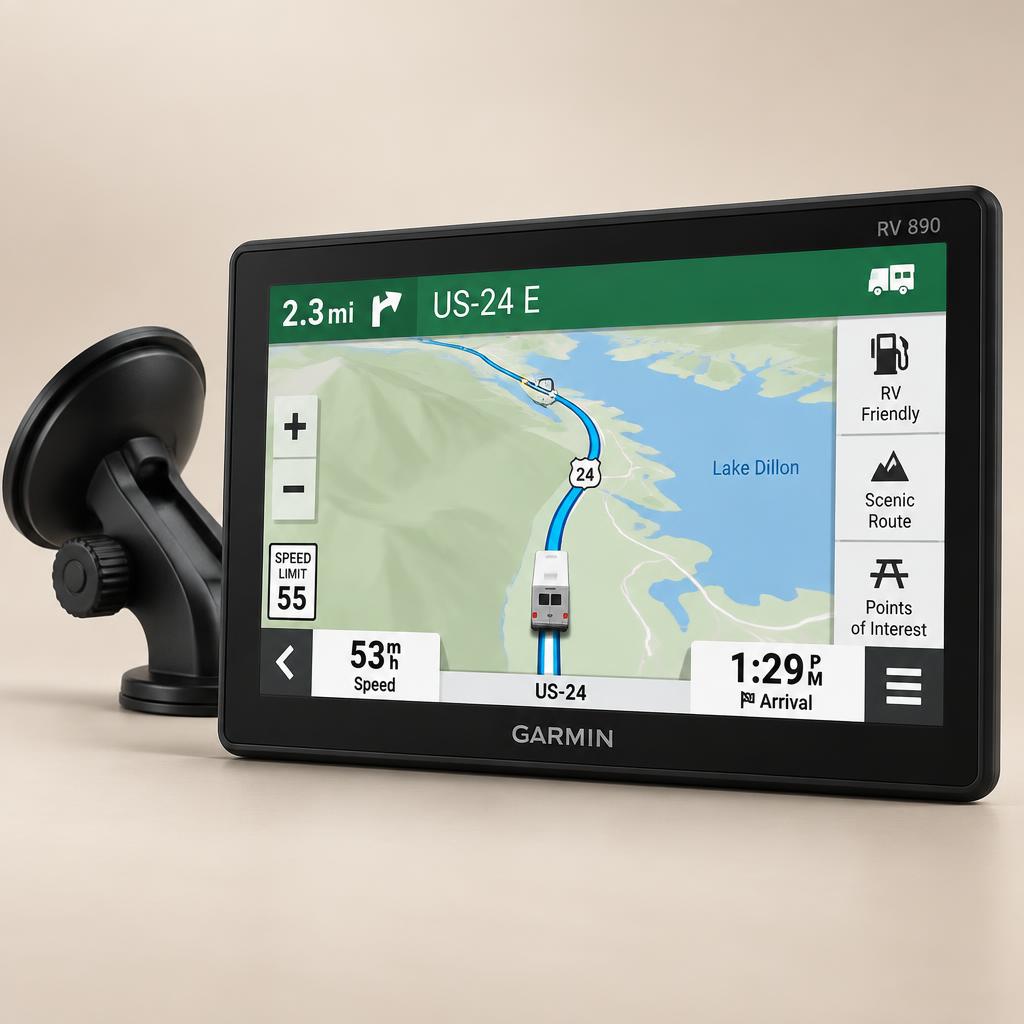 Best for towing safety
Garmin RV 890 GPS Navigator
Routes around low bridges, steep grades and weight-restricted roads using your rig's real height and length.
Key benefits
- Custom RV routing by size and weight
- 8-inch high-resolution touchscreen
- Preloaded street maps with free updates
Pros
- Warns early on grades
- Clear lane guidance
Cons
- Map updates can be slow over Wi-Fi
Affiliate link — we may earn a commission at no cost to you.
 Best for better sleep
MLILY RV Short Queen Mattress
Replaces the factory foam slab most rigs ship with, and fits true RV short-queen dimensions without trimming.
Key benefits
- True 60x75 short queen
- Cooling gel top layer
- Ships compressed through the door
Pros
- Huge upgrade over factory foam
- No off-gassing smell after a day
Cons
- Heavy to maneuver alone
Affiliate link — we may earn a commission at no cost to you.
 Best for campfire nights
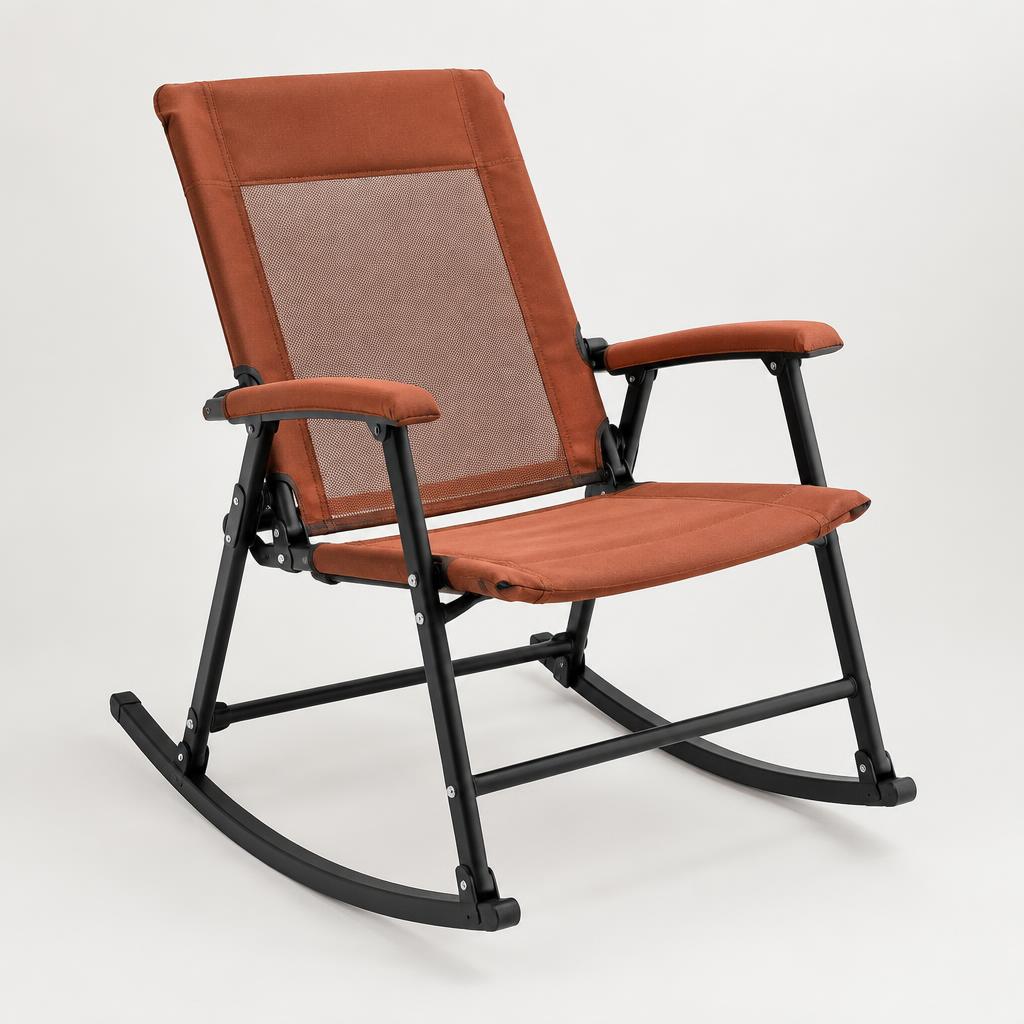
GCI Outdoor Freestyle Rocker
A rocking camp chair that works on grass or gravel, folds flat for storage, and is sturdy enough that parents and kids both end up fighting over it.
Key benefits
- Spring-action rocking on any surface
- Holds up to 250 lbs
- Folds flat for easy packing
Pros
- Rocking works even on uneven ground
- Padded armrests with a drink holder
- Sets up in seconds
Cons
- Heavier than a basic folding chair at about 12 lbs
Affiliate link — we may earn a commission at no cost to you.
Frequently asked questions
Can a midsize SUV tow a travel trailer?
Many can. A midsize SUV rated for 5,000 pounds of towing can comfortably pull a lightweight trailer with a GVWR around 3,500 pounds, provided tongue weight and payload also fit. Always use the loaded trailer weight (GVWR), not the dry weight, when matching a tow vehicle.
What is the lightest travel trailer with bunk beds?
Several bunkhouse floor plans come in under 3,500 pounds GVWR in the 17–20 foot range, including molded fiberglass and aluminum-frame models. The lightest options typically pair a queen bed with a single bunk or convertible bunks.
Do I need a weight-distribution hitch for a small trailer?
For anything over roughly 2,000 pounds, yes — and add sway control. Even lightweight trailers can push a midsize SUV around in wind and truck wakes, and a properly set up weight-distribution hitch with sway control transforms the towing experience.
Are lightweight trailers good for winter camping?
Most lightweight trailers are three-season designs with limited insulation and exposed plumbing. They work for cool-weather camping into the 20s°F with a heated hose and skirting, but families planning regular hard-freeze trips should look for a four-season package or a different class of rig.
Share
Facebook X PinterestGet the free RV planning bundle
Five printable checklists you can download and print right now — no email required.
Free to download, print and share. No spam — just the checklist.
Related reading
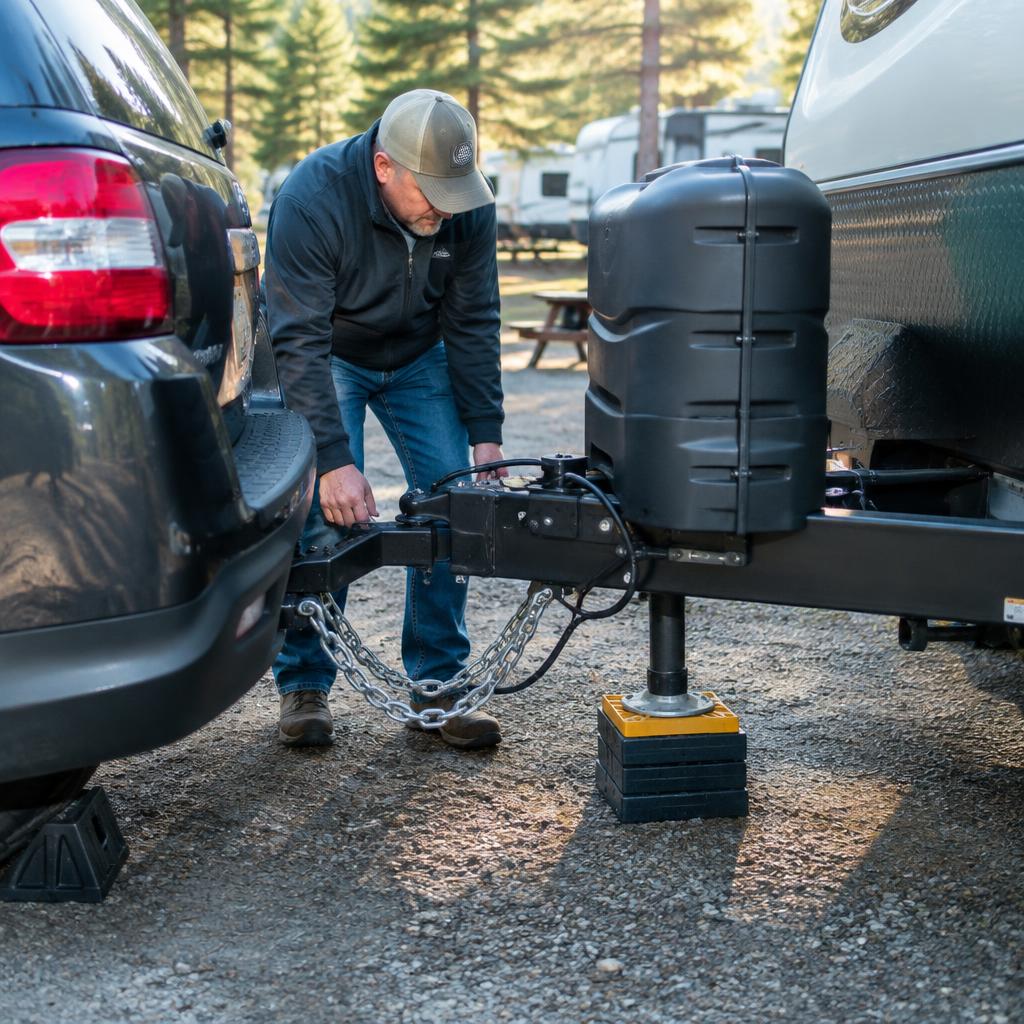
RV Safety for Families: The Rules That Matter Before Every Mile
Nobody hands you a safety manual when you drive off the lot. These are the checks that actually matter — the ones experienced families do every single trip, in the driveway, at every fuel stop, and the moment the rig is parked.
13 min read

The Complete Beginner's Guide to Family RVing
What to know before a first family RV trip: rig choice, campground booking, packing and the routines that keep kids happy on travel days.
14 min read
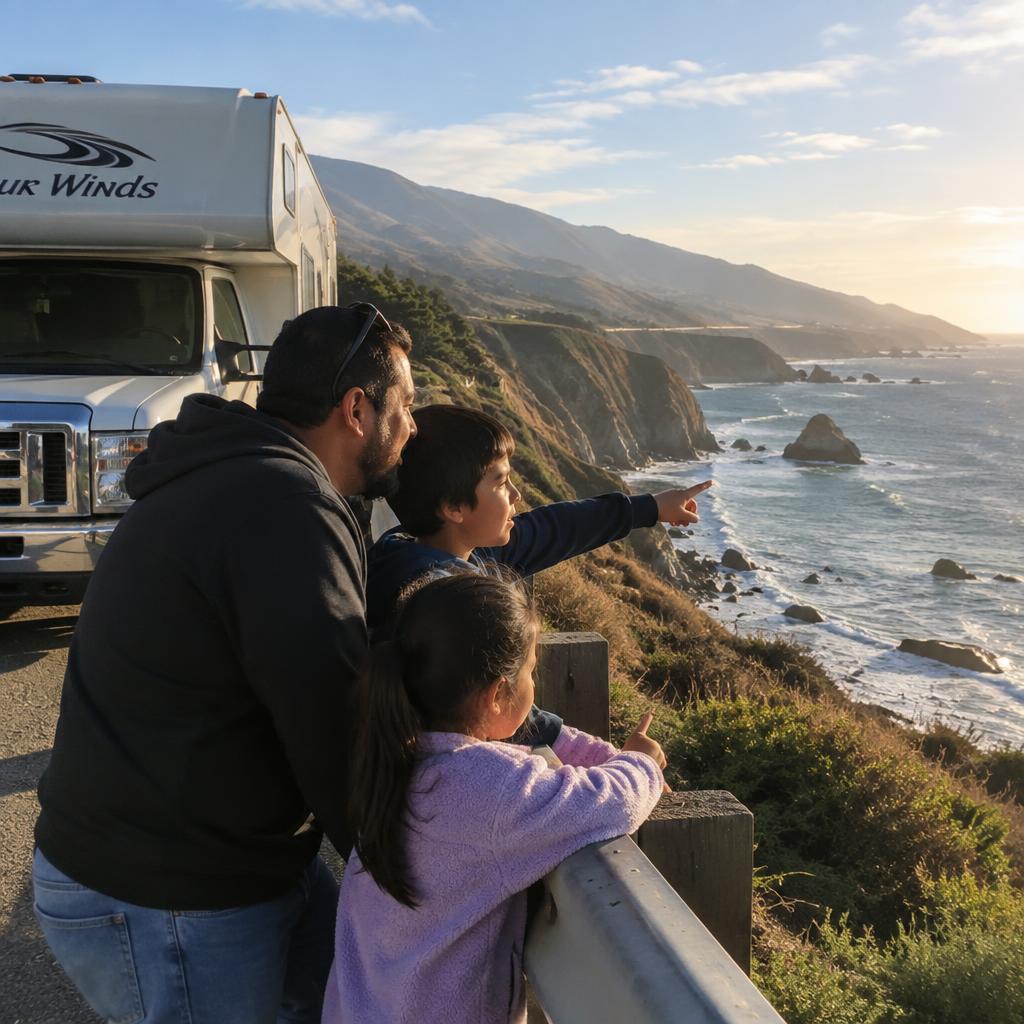
A 7-Day Pacific Coast Highway RV Itinerary the Whole Family Will Love
The Pacific Coast Highway is the most famous drive in America, and one of the trickiest to do in an RV with kids. This seven-day plan keeps drive legs short, books the campgrounds that actually fit rigs, and builds in the stops your kids will talk about for years.
15 min read