How to Save Money While RV Camping
Where the money actually goes on a family RV trip, and the four changes that can cut an average nightly cost nearly in half.
Affiliate disclosure: some links in this article are affiliate links. If you buy through them we may earn a small commission at no extra cost to you. Read the full disclosure.
Know your real cost per night
Want to know what your RV trip actually costs? Add up your campground fees, gas, groceries, propane, and anything you spend on fun along the way. Then divide it by the number of nights you were out. Here's the part that surprised us: the campground usually isn't the biggest expense. It's gas, random snack stops, and eating out that quietly blow up the budget. Before you start looking for cheaper campgrounds, track just one trip—no judgment, just the real numbers. The first week we did this, we were spending $214 a day, but only $58 of that was for the campsite. Once we saw where our money was actually going, the fixes were pretty obvious. And spoiler: none of them involved camping somewhere less awesome.
Drive less, stay longer
The single biggest saving in budget RV travel is reducing travel days. Weekly campground rates are typically 25–40% cheaper per night, and you burn no fuel on the days you stay put.
A rig getting 9 miles per gallon costs roughly $45 in fuel per hundred miles. Cutting one 250-mile travel day out of a two-week trip saves more than a night of camping, and it buys back a whole day of actually being somewhere.
In a hurry? Jump straight to the gear we recommend for this.
Memberships that pay for themselves
Discount camping memberships pay off if you camp more than about twenty nights a year in participating parks. Run the math against your actual itinerary before you buy — most families only need one.
The reliable value picks are a half-price camping club for shoulder-season nights, an annual national parks pass if you will visit three or more parks, and a fuel-discount card if you drive a diesel. Everything beyond that tends to pay for itself only in brochures.
Free and low-cost camping
Dispersed camping on National Forest and BLM land is free, generally capped at 14 days, and requires you to be self-contained. One night of boondocking between destinations turns a travel day into a zero-cost night and is usually quieter than the interstate campground you were headed for.
Also check county and city parks, Army Corps of Engineers lakes ,and state forest campgrounds. Corps campgrounds in particular are frequently waterfront, electric-equipped, and half the price of a private RV resort ten minutes away.
Feed the family from the rig
A simple rotating menu of six dinners the kids already like removes the daily decision that ends in a restaurant. Camp cooking is the highest-leverage budget habit there is.
Shop once a week at a full-size grocery rather than daily at campground stores, keep a breakfast and a lunch that need no cooking for travel days, and budget one restaurant meal per week on purpose so it feels like a treat instead of a failure.
The costs people forget
Insurance, registration, tires, propane, dump fees, laundry and annual maintenance add up to real money spread across the year. Divide your annual fixed costs by the nights you actually camp and add that number to every night's cost — for most weekend families it is $20 to $40 a night before they turn the key.
Camping more nights is the only thing that lowers that figure. It is the rare budget line where the fix is to use the thing more, not less.
Recommended gear for this trip
Everything below is hand-picked for family trips. Affiliate links support the site.
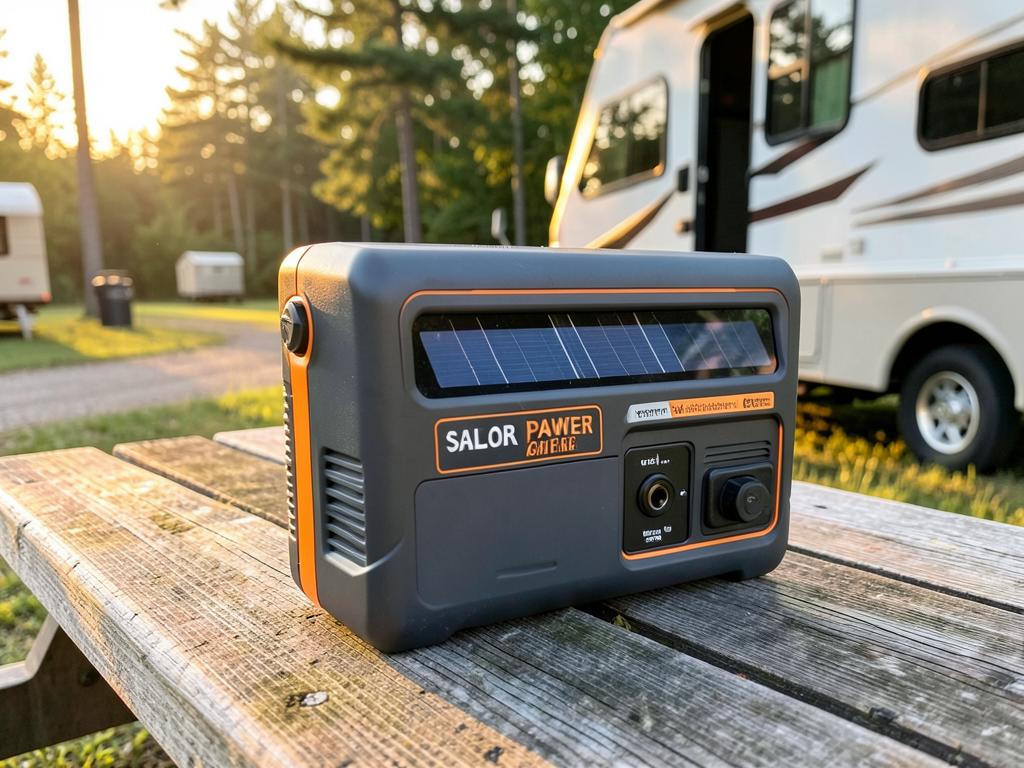 Best for boondocking
Jackery Explorer 1000 v2
A 1,070Wh power station that keeps a 12V fridge, CPAP and kids' tablets running through a long weekend off-grid.
Key benefits
- 1,070Wh LiFePO4 battery rated for 4,000 charge cycles
- 1,500W output (3,000W surge) across three AC outlets
- Recharges from 400W of panels in under 4 hours
Pros
- Silent operation
- Only 23.8 lbs — lightest in its class
- Dual 100W USB-C for laptops
Cons
- Panels sold separately
- Full wall charge takes about 1.7 hours
Affiliate link — we may earn a commission at no cost to you.
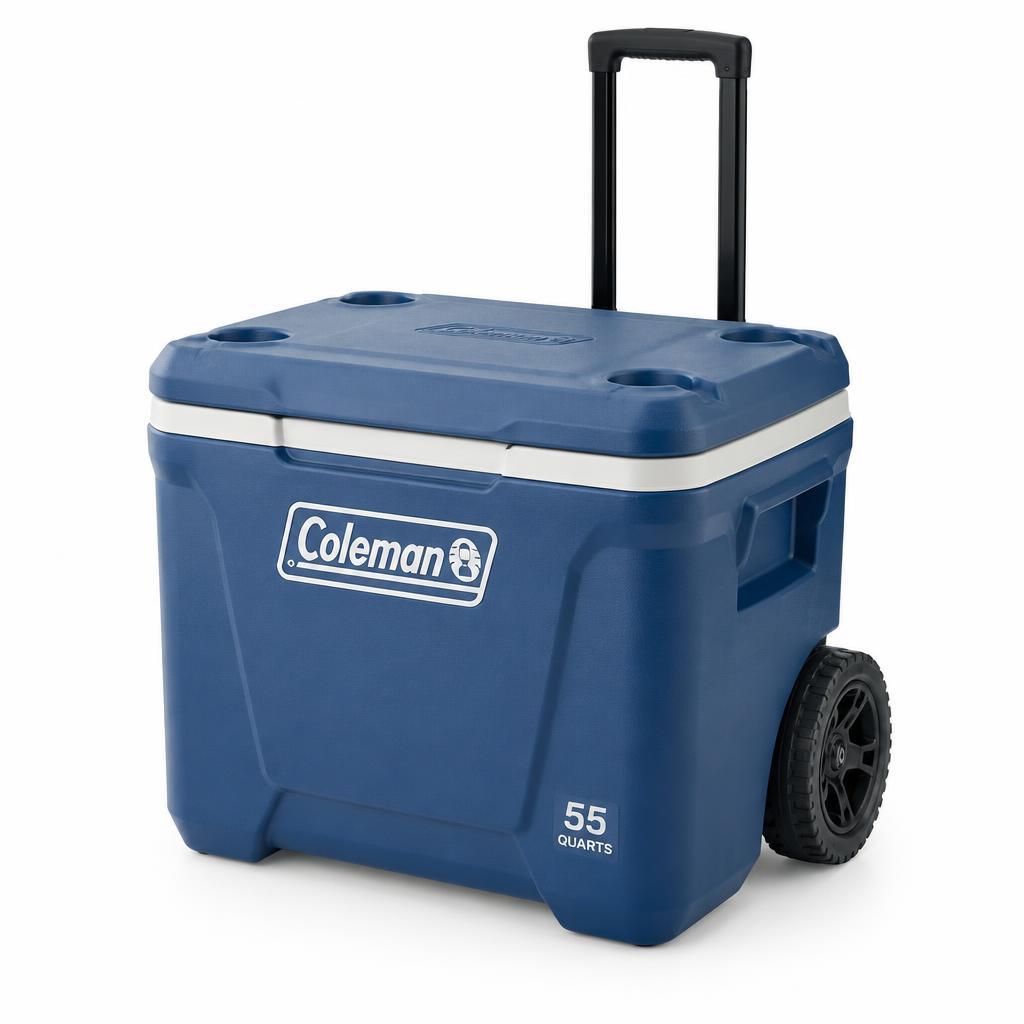 Best for long trips
Coleman 55-Quart Wheeled Cooler
A 55-quart wheeled hard cooler with multi-day ice retention, so you stop restocking the campground store every morning.
Key benefits
- Up to 5 days of ice retention
- Wheels and handle for campsite hauling
- Lid doubles as an extra seat
Pros
- Great value for the size
- Drain plug for easy cleaning
Cons
- Takes up real cargo space
- Holds fewer days than premium rotomolded brands
Affiliate link — we may earn a commission at no cost to you.
Frequently asked questions
Is RV travel cheaper than hotels?
For a family of four staying multiple nights, yes — usually meaningfully cheaper once you factor in cooking your own meals. For one or two nights far from home, flying and staying in hotels can win.
How do I find free RV camping?
Dispersed camping on National Forest and BLM land is free with no hookups, typically limited to 14 days. Always check local fire restrictions and pack out everything.
Share
Facebook X PinterestGet the free RV planning bundle
Five printable checklists you can download and print right now — no email required.
Free to download, print and share. No spam — just the checklist.
Related reading
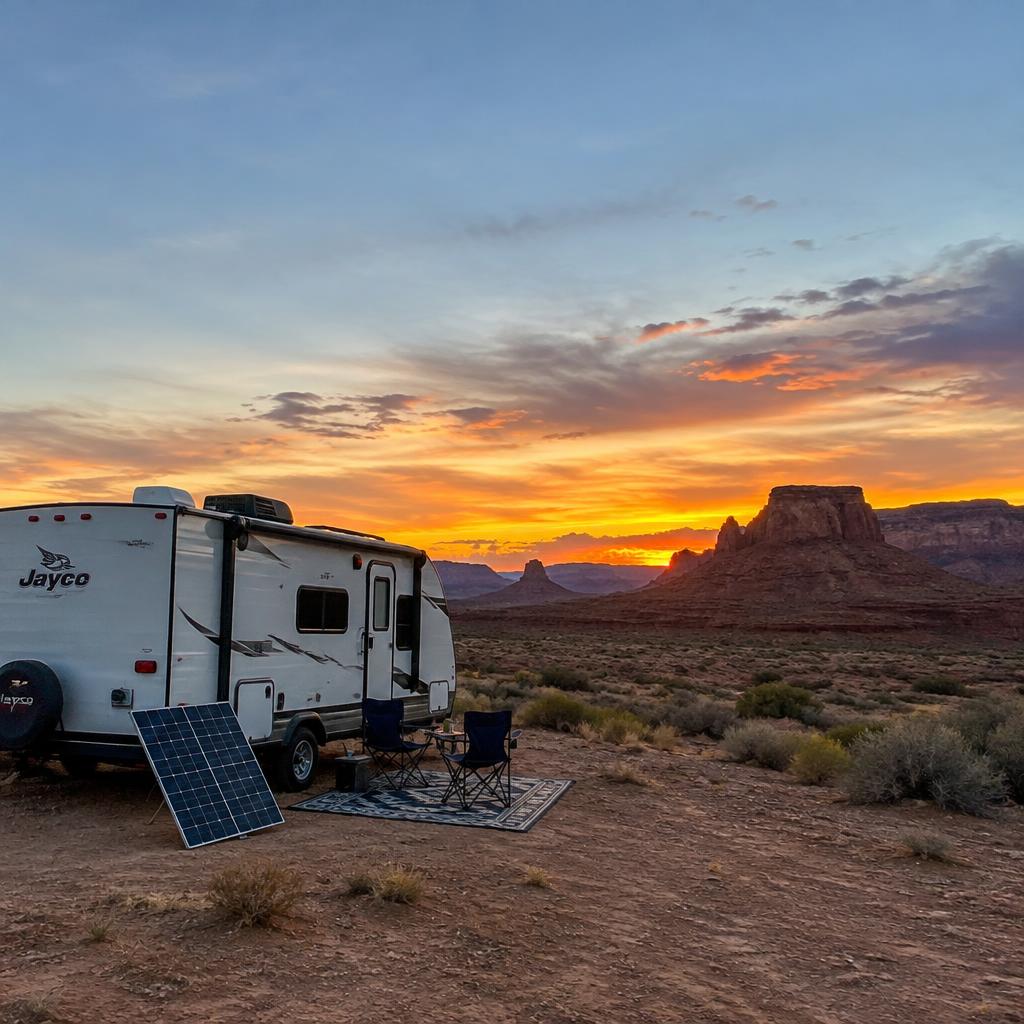
How to Find Free and Cheap Campsites (Without Sacrificing Safety or Sleep)
Campground fees are the biggest line item in most family RV budgets — and the easiest to shrink. Free camping is real, legal and often more beautiful than the $70 resort sites, once you know where to look and how to do it safely with kids.
13 min read

The Complete Beginner's Guide to Family RVing
What to know before a first family RV trip: rig choice, campground booking, packing and the routines that keep kids happy on travel days.
14 min read

Full-Time vs Weekend RVing: Which Fits Your Family?
A side-by-side comparison of cost, schooling, work, rig choice and what each travel style asks of a family over time.
12 min read