Essential RV Accessories Every Family Needs
The short list of RV accessories that earn their storage space, plus the popular ones most families end up leaving at home.
Affiliate disclosure: some links in this article are affiliate links. If you buy through them we may earn a small commission at no extra cost to you. Read the full disclosure.
Water and hookups
A water pressure regulator, a drinking-water safe hose, an inline filter, and a 90-degree hose elbow cost less than one plumbing repair. These four items go in every family RV, in that order of importance.
Add a clear sewer elbow so you can see when the tank actually runs clean, and a hose support if you stay anywhere longer than two nights.
Power and safety
A surge protector with error codes has saved more rigs than any other single accessory. Campground pedestals are wired by whoever was available in 1988, and an open ground or a 140-volt leg will cook a converter in seconds. Buy the model that displays the fault rather than the one that simply refuses to pass power. Knowing which pedestal is bad gets you moved to a working site faster.
Pair it with a tire pressure monitoring system and a small portable air compressor. Tire failure and electrical damage are the two problems most likely to end a family trip early, and both give you warning if you are watching. A TPMS that alarms on a slow leak at 62 mph is worth more than every comfort item in this article combined.
Round out safety with a second fire extinguisher stored outside the rig, a carbon monoxide alarm with a fresh battery, and a basic tool roll: adjustable wrench, socket set, screwdrivers, zip ties, self-amalgamating tape, and a headlamp. Nothing on that list is exciting, and all of it earns its place in a family tool kit.
In a hurry? Jump straight to the gear we recommend for this.
First aid and family safety
A stocked first aid kit is the most-used item in our RV, and it is the one families most often skip. Kids fall off picnic tables, step on fire rings, and find every thorn bush in the campground. Buy a family-sized kit and then rebuild it to fit your crew: children's ibuprofen and antihistamine, plenty of adhesive bandages, blister pads, tweezers, an instant cold pack, antiseptic wipes, and a small bottle of saline for flushing eyes and scrapes.
Check the kit every spring and after every long trip, because medications expire and the good bandages always get used first. Keep it somewhere everyone can reach — not buried under the bunks — and show the kids where it lives. We keep ours in the door cabinet beside the fire extinguisher.
Two more items that earn their space: an emergency weather radio with hand-crank charging, since severe storms and dead cell coverage do show up on the same weekend, and a laminated card with each family member's allergies, medications and your pediatrician's number. Cell service fails exactly when you need it, and a paper copy in the first aid kit means a stranger can help even when your phone cannot.
Camp comfort
Camp chairs, an outdoor rug, string lights, and a folding table turn a gravel pad into a living room. This is the category where family RV travel gets genuinely enjoyable, and where it is easiest to overspend. Buy one good chair per person rather than four cheap ones. The cheap ones fail in a season and you carry the replacements as well as the originals.
An outdoor rug does more work than it looks like it should: it keeps sand and pine needles out of the rig, marks the play area for small kids, and dries fast when hung over the ladder. Add a doormat inside and outside the door and your floor sweeping drops by half.
Lighting matters more than families expect. String lights on the awning, a headlamp per kid, and one bright lantern for the picnic table cover the whole evening. Skip the propane lantern; the kids cannot use it safely and it is one more fuel type to carry.
Kitchen and storage
The RV kitchen rewards nesting and punishes duplicates. One deep skillet, one lidded pot, one sharp knife, a flexible cutting mat and a collapsible colander cover almost every camp meal we cook. Add stackable food containers that double as serving bowls and a dish tub that fits the sink.
For storage, clear bins beat opaque ones and labels beat memory. Weigh anything you add: 200 pounds of nice-to-have gear is 200 pounds of payload you cannot spend on water, and water is what actually makes a boondocking weekend work.
The accessories we stopped carrying
Portable washing machines, oversized grills, three-piece cast iron sets, and inflatable kayaks all sound great and all cost storage. If it has not come out of the bay in three trips, it goes home. We keep a running note on the fridge during each trip and unload against it when we get back.
The other honest cut is redundant electronics. A second cooler, a spare speaker, and a backup tablet each felt reasonable at purchase and none of them changed a single day on the road.
Recommended gear for this trip
Everything below is hand-picked for family trips. Affiliate links support the site.
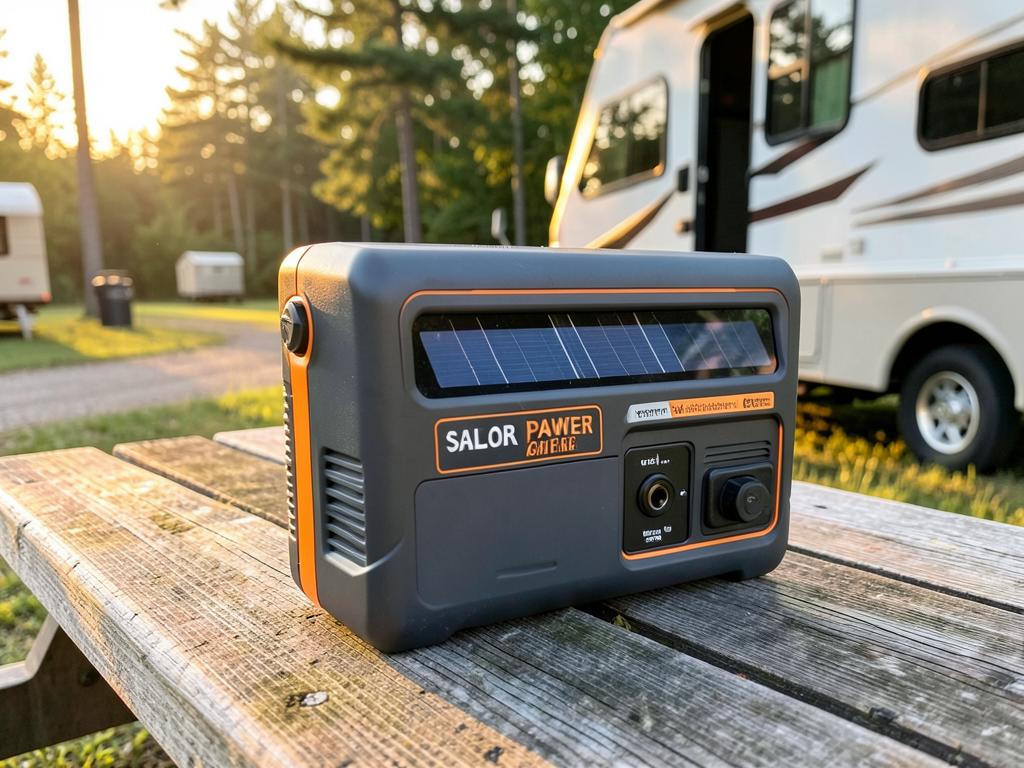 Best for boondocking
Jackery Explorer 1000 v2
A 1,070Wh power station that keeps a 12V fridge, CPAP and kids' tablets running through a long weekend off-grid.
Key benefits
- 1,070Wh LiFePO4 battery rated for 4,000 charge cycles
- 1,500W output (3,000W surge) across three AC outlets
- Recharges from 400W of panels in under 4 hours
Pros
- Silent operation
- Only 23.8 lbs — lightest in its class
- Dual 100W USB-C for laptops
Cons
- Panels sold separately
- Full wall charge takes about 1.7 hours
Affiliate link — we may earn a commission at no cost to you.
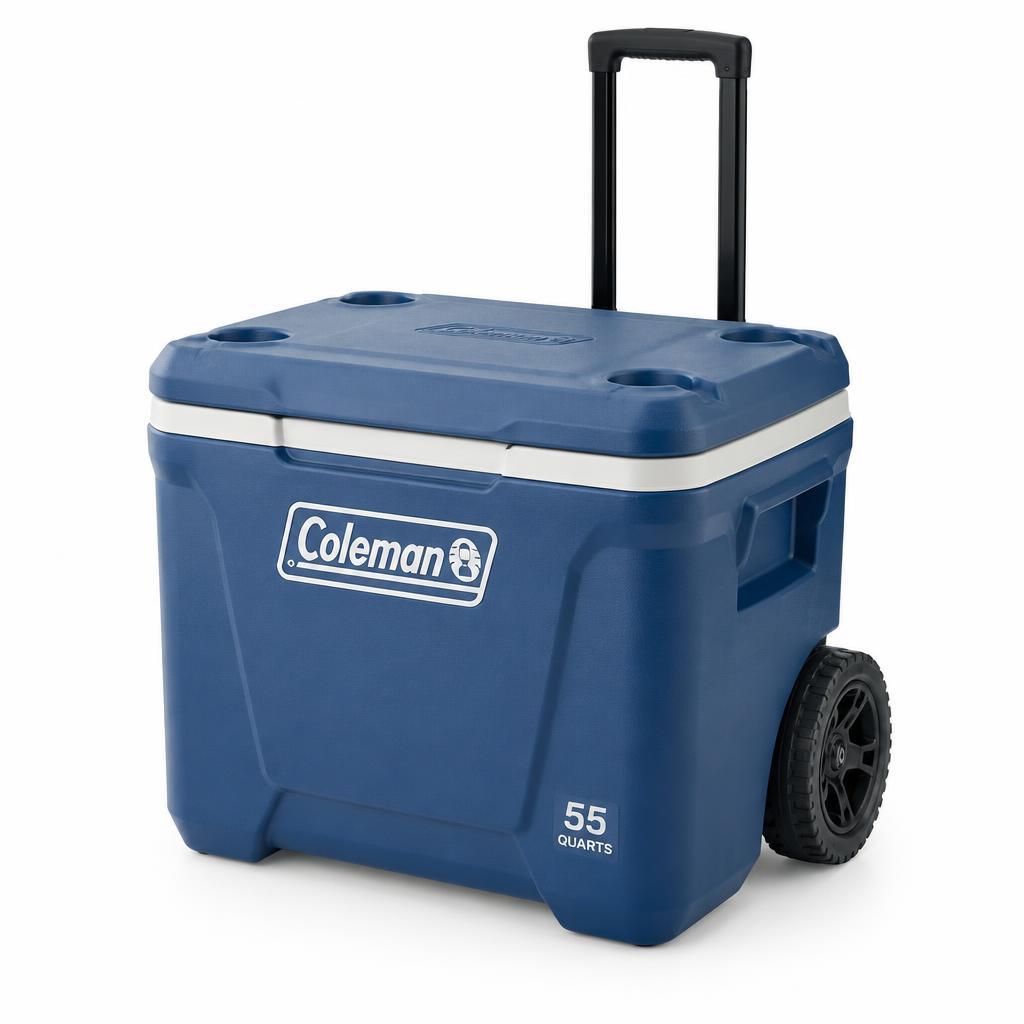 Best for long trips
Coleman 55-Quart Wheeled Cooler
A 55-quart wheeled hard cooler with multi-day ice retention, so you stop restocking the campground store every morning.
Key benefits
- Up to 5 days of ice retention
- Wheels and handle for campsite hauling
- Lid doubles as an extra seat
Pros
- Great value for the size
- Drain plug for easy cleaning
Cons
- Takes up real cargo space
- Holds fewer days than premium rotomolded brands
Affiliate link — we may earn a commission at no cost to you.
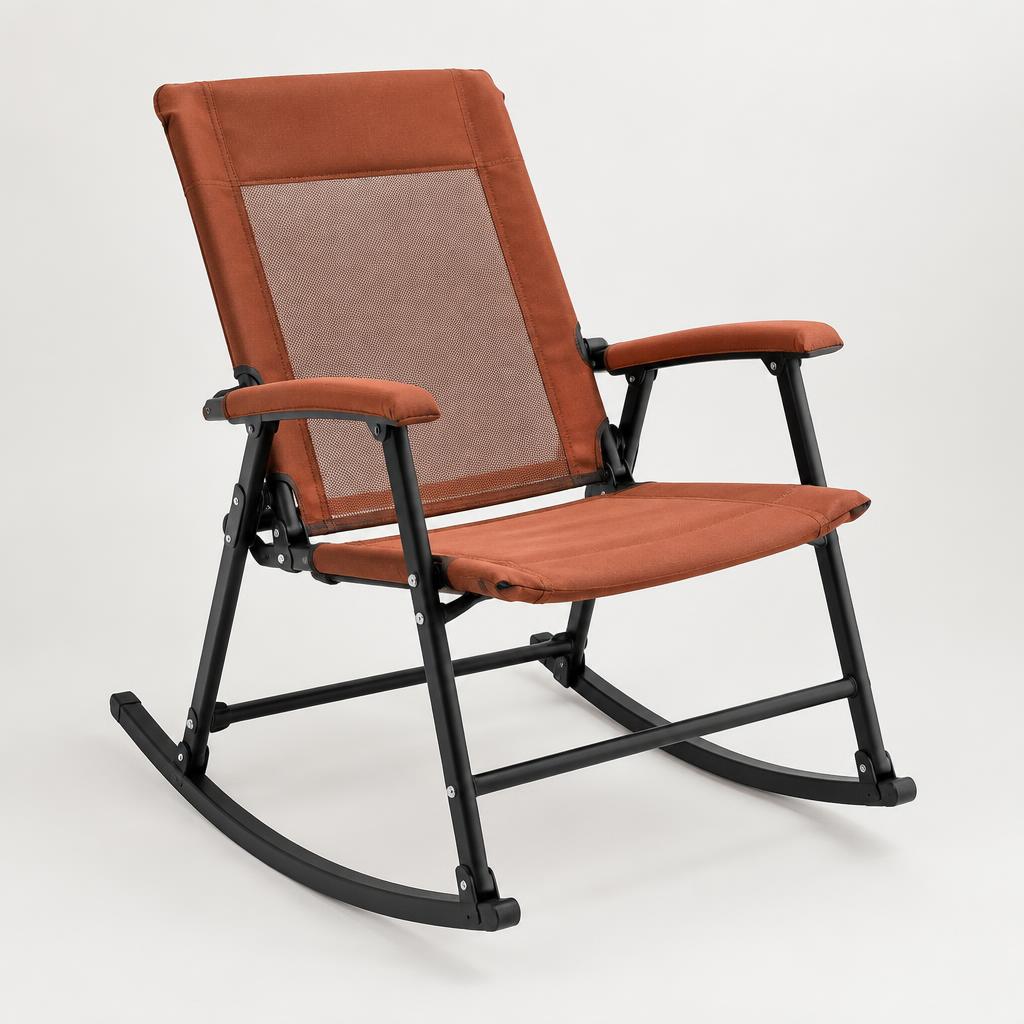 Best for campfire nights
GCI Outdoor Freestyle Rocker
A rocking camp chair that works on grass or gravel, folds flat for storage, and is sturdy enough that parents and kids both end up fighting over it.
Key benefits
- Spring-action rocking on any surface
- Holds up to 250 lbs
- Folds flat for easy packing
Pros
- Rocking works even on uneven ground
- Padded armrests with a drink holder
- Sets up in seconds
Cons
- Heavier than a basic folding chair at about 12 lbs
Affiliate link — we may earn a commission at no cost to you.
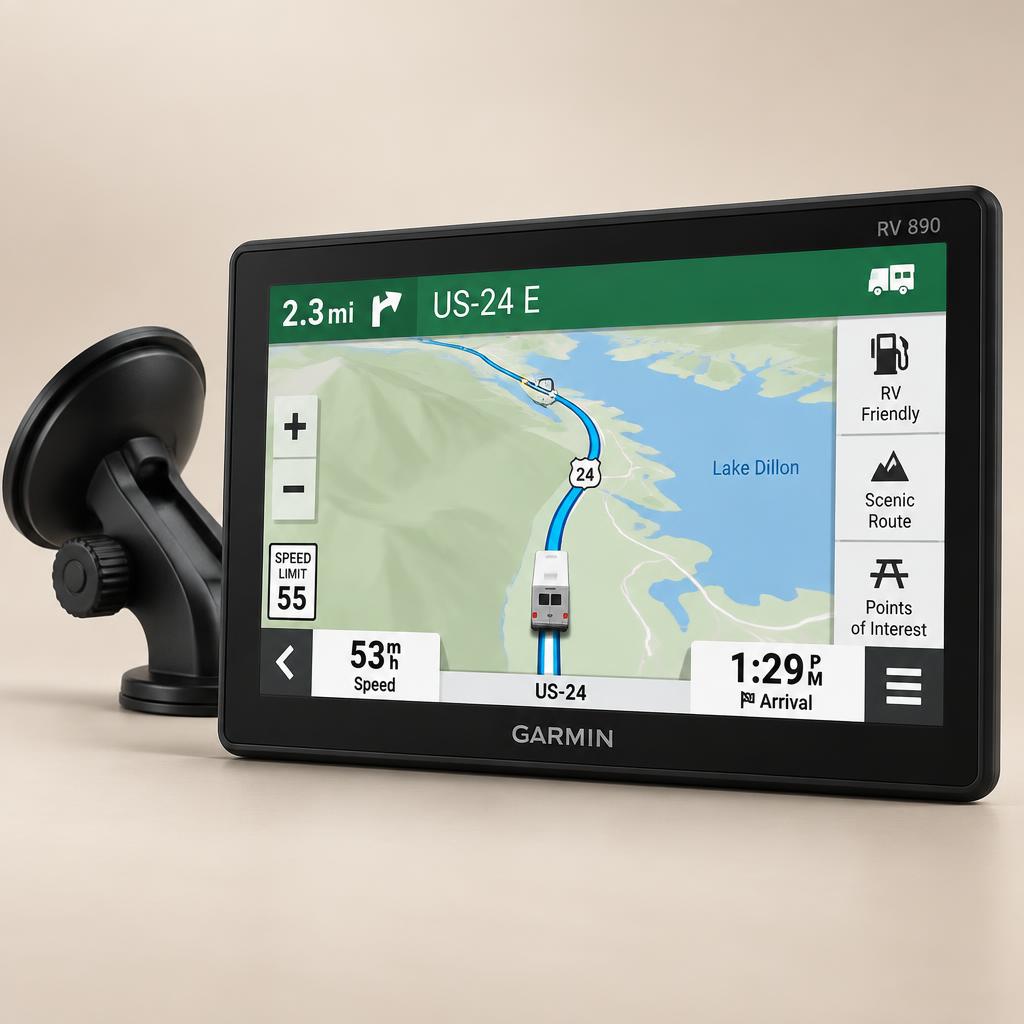 Best for towing safety
Garmin RV 890 GPS Navigator
Routes around low bridges, steep grades and weight-restricted roads using your rig's real height and length.
Key benefits
- Custom RV routing by size and weight
- 8-inch high-resolution touchscreen
- Preloaded street maps with free updates
Pros
- Warns early on grades
- Clear lane guidance
Cons
- Map updates can be slow over Wi-Fi
Affiliate link — we may earn a commission at no cost to you.
Frequently asked questions
What RV accessories should I buy first?
Buy the safety and hookup essentials first: surge protector, water pressure regulator, drinking-water hose, sewer kit, leveling blocks and wheel chocks. Comfort gear can wait until after your shakedown trip.
Are RV starter kits worth it?
Bundled starter kits save a little money but usually include a low-quality sewer hose and a short water hose. Buying the four or five core items individually is generally a better long-term value.
Share
Facebook X PinterestGet the free RV planning bundle
Five printable checklists you can download and print right now — no email required.
Free to download, print and share. No spam — just the checklist.
Related reading
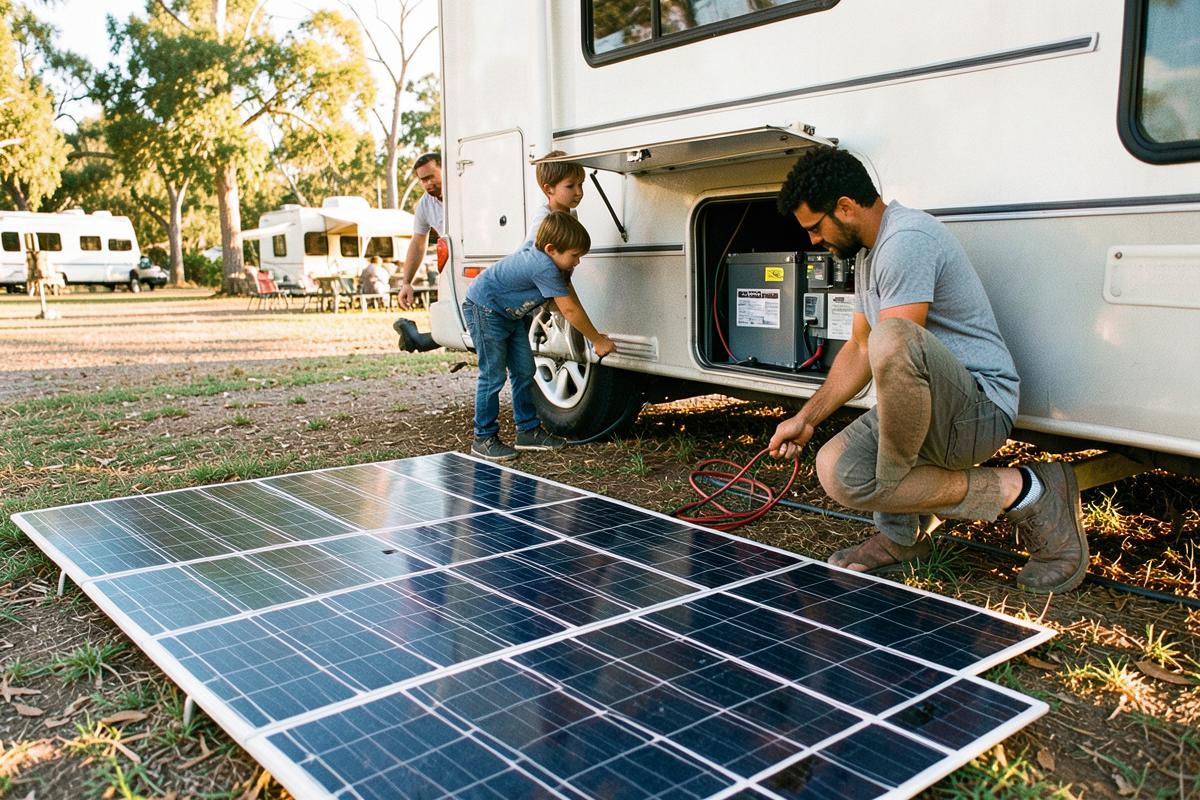
RV Solar and Lithium Setups for Families: A No-Jargon Guide
Solar and lithium batteries changed how our family camps — quiet mornings, cold food and charged devices with no generator. Here is exactly how to size, buy and install a family-friendly system without an engineering degree.
15 min read
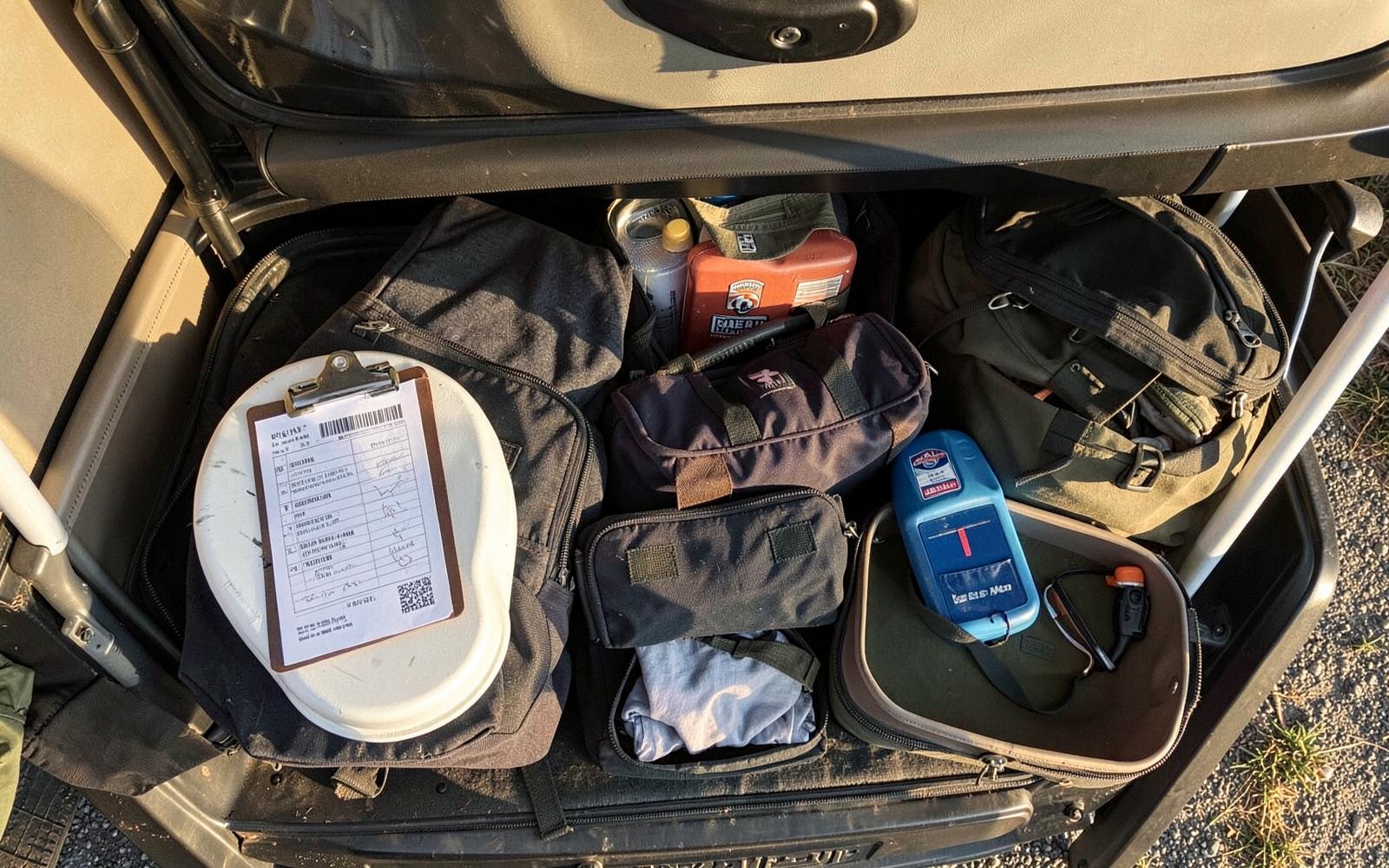
RV Packing Checklist for Families
A complete pre-trip checklist grouped by bay so nothing gets loaded twice and nothing gets left behind.
9 min read
The Complete Beginner's Guide to Family RVing
What to know before a first family RV trip: rig choice, campground booking, packing and the routines that keep kids happy on travel days.
14 min read