How to Find Free and Cheap Campsites (Without Sacrificing Safety or Sleep)
Campground fees are the biggest line item in most family RV budgets — and the easiest to shrink. Free camping is real, legal and often more beautiful than the $70 resort sites, once you know where to look and how to do it safely with kids.
Affiliate disclosure: some links in this article are affiliate links. If you buy through them we may earn a small commission at no extra cost to you. Read the full disclosure.
The free camping landscape, explained simply
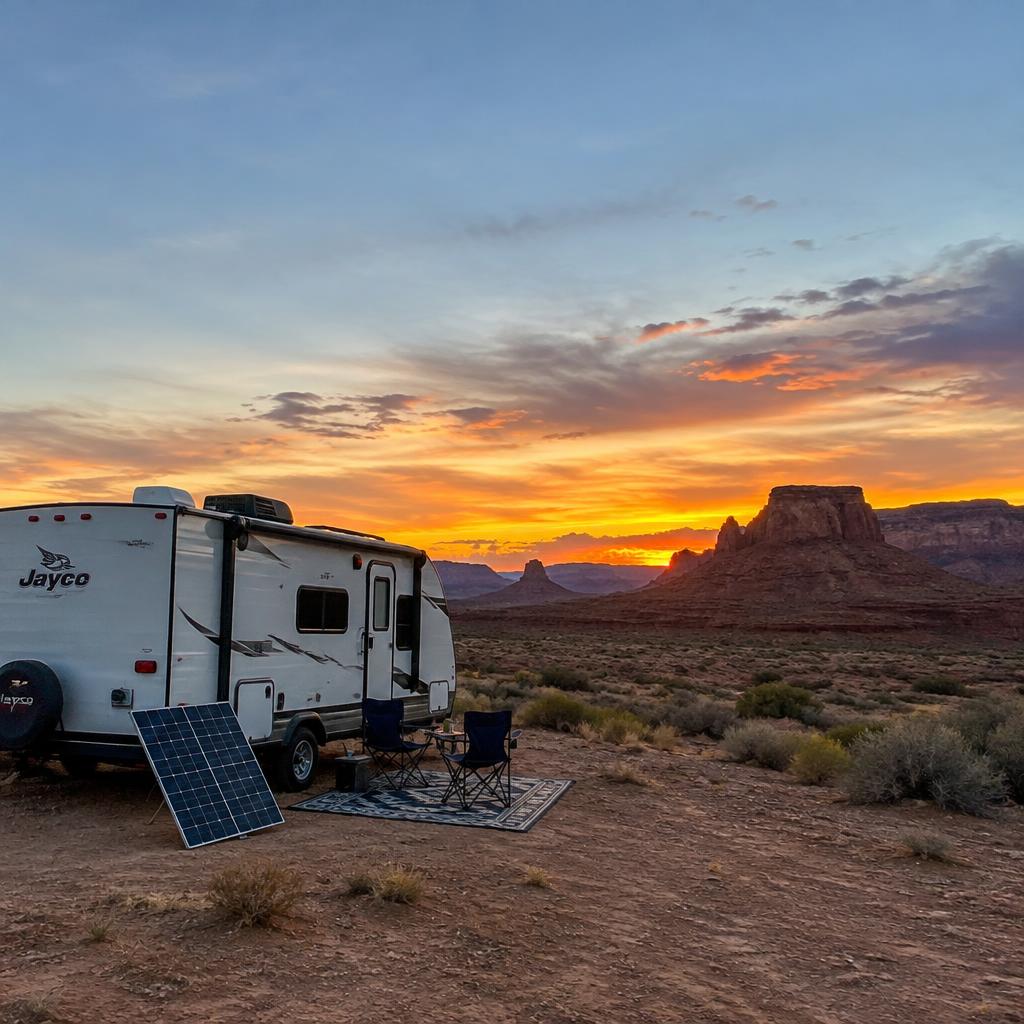
Free camping in the US mostly means public land. The Bureau of Land Management (BLM) manages vast swaths of the West — desert, canyon country, high plains — where dispersed camping is free for up to 14 days. National Forests allow the same on most forest roads. Together they account for millions of acres of legal, free camping, concentrated in exactly the scenic areas families want to visit.
The catch is what is not there: no hookups, no water, no trash service, no bathhouse. You are trading amenities for scenery and price. For a night or two between full-hookup stays, that trade is almost pure profit.
Where to look: the reliable sources
Start with the land-management agencies themselves: BLM field office maps and National Forest motor vehicle use maps show exactly where dispersed camping is legal. These are the source of truth — when a crowdsourced app and a ranger disagree, the ranger wins.
Crowdsourced apps fill in the practical details: which dirt road a 30-foot rig can actually navigate, where the level spots are, and recent reports on crowding and road condition. Read the most recent reviews, not the average rating — conditions change seasonally.
Membership networks are the middle tier: farm, winery and museum hosts offer free or cheap one-night stays on private land. With kids, these are gold — a night parked at a working farm with goats to pet beats a highway-side campground every time.
In a hurry? Jump straight to the gear we recommend for this.
Overnight parking: the honest rules
Some big-box stores, truck stops and rest areas allow overnight RV parking — but policies vary store by store and state by state. Always call ahead or ask the manager, park where the truckers or designated RV area is, and treat it as sleeping, not camping: no slides into traffic lanes, no chairs, no grill, out by morning.
Rest areas are the most misunderstood option. Many states explicitly allow overnight parking (some with time limits), some prohibit it entirely, and the rules are posted at the entrance. When it is allowed, a rest area at 10 p.m. on a long drive day is a legitimate, free, safe-feeling option — you are surrounded by professional drivers doing exactly the same thing.
Boondocking with kids: the systems that matter
Water is the constraint. A family of four uses 30–50 gallons a day with normal habits; boondocking habits (navy showers, paper plates at dinner, a dish basin) stretch a 60-gallon fresh tank to three or four days. Teach kids the routine as a game — they adapt faster than adults.
Power is the comfort. A couple of hundred watts of solar plus a decent battery bank covers lights, fans, device charging and the water pump indefinitely. The furnace, air conditioning and microwave are the heavy draws — plan around them rather than expecting to run them.
The family rhythm that works: boondock two or three nights for the scenery and savings, then book one full-hookup night to dump tanks, refill water, do laundry and take long showers. Alternating keeps everyone fresh and cuts a weekly campground bill by more than half.
Safety and etiquette on open land
Arrive in daylight. Scouting a dispersed site in the dark is how rigs end up stuck in soft sand a mile from the road. Walk the last stretch of any questionable dirt road before driving it, and have a turnaround plan.
Tell someone your plan, camp within cell range when traveling with kids (check the coverage maps), and keep the first-aid kit, water reserve and a full fuel tank as non-negotiables. Free camping is safe — the standard is simply that you are your own campground host.
Leave every site cleaner than you found it. Pack out all trash, use existing fire rings or none at all, respect fire restrictions absolutely, and keep the 200-foot rule from water sources for any grey water. Free camping stays free because the families before you left no trace.
Recommended gear for this trip
Everything below is hand-picked for family trips. Affiliate links support the site.
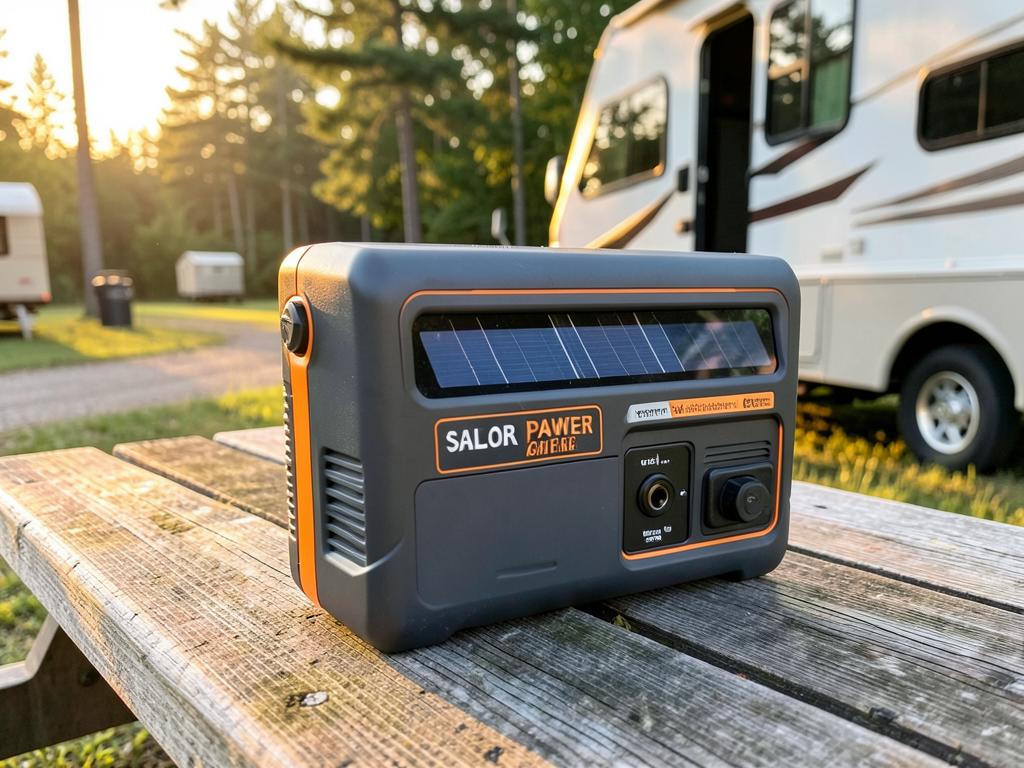 Best for boondocking
Jackery Explorer 1000 v2
A 1,070Wh power station that keeps a 12V fridge, CPAP and kids' tablets running through a long weekend off-grid.
Key benefits
- 1,070Wh LiFePO4 battery rated for 4,000 charge cycles
- 1,500W output (3,000W surge) across three AC outlets
- Recharges from 400W of panels in under 4 hours
Pros
- Silent operation
- Only 23.8 lbs — lightest in its class
- Dual 100W USB-C for laptops
Cons
- Panels sold separately
- Full wall charge takes about 1.7 hours
Affiliate link — we may earn a commission at no cost to you.
 Best for towing safety
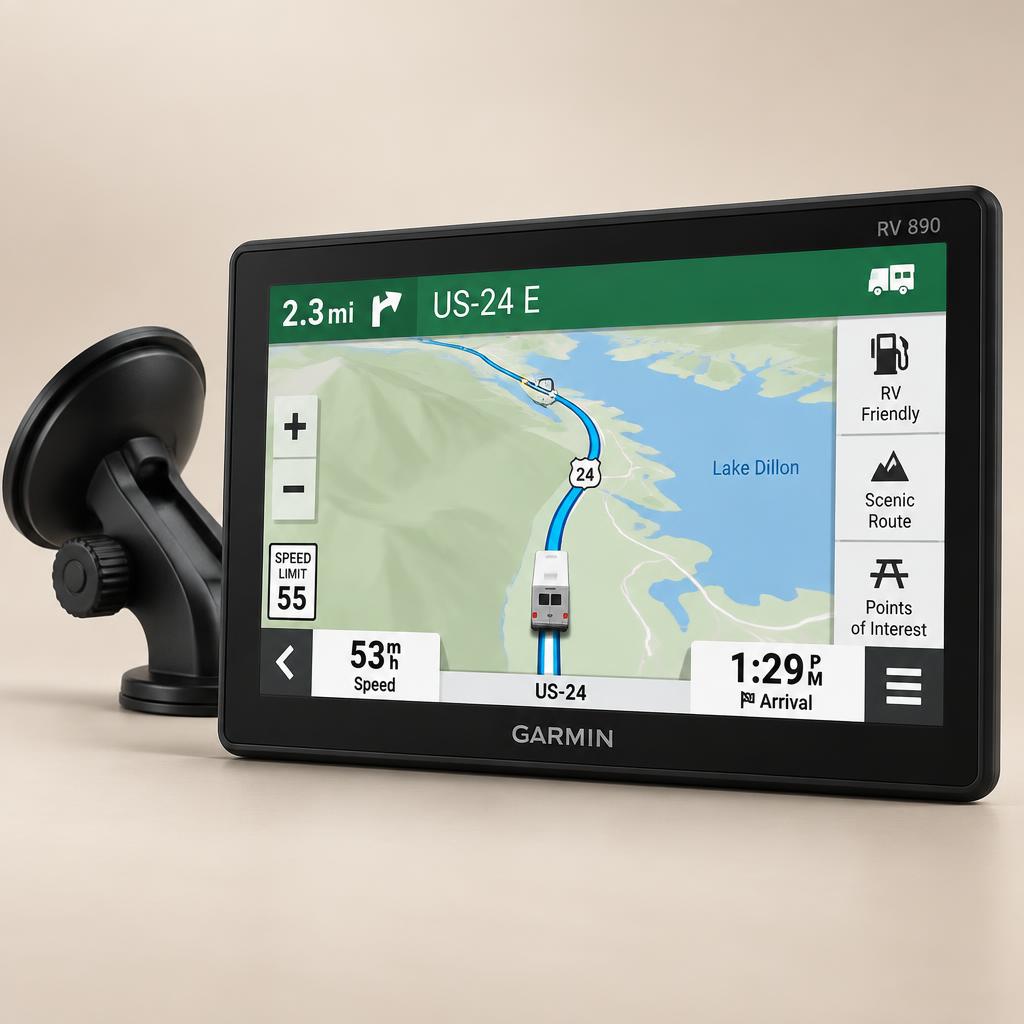
Garmin RV 890 GPS Navigator
Routes around low bridges, steep grades and weight-restricted roads using your rig's real height and length.
Key benefits
- Custom RV routing by size and weight
- 8-inch high-resolution touchscreen
- Preloaded street maps with free updates
Pros
- Warns early on grades
- Clear lane guidance
Cons
- Map updates can be slow over Wi-Fi
Affiliate link — we may earn a commission at no cost to you.
 Best for long trips
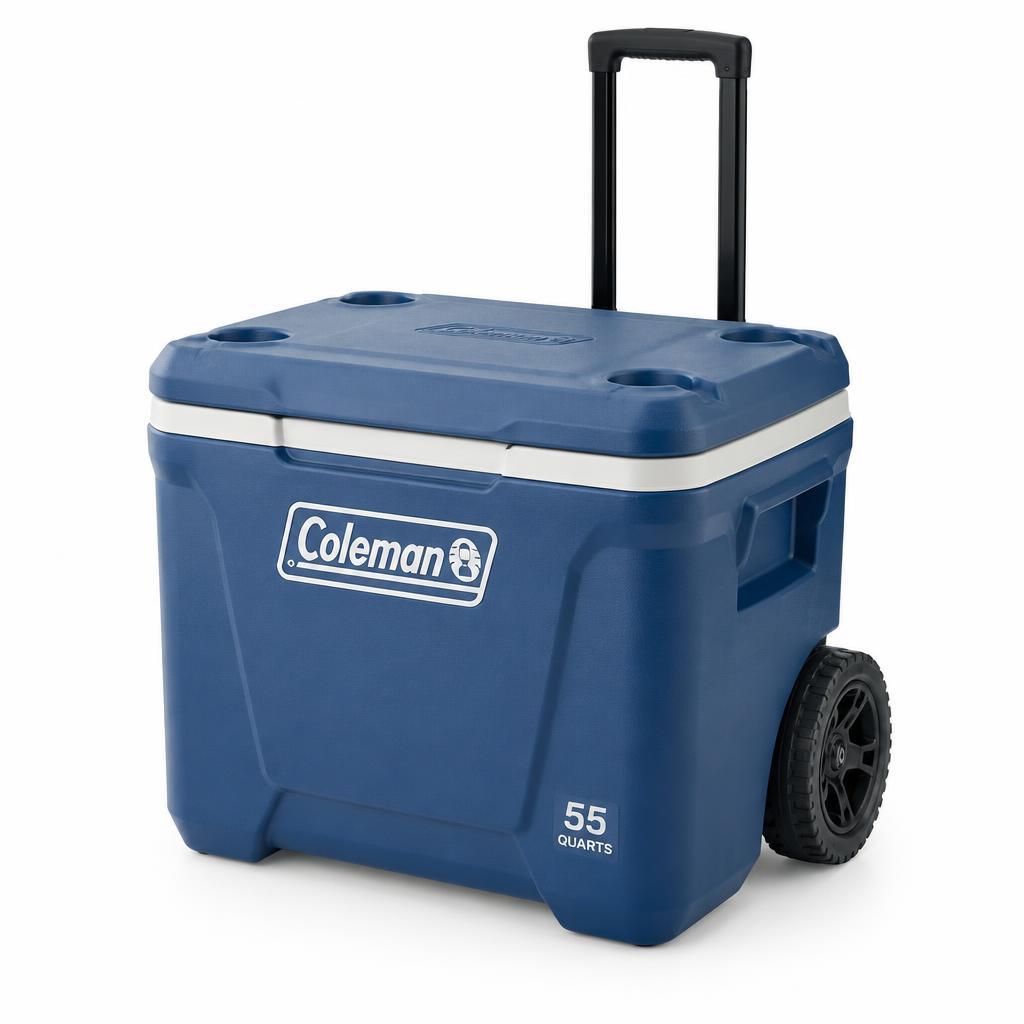
Coleman 55-Quart Wheeled Cooler
A 55-quart wheeled hard cooler with multi-day ice retention, so you stop restocking the campground store every morning.
Key benefits
- Up to 5 days of ice retention
- Wheels and handle for campsite hauling
- Lid doubles as an extra seat
Pros
- Great value for the size
- Drain plug for easy cleaning
Cons
- Takes up real cargo space
- Holds fewer days than premium rotomolded brands
Affiliate link — we may earn a commission at no cost to you.
Frequently asked questions
Is boondocking safe for families with kids?
Yes, with the same common sense you would use anywhere: arrive in daylight, camp within cell coverage, tell someone your location, and carry water and a first-aid kit. Most dispersed areas are quiet and welcoming, and popular spots often have other families nearby.
How long can you camp for free on BLM land?
Typically 14 days within a 28-day period in one area, though exact limits vary by field office. National Forests have similar 14-day limits. Check the local ranger district page for the specific rules where you plan to camp.
Can you really park overnight at Walmart for free?
Sometimes — it is decided store by store, not nationally. Always call the specific store and ask the manager, park at the edge of the lot as directed, and treat it as an overnight sleep stop, not a campsite. Many towns now prohibit it by ordinance, so the phone call is essential.
What do you need to boondock for the first time?
A full fresh water tank, charged batteries (or a small solar setup), full propane, a full fuel tank, paper plates to stretch the water, and a plan for where you will dump tanks and refill afterward. Start with one or two nights within an hour of a full-hookup campground as your safety net.
Share
Facebook X PinterestGet the free RV planning bundle
Five printable checklists you can download and print right now — no email required.
Free to download, print and share. No spam — just the checklist.
Related reading
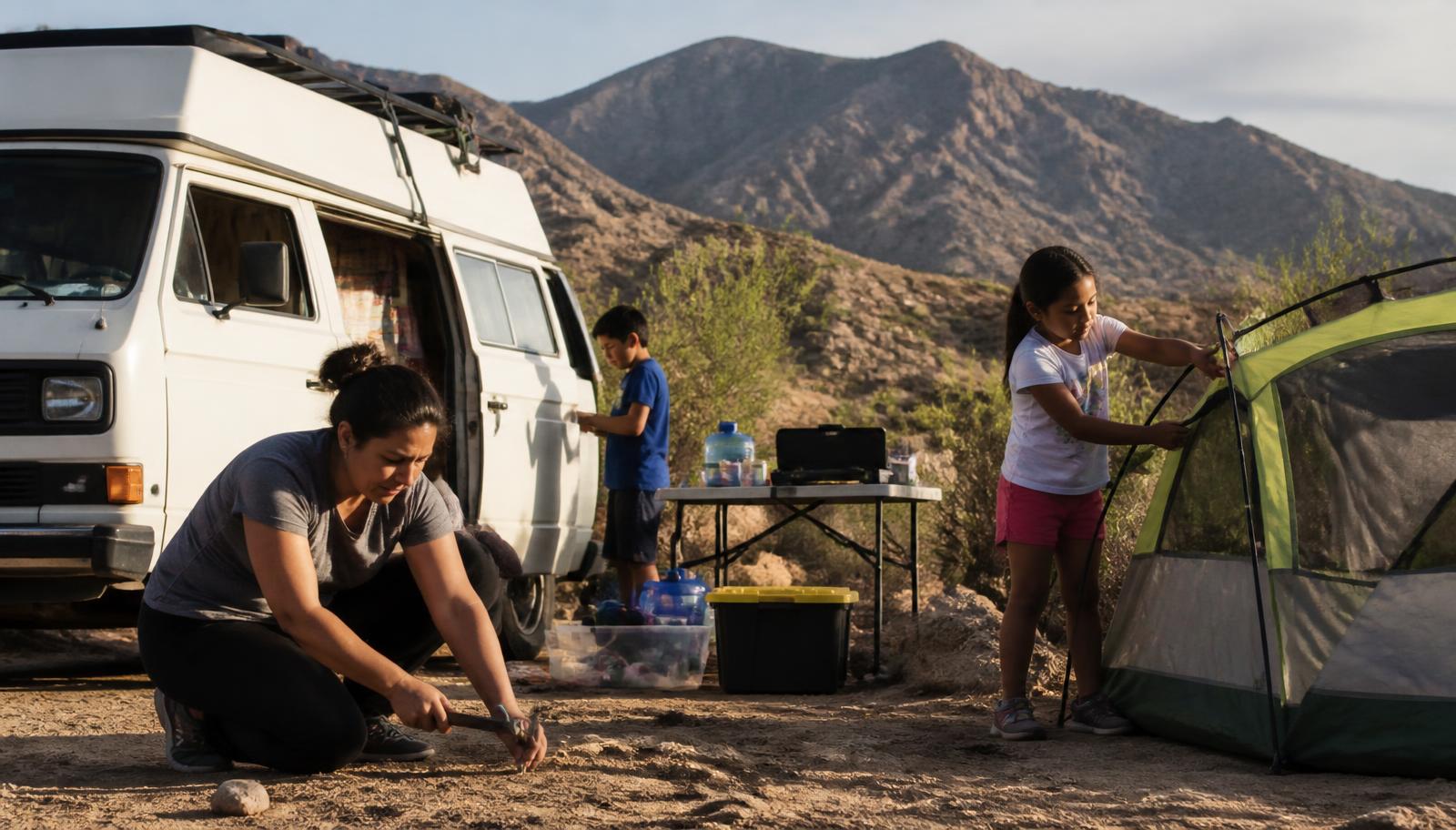
How to Save Money While RV Camping
Where the money actually goes on a family RV trip, and the four changes that can cut an average nightly cost nearly in half.
11 min read
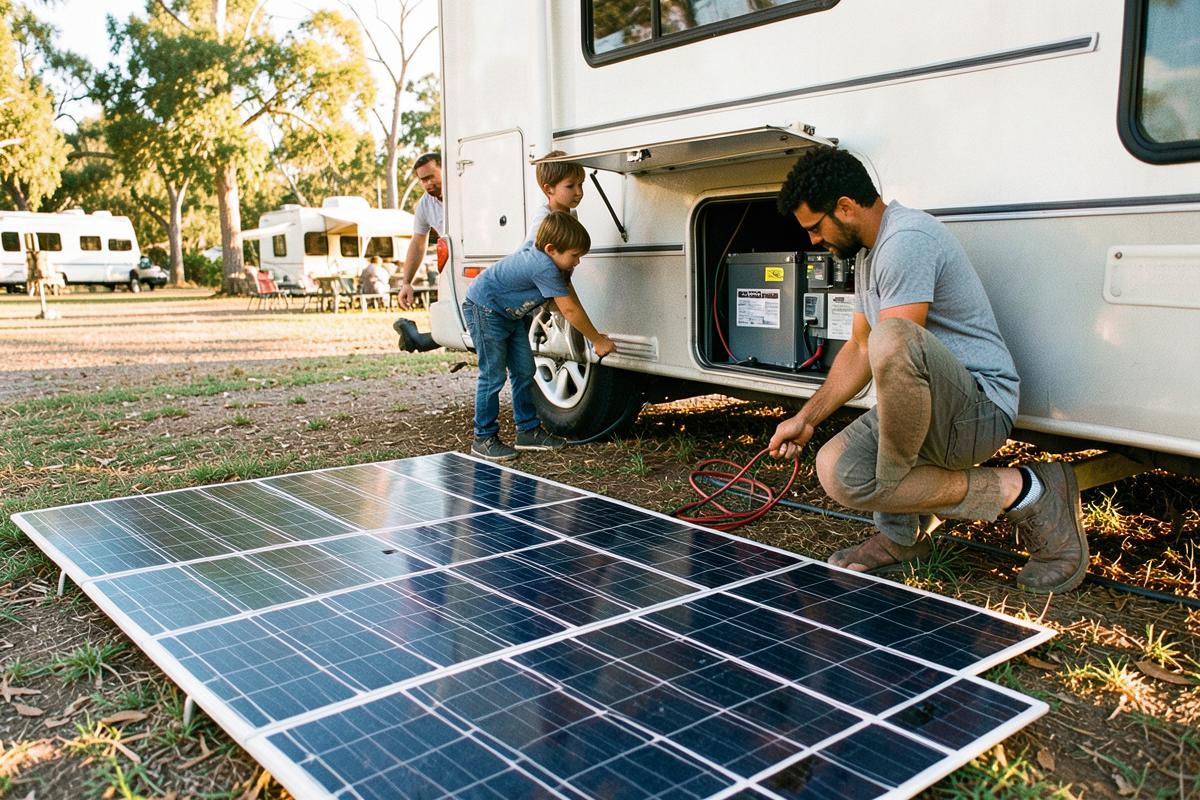
RV Solar and Lithium Setups for Families: A No-Jargon Guide
Solar and lithium batteries changed how our family camps — quiet mornings, cold food and charged devices with no generator. Here is exactly how to size, buy and install a family-friendly system without an engineering degree.
15 min read
The Complete Beginner's Guide to Family RVing
What to know before a first family RV trip: rig choice, campground booking, packing and the routines that keep kids happy on travel days.
14 min read