A 7-Day Pacific Coast Highway RV Itinerary the Whole Family Will Love
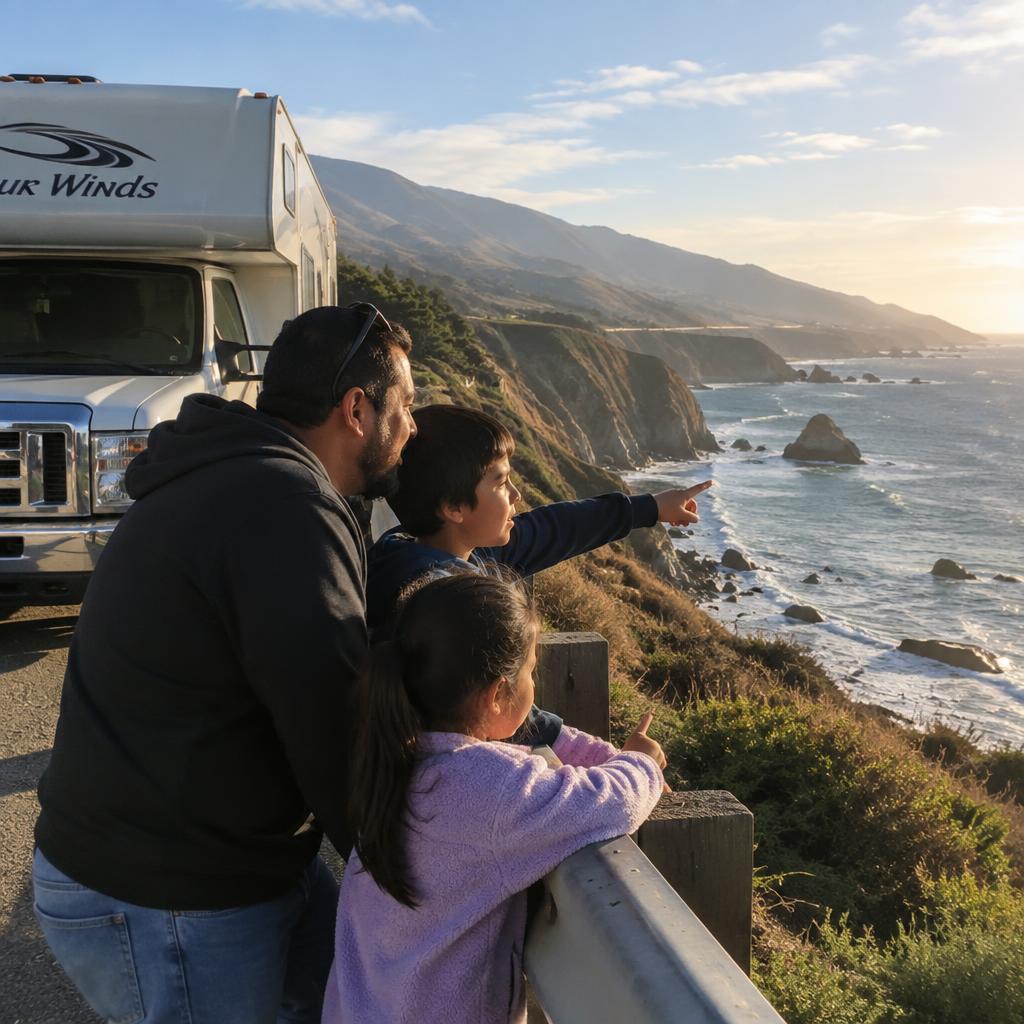
The Pacific Coast Highway is the most famous drive in America, and one of the trickiest to do in an RV with kids. This seven-day plan keeps drive legs short, books the campgrounds that actually fit rigs, and builds in the stops your kids will talk about for years.
Affiliate disclosure: some links in this article are affiliate links. If you buy through them we may earn a small commission at no extra cost to you. Read the full disclosure.
Before you go: RV rules for Highway 1
Highway 1 is spectacular and narrow. South of Carmel through Big Sur, the road is legal for RVs but demands slow, patient driving. Plan on averaging 30 miles per hour and use every turnout to let traffic pass. Slide-outs and length matter here: rigs under 30 feet have a much easier time with pullouts, fuel stops and campground access.
Book campgrounds early. California state park coastal sites open six months out and the good ones sell within minutes on release day. Have backup dates and a backup private park for every leg, especially June through September.
Check road status the week before you leave. Big Sur closes regularly for slide repairs, sometimes for months. Have the inland Highway 101 bypass in your back pocket so a closure reroutes one day instead of canceling the trip.
Day 1: San Francisco to Half Moon Bay (40 miles)
Start slow on purpose. Leaving San Francisco after morning rush, you will reach Half Moon Bay by lunch with time to walk the coastal trail, watch the surf at Mavericks from the bluffs, and let the kids decompress from travel day. Half Moon Bay State Beach campground sits right on the sand and takes RVs. Book the sites facing the water if you can.
Keep the first day deliberately short. Everyone is learning the rhythm of the rig, and arriving at camp by mid-afternoon with energy left for the beach sets the tone for the whole week.
In a hurry? Jump straight to the gear we recommend for this.
Day 2: Half Moon Bay to Santa Cruz (50 miles)
An easy coastal morning rolls you into Santa Cruz by early afternoon. The Beach Boardwalk is the obvious kid stop — ride the Giant Dipper, share a funnel cake, and budget two to three hours. The Monterey Bay is calm here and the municipal wharf is a good leg-stretch.
Camp at New Brighton State Beach on the bluffs above the water in Capitola. Sites are shaded, the walk down to the beach is short, and you are five minutes from tacos and ice cream in the village. It is one of the best family campground setups on the whole route.
Day 3: Santa Cruz to Monterey and Carmel (45 miles)
Give the Monterey Bay Aquarium most of the day. It is genuinely one of the best aquariums in the world, and the sea otter exhibit alone is worth the admission. Arrive at opening, eat lunch at the aquarium cafe with the bay view, and walk Cannery Row afterward.
Camp in the Monterey area (Veterans Memorial Park is a budget-friendly in-town option) or push fifteen minutes south to the Carmel River area for a quieter night. Either way, you are staged for the Big Sur day tomorrow, which is the one you want to start rested and early.
Day 4: Big Sur — Monterey to San Simeon (95 slow miles)
This is the day you came for, and it takes all day. Leave by 8 a.m. Stop at Bixby Bridge (photograph from the north turnout), walk the short trail at Pfeiffer Big Sur State Park, and hunt for purple sand at Pfeiffer Beach. Note the narrow two-mile access road is not RV-friendly, so park the rig and take turns driving down in the tow vehicle if you have one, or skip it with a smile.
South of Big Sur village, watch for elephant seals at the Piedras Blancas rookery near San Simeon — hundreds of them, free, right off the highway, and kids are mesmerized. Camp at San Simeon State Park or one of the Hearst San Simeon area campgrounds. Fill fuel in Monterey and again at Morro Bay; Big Sur fuel prices are eye-watering.
Day 5: San Simeon to Pismo Beach (65 miles)
Tour Hearst Castle in the morning if your crew handles guided tours well. The grand rooms tour runs about 70 minutes and works for ages six and up. Otherwise, sleep in, walk the San Simeon pier, and take the slow road through Cayucos for brown butter cookies at the famous cookie company shop.
Pismo Beach is the rare California beach where vehicles are allowed on the sand, and the kids will never forget watching trucks drive past the campground. Oceano Dunes area camping fills fast; the private RV parks in town are the reliable fallback and put you walking distance from the pier and clam chowder.
Day 6: Pismo Beach to Santa Barbara (95 miles)
Highway 101 takes over here and the driving gets easier — wider lanes, gentler curves, real fuel stops. Break up the drive at Solvang, the Danish village twenty minutes inland, for aebleskiver and a leg-stretch that feels like a theme park without lines.
In Santa Barbara, walk Stearns Wharf, hit the beach at East Beach, and let everyone clean up at a full-hookup park — you have earned showers and laundry by day six. Carpinteria State Beach, just south, is the family favorite: gentle surf, tide pools, and sites steps from the sand.
Day 7: Santa Barbara to Malibu and Los Angeles (95 miles)
The final leg trades wild coastline for beach towns. Stop in Ventura for breakfast, pull off at any Malibu beach that catches your eye (Zuma is the easy RV-friendly choice with big parking), and finish wherever your trip ends — a last campground night near the beach, or a hotel splurge and a rig drop-off.
Build the last day loose. A week of moving every morning is plenty for kids, and an unplanned hour on a Malibu beach beats another scheduled attraction. That is the real lesson of this route: Highway 1 rewards the families who drive it slowly.
Recommended gear for this trip
Everything below is hand-picked for family trips. Affiliate links support the site.
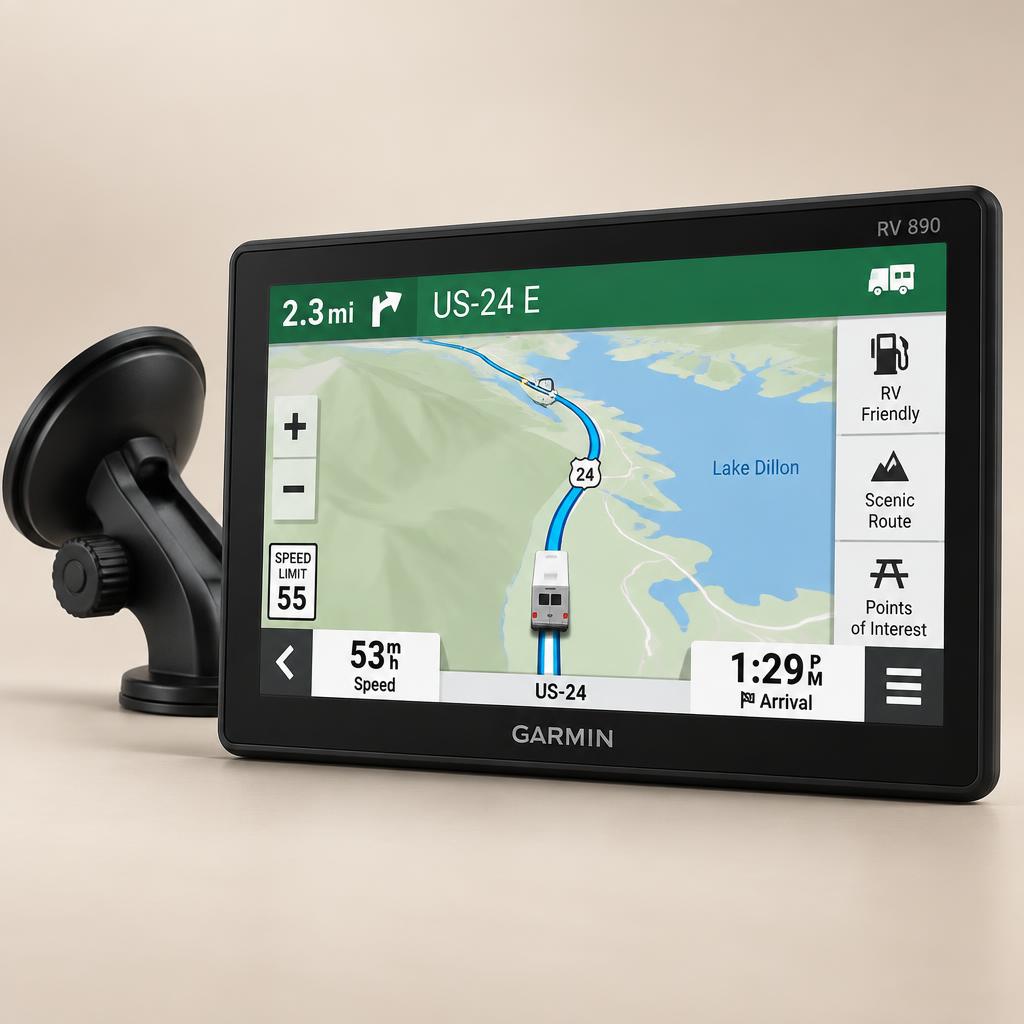 Best for towing safety
Garmin RV 890 GPS Navigator
Routes around low bridges, steep grades and weight-restricted roads using your rig's real height and length.
Key benefits
- Custom RV routing by size and weight
- 8-inch high-resolution touchscreen
- Preloaded street maps with free updates
Pros
- Warns early on grades
- Clear lane guidance
Cons
- Map updates can be slow over Wi-Fi
Affiliate link — we may earn a commission at no cost to you.
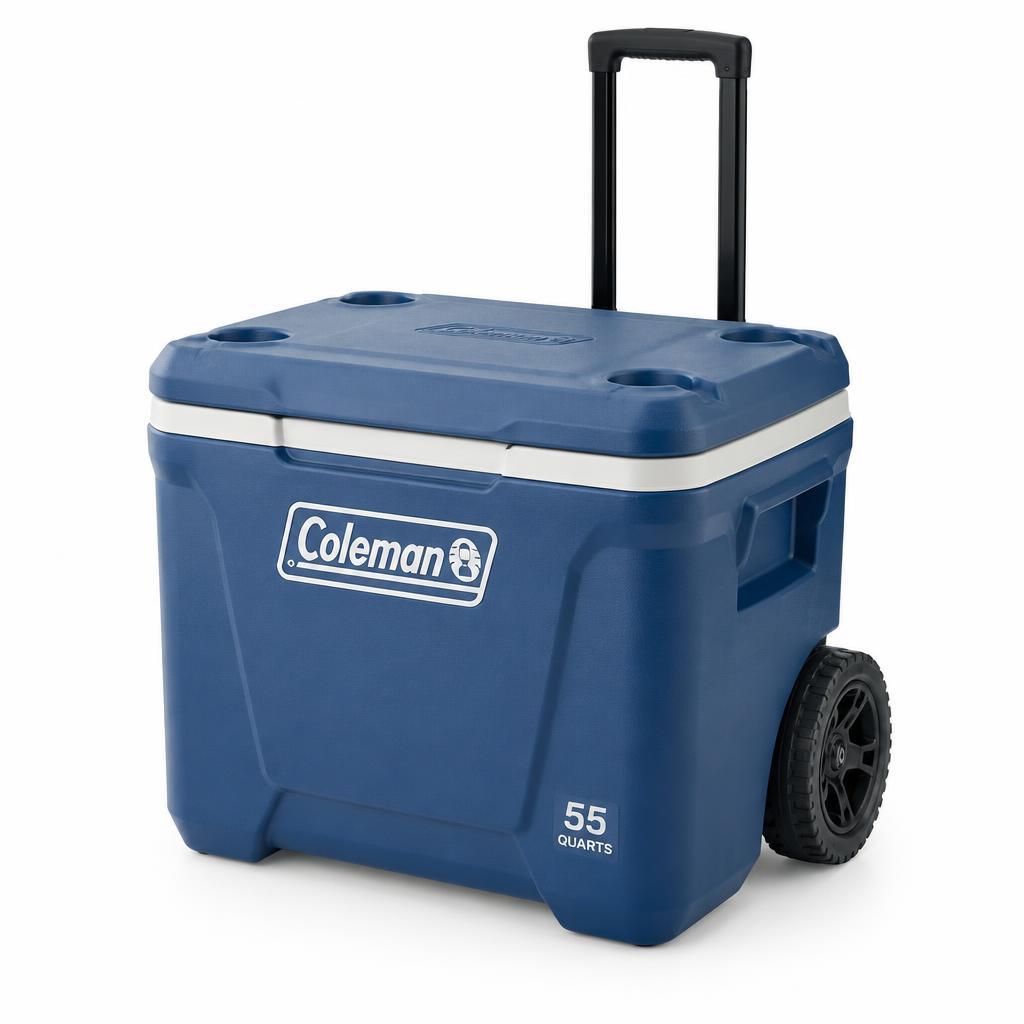 Best for long trips
Coleman 55-Quart Wheeled Cooler
A 55-quart wheeled hard cooler with multi-day ice retention, so you stop restocking the campground store every morning.
Key benefits
- Up to 5 days of ice retention
- Wheels and handle for campsite hauling
- Lid doubles as an extra seat
Pros
- Great value for the size
- Drain plug for easy cleaning
Cons
- Takes up real cargo space
- Holds fewer days than premium rotomolded brands
Affiliate link — we may earn a commission at no cost to you.
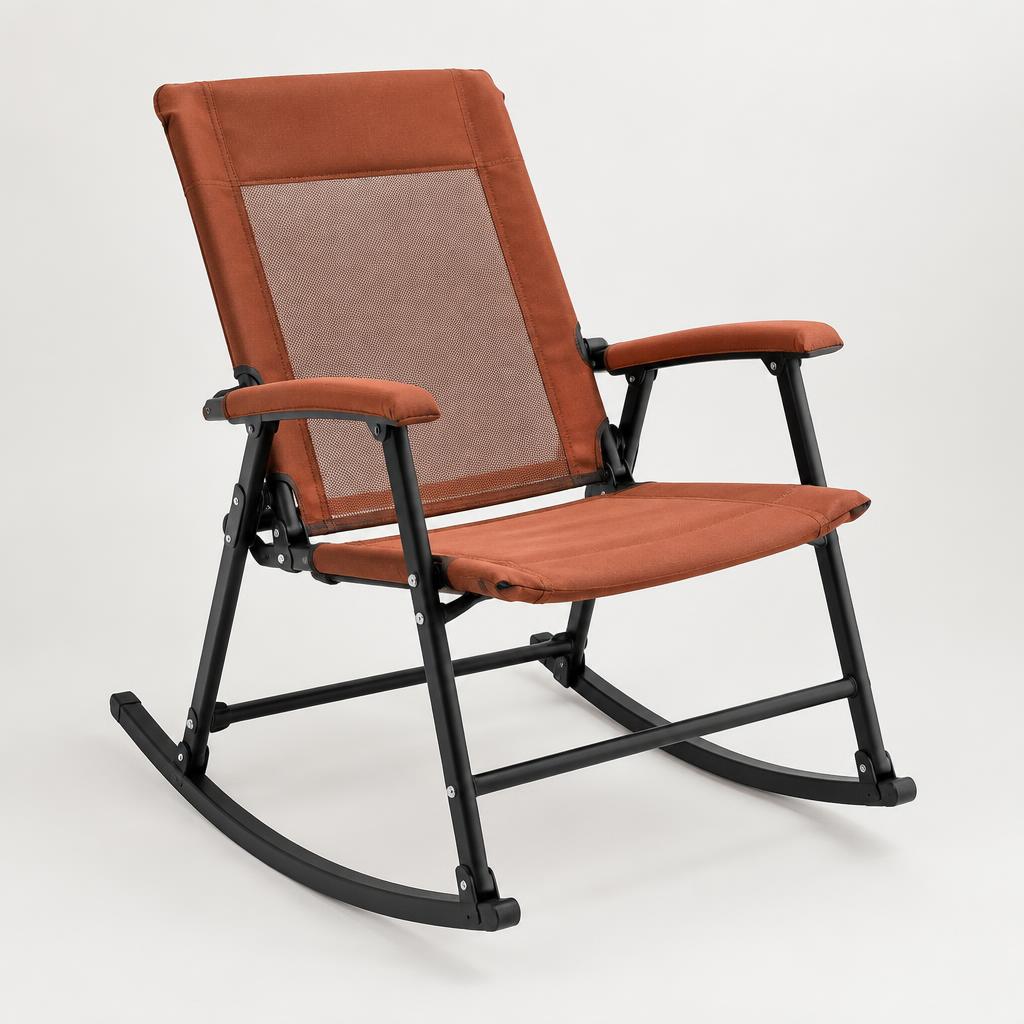 Best for campfire nights
GCI Outdoor Freestyle Rocker
A rocking camp chair that works on grass or gravel, folds flat for storage, and is sturdy enough that parents and kids both end up fighting over it.
Key benefits
- Spring-action rocking on any surface
- Holds up to 250 lbs
- Folds flat for easy packing
Pros
- Rocking works even on uneven ground
- Padded armrests with a drink holder
- Sets up in seconds
Cons
- Heavier than a basic folding chair at about 12 lbs
Affiliate link — we may earn a commission at no cost to you.
Frequently asked questions
Can you drive an RV on the Pacific Coast Highway?
Yes — Highway 1 is legal for RVs, including through Big Sur, but the road is narrow and slow. Rigs under 30 feet have a much easier time. Plan on averaging 30 mph through the Big Sur section and always check for slide-related closures before your trip.
How many days do you need for the Pacific Coast Highway in an RV?
Seven days from San Francisco to Los Angeles keeps driving legs under two hours most days and leaves real time for the aquarium, beaches and Big Sur stops. You can compress it to five days, but with kids the extra two days are the difference between a great trip and a tiring one.
Which direction is better: north to south or south to north?
North to south. Driving southbound puts you in the ocean-side lane with the views and, critically, the turnouts — every overlook and vista point is an easy right-hand pullout instead of a left turn across oncoming traffic with a trailer.
When is the best time to RV the Pacific Coast Highway?
Late April through early June and mid-September through October offer the best mix of clear skies, open campgrounds and lighter traffic. Summer is beautiful but foggy in the mornings, crowded, and requires six-months-out campground bookings.
Share
Facebook X PinterestGet the free RV planning bundle
Five printable checklists you can download and print right now — no email required.
Free to download, print and share. No spam — just the checklist.
Related reading
The Complete Beginner's Guide to Family RVing
What to know before a first family RV trip: rig choice, campground booking, packing and the routines that keep kids happy on travel days.
14 min read
Lightweight Travel Trailers for Families: What to Know Before You Buy
You do not need a heavy-duty truck to RV with kids. Lightweight trailers under 3,500 pounds open the whole lifestyle to families with a midsize SUV — if you understand what the weight labels actually mean.
14 min read
RV Safety for Families: The Rules That Matter Before Every Mile
Nobody hands you a safety manual when you drive off the lot. These are the checks that actually matter — the ones experienced families do every single trip, in the driveway, at every fuel stop, and the moment the rig is parked.
13 min read