Best National Parks for Families Traveling by RV
Ten national parks where family RV camping actually works — with real RV length limits, campground picks and kid-sized hikes.
Affiliate disclosure: some links in this article are affiliate links. If you buy through them we may earn a small commission at no extra cost to you. Read the full disclosure.
How we ranked these parks
We weighted three things: whether the park has campgrounds that take rigs over 25 feet, whether there are short trails with a real payoff, and whether you can get around without white-knuckle driving.
Scenery was deliberately the last criterion. Every national park is beautiful; not every national park is survivable with a 32-foot trailer, a seven-year-old and a dog. Parks with shuttles, gentle approach roads and campgrounds inside the boundary rose to the top.
Zion National Park, Utah
Watchman Campground takes rigs up to 50 feet with electric hookups and sits walking distance from the visitor center shuttle. Riverside Walk and the Pa'rus Trail are both stroller-friendly, and the Pa'rus is the rare paved national park trail where kids can ride bikes.
Book Watchman six months out at 10am Eastern. If you miss it, private parks in Springdale put you on the same shuttle line. Note that the Zion–Mount Carmel tunnel requires an escort fee for larger rigs, so plan your approach from the south.
In a hurry? Jump straight to the gear we recommend for this.
Acadia National Park, Maine
Schoodic Woods has 50-amp sites and space for larger rigs, and the carriage roads are the best family biking in the national park system — forty-five miles of car-free gravel with gentle grades and stone bridges kids actually stop to look at.
Blackwoods and Seawall put you closer to Bar Harbor but cap out around 35 feet with no hookups. Whichever you choose, drive Park Loop Road early: parking at Sand Beach and Thunder Hole is gone by mid-morning all summer.
Great Smoky Mountains, Tennessee & North Carolina
Free entry, dozens of shallow creeks kids can wade in, and Elkmont Campground handles rigs to 35 feet. No hookups, so arrive with full water and empty tanks. Cades Cove Campground is smaller but puts you inside the loop for the early-morning wildlife drive.
Keep expectations modest on hiking distance. Laurel Falls and the Elkmont nature trail are the right scale for young kids, and the creek behind your site will hold their attention longer than either.
Grand Teton and Yellowstone, Wyoming
Colter Bay in Grand Teton is the easiest big-rig national park camping in the west: full hookups, a marina, a laundry and a general store. Use it as a base and day-trip north into Yellowstone rather than moving the rig twice.
Inside Yellowstone, Fishing Bridge RV Park is the only full-hookup option and books out a year ahead. Grant Village and Madison take moderate lengths without hookups. Drive times inside the park are roughly double what a map suggests because of wildlife jams.
Shenandoah, Badlands and Great Sand Dunes
These three are the most forgiving parks on this list for rigs over 35 feet. Big Meadows in Shenandoah sits right on Skyline Drive with easy waterfall hikes; Cedar Pass in the Badlands has electric sites and a sunset that does the entertaining for you; Piñon Flats at Great Sand Dunes puts a giant sandbox in front of your door.
All three are also good shoulder-season choices. September and early October bring smaller crowds, cooler afternoons and campsite availability inside the parks that simply does not exist in July.
Planning around RV length limits
National park campgrounds publish a maximum RV length per loop, and that number is honest. Measure your rig bumper to bumper, add the tow vehicle if you cannot unhitch, and filter your search on that number before you fall in love with a park.
Two more numbers matter: overhead clearance on the approach road and the length of the entrance-station pull-through. When a loop is borderline, call the campground directly and ask which specific site numbers fit your length — rangers answer that question all day and will usually name three.
Recommended gear for this trip
Everything below is hand-picked for family trips. Affiliate links support the site.
 Best for boondocking
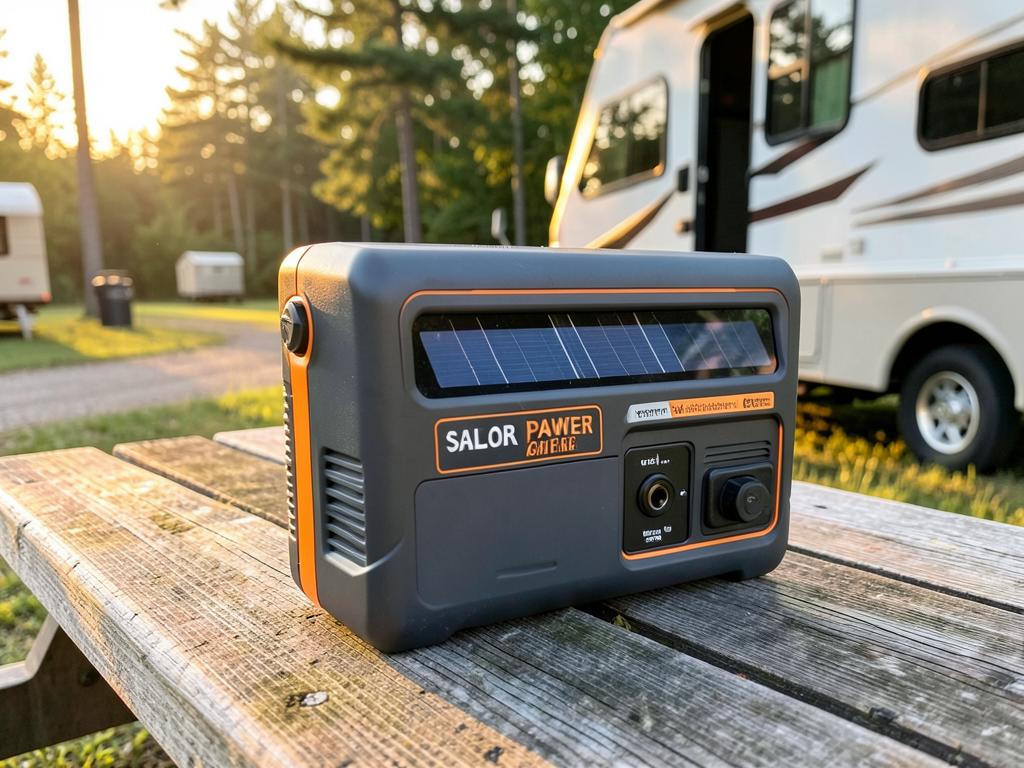
Jackery Explorer 1000 v2
A 1,070Wh power station that keeps a 12V fridge, CPAP and kids' tablets running through a long weekend off-grid.
Key benefits
- 1,070Wh LiFePO4 battery rated for 4,000 charge cycles
- 1,500W output (3,000W surge) across three AC outlets
- Recharges from 400W of panels in under 4 hours
Pros
- Silent operation
- Only 23.8 lbs — lightest in its class
- Dual 100W USB-C for laptops
Cons
- Panels sold separately
- Full wall charge takes about 1.7 hours
Affiliate link — we may earn a commission at no cost to you.
 Best for long trips
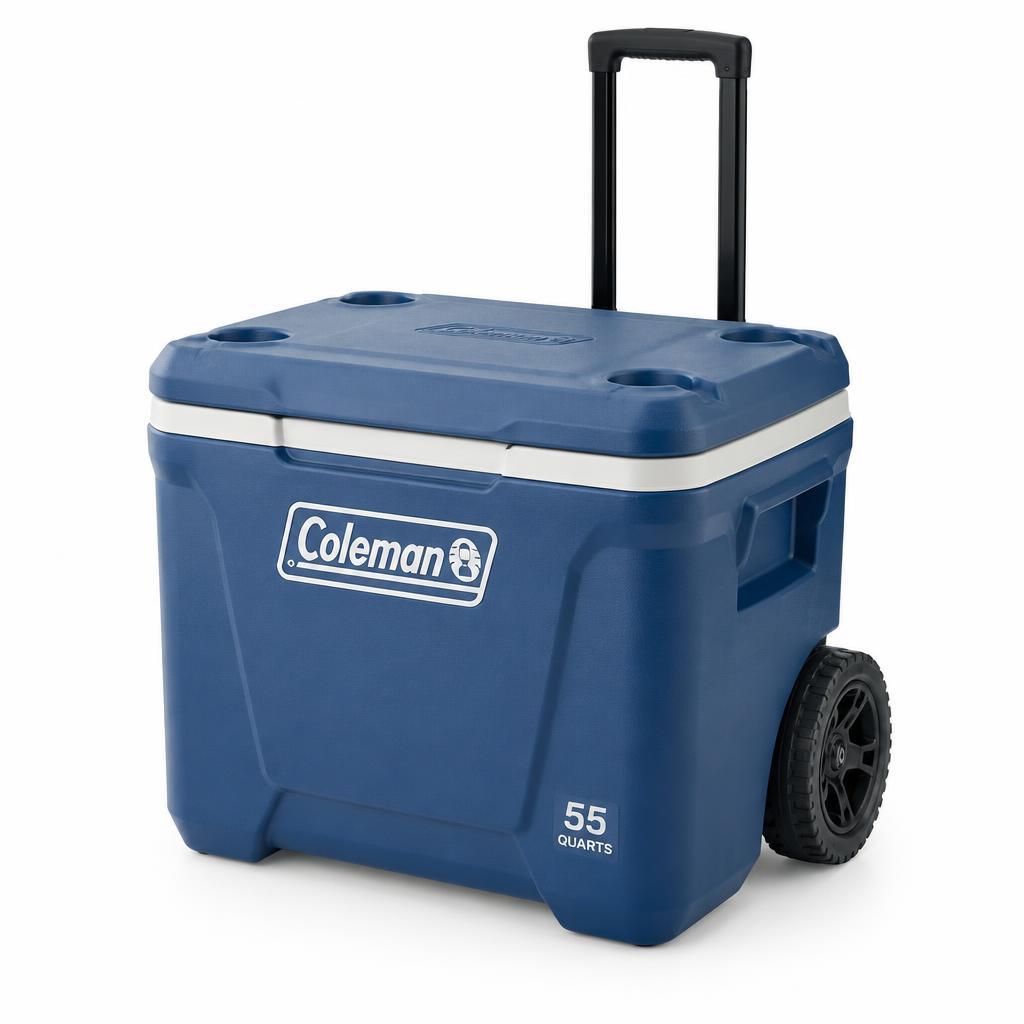
Coleman 55-Quart Wheeled Cooler
A 55-quart wheeled hard cooler with multi-day ice retention, so you stop restocking the campground store every morning.
Key benefits
- Up to 5 days of ice retention
- Wheels and handle for campsite hauling
- Lid doubles as an extra seat
Pros
- Great value for the size
- Drain plug for easy cleaning
Cons
- Takes up real cargo space
- Holds fewer days than premium rotomolded brands
Affiliate link — we may earn a commission at no cost to you.
Frequently asked questions
Which national parks are easiest for large RVs?
Great Sand Dunes, Shenandoah, Badlands and Grand Teton all have loops that comfortably handle 35-foot-plus rigs. Zion's Watchman Campground takes up to 50 feet with hookups.
Do national park campgrounds have hookups?
Most do not. A minority of loops offer electric only. Plan to arrive with full fresh water and empty waste tanks, and treat any hookup as a bonus.
When should I book national park campsites?
Recreation.gov opens most park campgrounds six months ahead at 10am Eastern. Popular summer weekends sell out in minutes, so set a calendar reminder.
Share
Facebook X PinterestGet the free RV planning bundle
Five printable checklists you can download and print right now — no email required.
Free to download, print and share. No spam — just the checklist.
Related reading
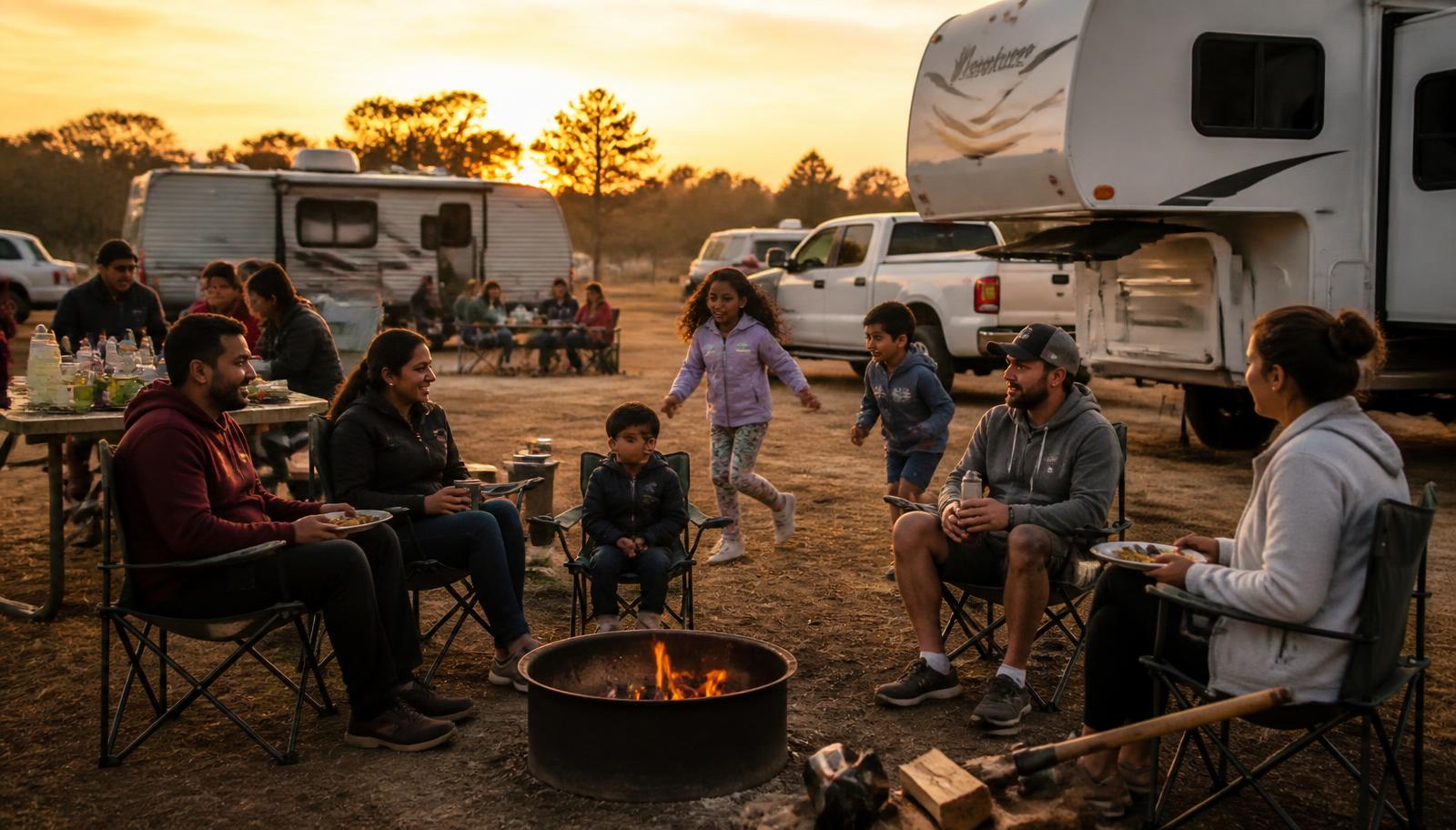
Our Favorite Family-Friendly Campgrounds
Twelve family-friendly campgrounds worth a look, compared on site spacing, playgrounds, bathhouses and bike-safe loops.
13 min read
The Complete Beginner's Guide to Family RVing
What to know before a first family RV trip: rig choice, campground booking, packing and the routines that keep kids happy on travel days.
14 min read
Essential RV Accessories Every Family Needs
The short list of RV accessories that earn their storage space, plus the popular ones most families end up leaving at home.
12 min read