Our Favorite Family-Friendly Campgrounds
Twelve family-friendly campgrounds worth a look, compared on site spacing, playgrounds, bathhouses and bike-safe loops.
Affiliate disclosure: some links in this article are affiliate links. If you buy through them we may earn a small commission at no extra cost to you. Read the full disclosure.
Our 12 favorite family campgrounds
These are the parks we book first, the ones we have returned to at least twice and would return to tomorrow. They span private full-hookup parks, state parks and Army Corps lake campgrounds, and they stretch across every region of the country, because a great family trip does not have to come from one category or one corner of the map.
1. Lake Haven State Park (Wilmington, Vermont) — shaded pull-throughs, a swim beach, and a paved loop the kids can ride end to end.
2. Riverbend Family Campground (Townsend, Tennessee) — full hookups, a laundry room that actually works, and a playground in sight of every site.
3. Blue Heron Army Corps Park (Hartwell, Georgia) — lakefront electric sites at $28 a night and the quietest evenings we have had on the road.
4. Pinecrest KOA Holiday (Wisconsin Dells, Wisconsin) — the best pool complex on our list, plus a camp store that saves forgotten s'mores supplies.
5. Cedar Flats County Park (Interlochen, Michigan) — half the price of the resort town twenty minutes away, with a grassy lakeside loop.
6. Whispering Pines State Park (Olympic Peninsula, Washington) — wooded sites, a creek for wading and rangers who run evening programs for kids.
7. Sunset Ridge RV Resort (Mesa, Arizona) — big rigs and big families: 70-foot pull-throughs, two bathhouses and mini golf.
8. Otter Lake Recreation Area (Park Rapids, Minnesota) — kayak rentals at the camp store and a one-way loop that keeps traffic slow.
9. Maple Grove Family Campground (Lancaster, Pennsylvania) — family-run, immaculate bathhouses, and a Saturday pancake breakfast that sells itself.
10. Sandhill Meadows State Recreation Area (Valentine, Nebraska) — wide-open sites for groups, stargazing, and bike-safe gravel roads.
11. Twin Rivers Army Corps Campground (Fort Smith, Arkansas) — two rivers, a fishing pier, and some of the cheapest waterfront sites we have found.
12. Juniper Hills State Park (Joshua Tree, California) — desert scenery, heated pool in the shoulder season, and short trailheads right from camp.
What makes a campground family-friendly
Site spacing, a safe loop road, a clean bathhouse and something for kids to do within eyesight. Pools and mini golf are nice; sightlines matter more. If you can sit at the picnic table and watch your kids ride the loop, the campground is doing its job.
Three more things to check before booking: whether sites are grass or gravel, whether the loop is one-way, and how far the bathhouse is from the farthest site. A 300-yard walk to the bathroom is a different vacation with a four-year-old.
In a hurry? Jump straight to the gear we recommend for this.
Full hookup favorites
Full hookups matter most with kids under six, when laundry is constant and long showers are non-negotiable. These parks combine hookups with grass, shade and a playground that is not an afterthought — usually a family-run park rather than a chain.
Look for pull-through sites of at least 60 feet if you tow, 50-amp service if you run two air conditioners in summer, and a dump station near the exit so a busy checkout morning does not turn into an hour in line.
Price expectation: $45 to $85 a night in season, more near a national park gate. Weekly rates usually knock 25% off, and many family parks quietly discount Sunday-to-Thursday stays if you ask.
State park gems
State parks routinely beat private RV resorts on setting and price. Expect electric-only, book early, and bring your own shade. Sites are often wooded and unlevel, so pack a full set of leveling blocks and a long power cord.
The trade-offs are real: no laundry, spotty cell coverage, shorter length limits and quiet hours that are actually enforced. For families with school-age kids who want a creek and a trail rather than a water slide, that trade is usually the right one.
Army Corps and county parks
The most underrated category in family camping. Army Corps of Engineers campgrounds sit on lakes and rivers, run about $24 to $34 a night with electric, and enforce a calm atmosphere. County parks vary wildly but often hide a lakefront loop twenty minutes from a tourist town at half the price.
Both book on shorter windows than the national parks — often 30 to 180 days — which makes them a good rescue when a summer plan falls through.
Booking strategy that actually works
Set calendar reminders for reservation windows, book the anchor weekends first and fill the travel nights later, and always read the last ten reviews rather than the star average. Reviews from the current season tell you about construction, closed pools and new management; the average tells you about 2019.
When a park is full, call anyway. Cancellations are common inside seven days and most family parks keep a waitlist that never appears online.
What each review covers
Reviews are built from campground documentation, current-season visitor reports and site details like pad size, water pressure and whether the Wi-Fi claim holds up. Coverage is independent — parks cannot pay for a review.
Every review notes maximum length, hookup type, bathhouse condition, playground quality, noise after 9pm and how well the loop suits kids on bikes. That last line is the detail that matters most for families.
Recommended gear for this trip
Everything below is hand-picked for family trips. Affiliate links support the site.
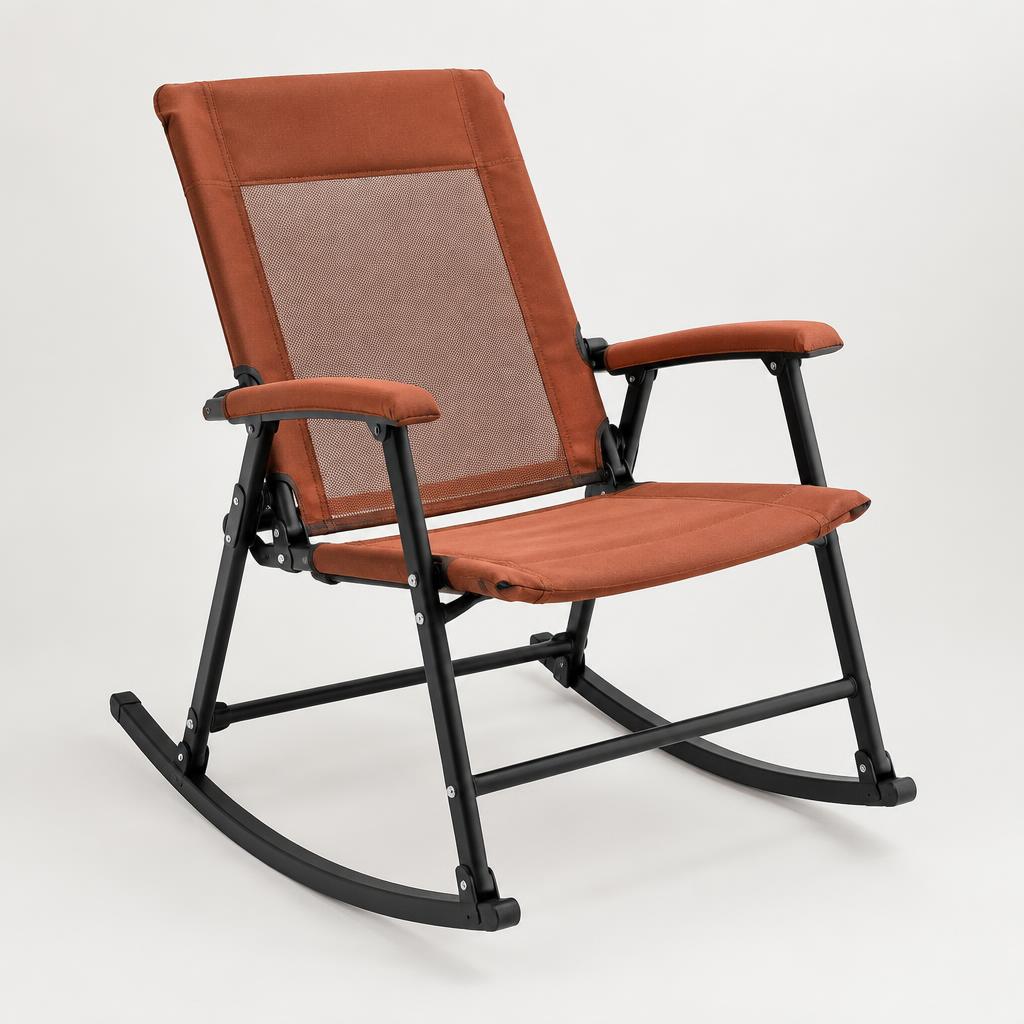 Best for campfire nights
GCI Outdoor Freestyle Rocker
A rocking camp chair that works on grass or gravel, folds flat for storage, and is sturdy enough that parents and kids both end up fighting over it.
Key benefits
- Spring-action rocking on any surface
- Holds up to 250 lbs
- Folds flat for easy packing
Pros
- Rocking works even on uneven ground
- Padded armrests with a drink holder
- Sets up in seconds
Cons
- Heavier than a basic folding chair at about 12 lbs
Affiliate link — we may earn a commission at no cost to you.
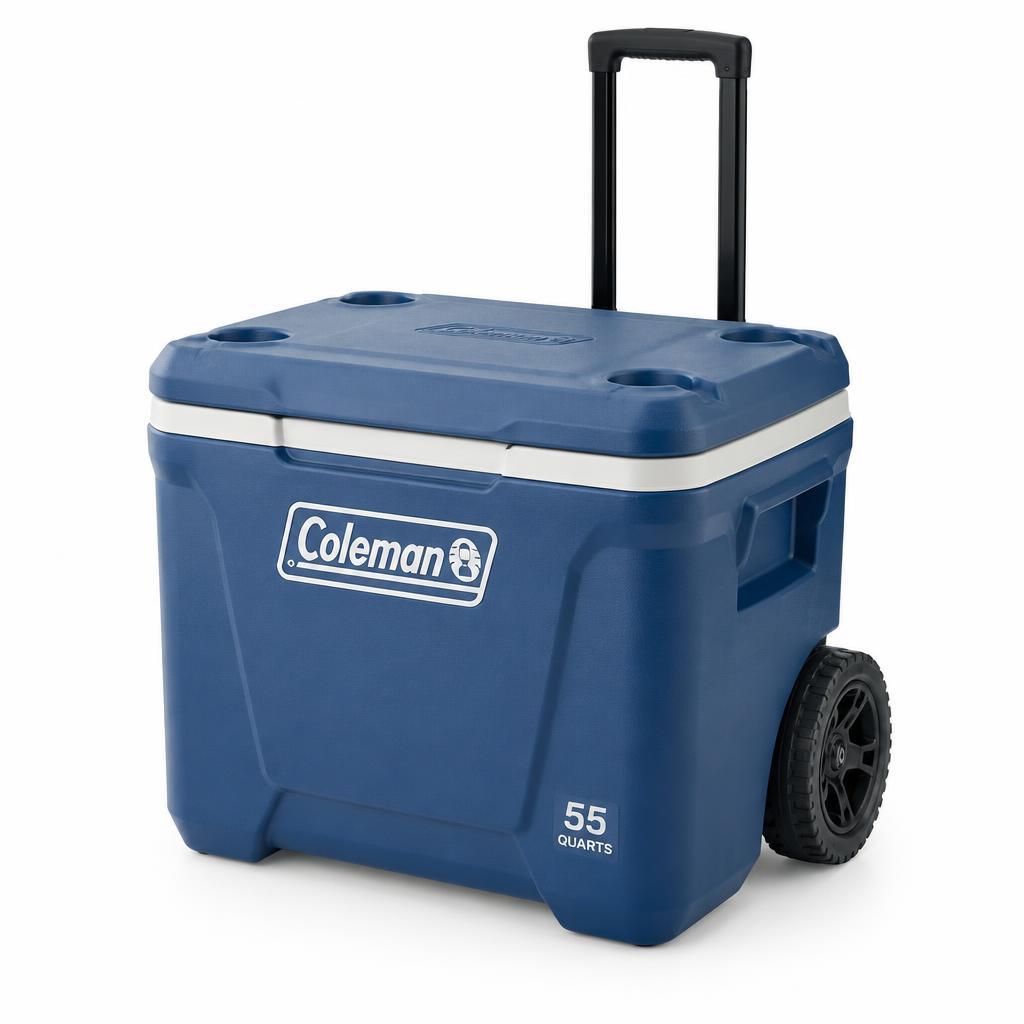 Best for long trips
Coleman 55-Quart Wheeled Cooler
A 55-quart wheeled hard cooler with multi-day ice retention, so you stop restocking the campground store every morning.
Key benefits
- Up to 5 days of ice retention
- Wheels and handle for campsite hauling
- Lid doubles as an extra seat
Pros
- Great value for the size
- Drain plug for easy cleaning
Cons
- Takes up real cargo space
- Holds fewer days than premium rotomolded brands
Affiliate link — we may earn a commission at no cost to you.
Frequently asked questions
How far in advance should I book a family campground?
Three to six months for summer weekends at popular parks; two weeks is usually fine mid-week outside peak season.
Are private RV resorts worth the extra cost?
They are when you need laundry, reliable hookups and a pool on a hot week. For scenery and space, state parks generally win.
Share
Facebook X PinterestGet the free RV planning bundle
Five printable checklists you can download and print right now — no email required.
Free to download, print and share. No spam — just the checklist.
Related reading
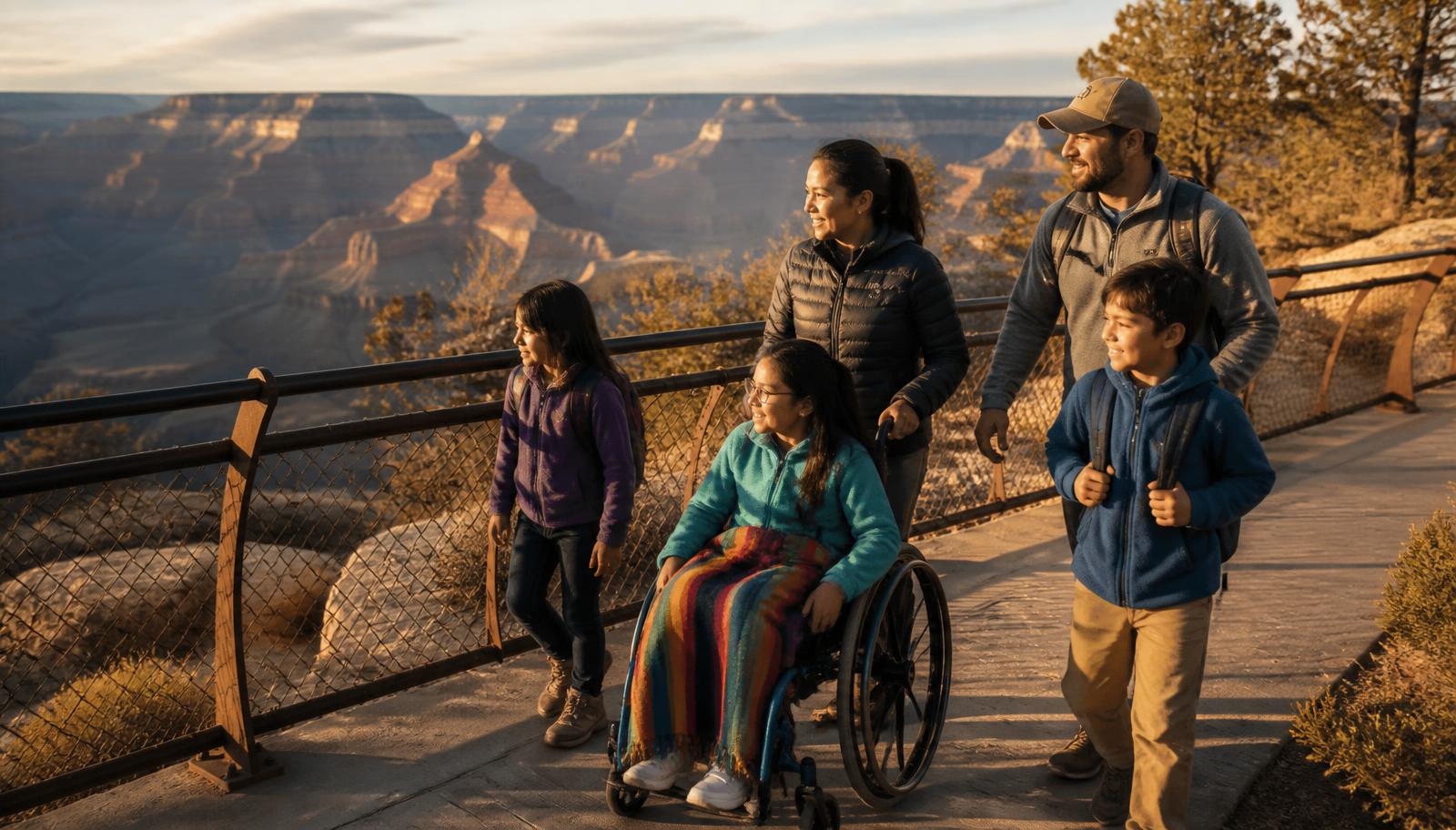
Best National Parks for Families Traveling by RV
Ten national parks where family RV camping actually works — with real RV length limits, campground picks and kid-sized hikes.
15 min read
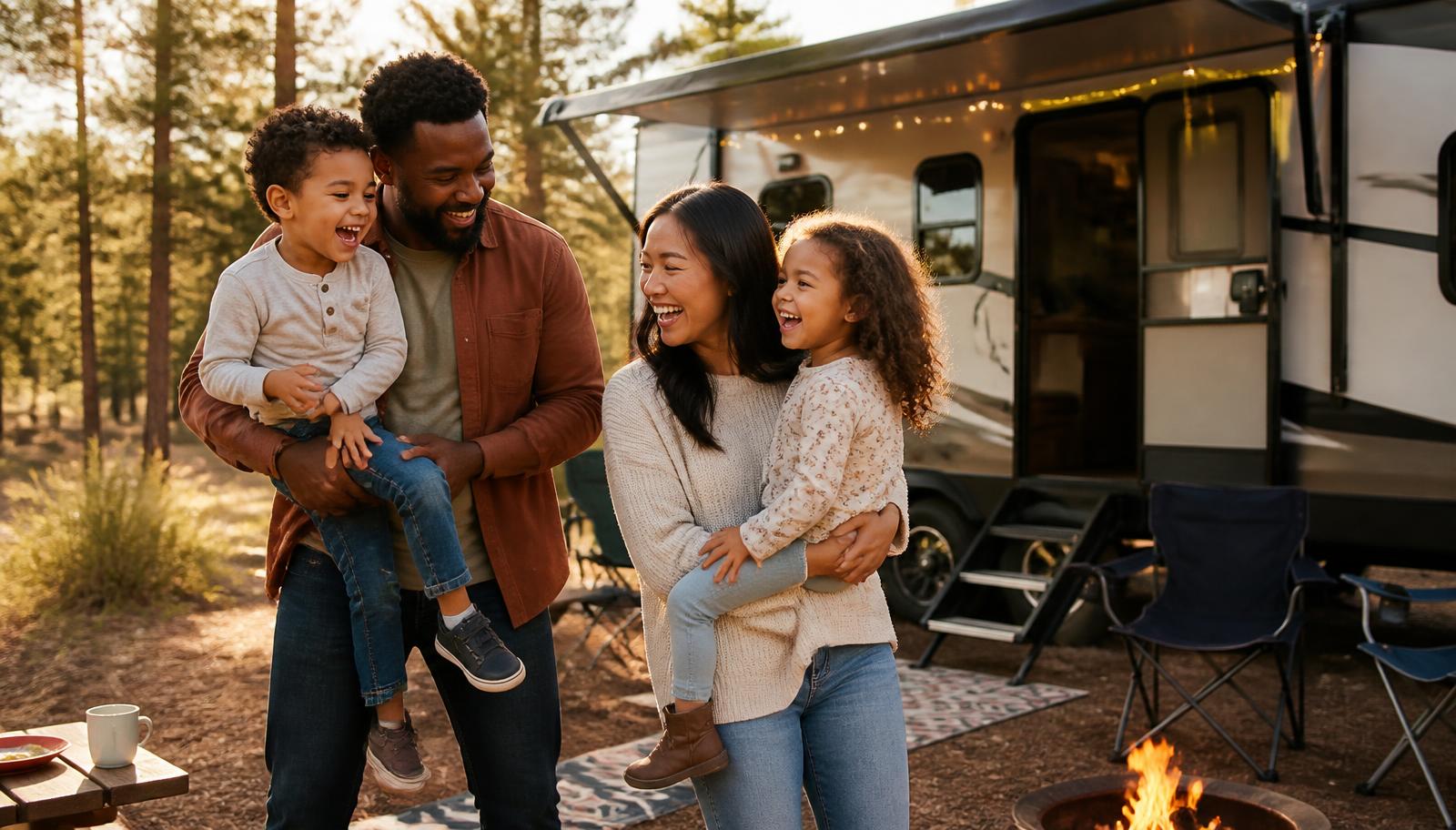
The Complete Beginner's Guide to Family RVing
What to know before a first family RV trip: rig choice, campground booking, packing and the routines that keep kids happy on travel days.
14 min read
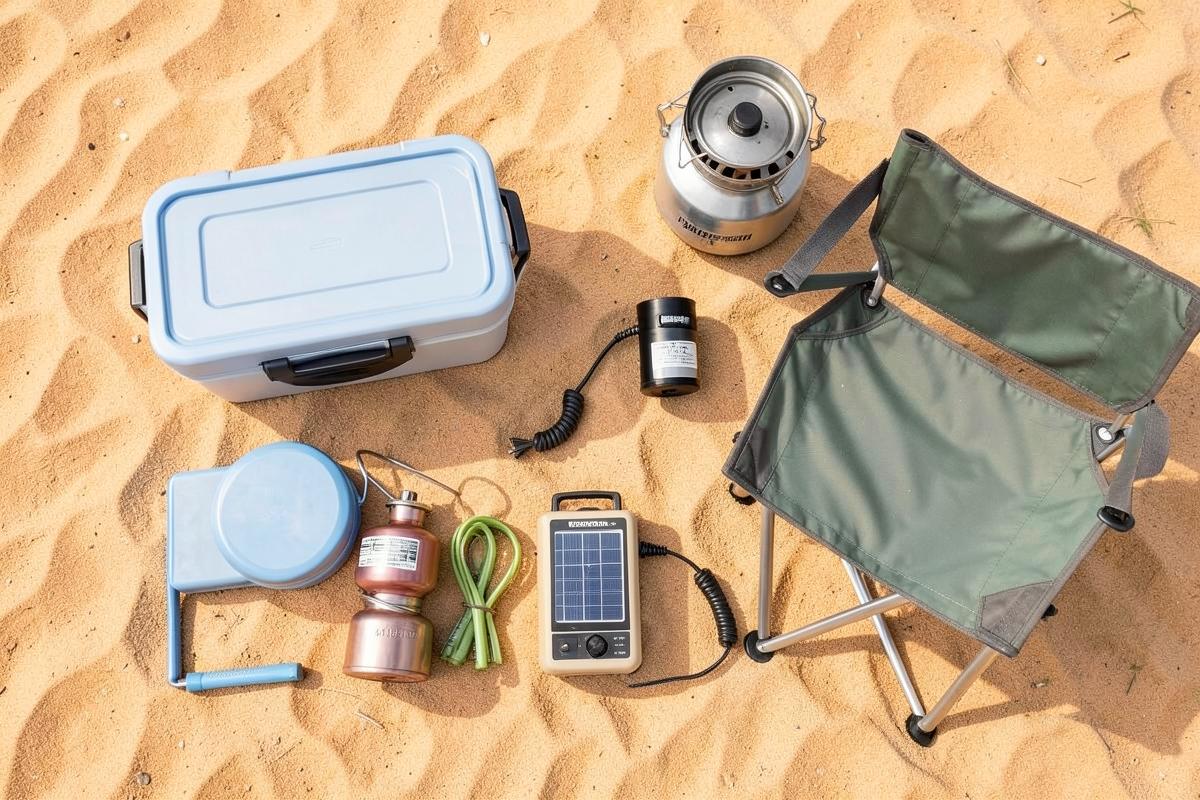
Essential RV Accessories Every Family Needs
The short list of RV accessories that earn their storage space, plus the popular ones most families end up leaving at home.
12 min read