Camping in the Fall: A Family Guide to Cold-Weather Trips
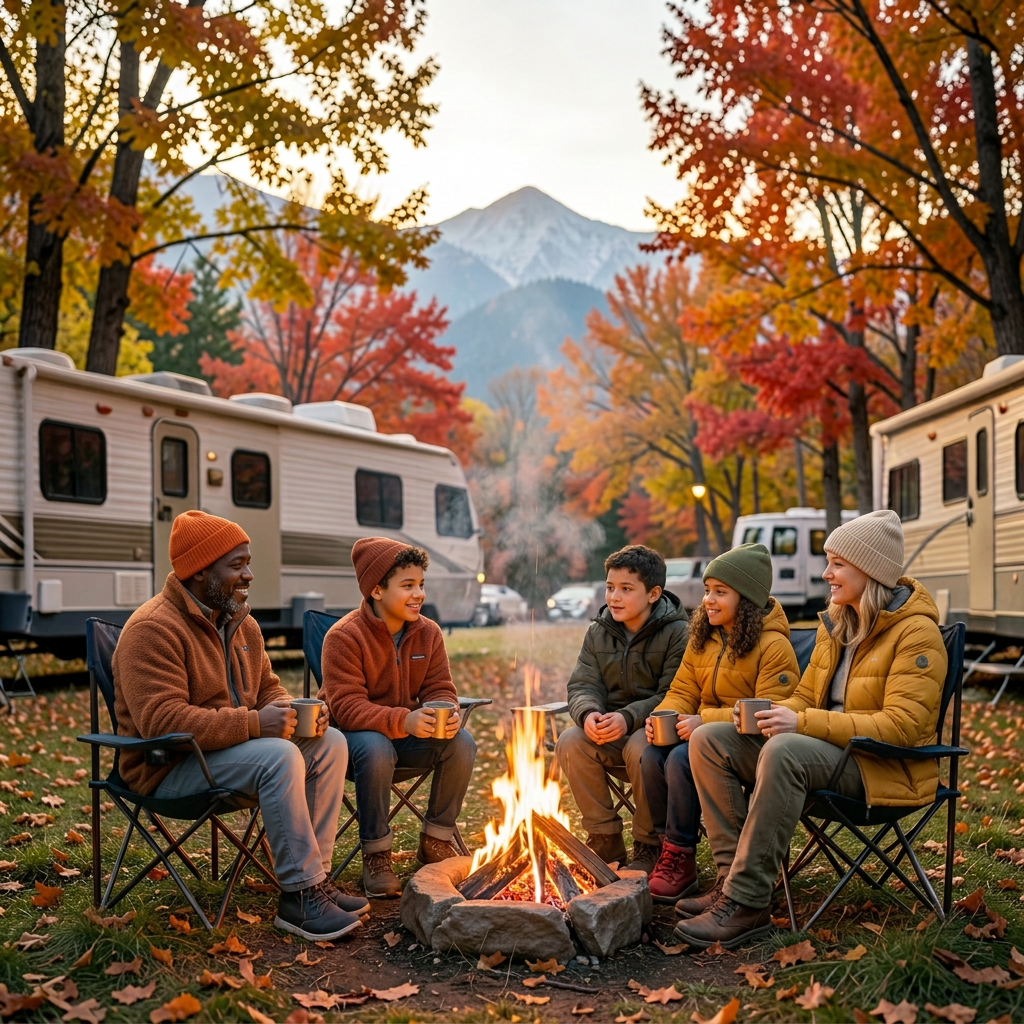
Cooler nights, empty campgrounds and fires all evening — fall is the best-kept secret in family camping. Here's how to stay warm, fed and happy when the temperature drops.
Affiliate disclosure: some links in this article are affiliate links. If you buy through them we may earn a small commission at no extra cost to you. Read the full disclosure.
Why fall is the best-kept secret in family camping
The campgrounds empty out the week school starts, and that is exactly when the season gets good. By late September you can book the loops that sold out in minutes back in June, the afternoon crowds at the overlooks disappear, and the bugs that made July dinners miserable are mostly gone.
Fall also fixes the problems that wear families down in summer. No 95-degree afternoons with an RV that will not cool down. No standing in a shaded playground line. Days are shorter, which sounds like a downside until you realize it means the campfire starts at six instead of nine and the kids are actually awake for it.
The trade is honest: you trade hot afternoons for cold nights, and you trade long trail days for golden light and campfires. Families who prepare for the cold end up calling fall their favorite season. Families who pack for summer in October end up in a hotel by night two.
Dressing kids for 40-degree mornings
The rule that works at every age is layers they can take off themselves: a moisture-wicking base, a fleece midlayer, and a windproof outer shell. Kids heat up on a ten-minute walk and melt down if changing means untangling three layers, so keep each layer simple — zippers, not pullovers.
Two accessories matter more than any jacket: a warm hat and dry socks. Most of a kid's evening misery is heat loss from the head and damp feet from the morning dew. Pack two full sets of socks per kid per day, and a dedicated 'camp shoes' pair that never gets wet.
Skip cotton entirely once the temperature drops. Cotton holds sweat and dew and takes hours to dry in cool air, which is how a warm kid becomes a cold one. Synthetic fleece and wool cost the same at outlet stores and dry overnight on a chair by the fire.
In a hurry? Jump straight to the gear we recommend for this.
Keeping the RV warm without wasting propane
Your furnace will run the rig, but it will also chew through a twenty-pound propane tank in two or three cold nights. A few cheap fixes change the math completely: reflective foam boards in the windows, an insulated vent cushion for every roof vent, and a skirt of anything — foam board, tarps, even stacked bins — blocking wind from under the floor.
Heat the people, not the whole rig. A heated blanket on the bunk, a hot water bottle in the sleeping bag twenty minutes before bed, and dry sleeping bags rated ten degrees colder than the forecast do more than running the furnace all night. Kids sleep warm when the bedding does the work.
One safety rule above all: never use an unvented propane or charcoal heater inside the RV, and test the carbon monoxide alarm before every cold-weather trip. Cold nights are exactly when CO accidents happen, and the alarm is the only thing that will wake you.
Cold-weather meals that cook themselves
Fall is the season for one-pot food. Chili, stew, mac and cheese and curry all taste better outdoors, all reheat well, and all let you cook once and feed the crew twice. Brown the meat at home so dinner at the campsite is twenty minutes of simmering instead of an hour of prep in the dark.
A thermal trick worth learning: bring the pot to a boil at dinner, lid it, and wrap it in a sleeping bag in a cooler. It keeps cooking for hours with zero fuel and stays hot for second helpings. It also frees the stove for s'mores duty, which is the actual priority.
Keep a kettle on from morning. Hot chocolate at 7am, cocoa refills after the hike, and a cup of cider at the fire — warm drinks are the cheapest morale equipment in cold-weather camping, for kids and adults alike.
Shorter days: planning around 6pm dark
In October the sun sets around 6:30, and camp setup in the dark is how trips start badly. Reverse your summer rhythm: arrive by 4, set up immediately, and treat dinner prep as a late-afternoon activity. Everything that can be done before dark gets done before dark.
Build the evening around light instead of fighting it. String lights on the awning, a lantern on the picnic table, headlamps for every kid and one glow-in-the-dark item each turns the dark hours into the fun hours instead of the bedtime argument. Kids who can see the trail to the bathroom will go without a negotiation.
The darkness is also the payoff. Fall nights away from cities are some of the best stargazing of the year, the fire is the entertainment instead of a Screen-time argument, and earlier bedtimes mean parents get their evenings back.
Rain, frost and the first freeze
Fall weather turns fast, so plan for one wet day out of three. Pack a tarp you can rig over the picnic table, a bin of indoor-bag activities, and one 'go' plan per day that works in rain — a hot-spring soak, a cavern tour, a aquarium, a drive-through scenic loop with the heater on.
Frost and freezing nights need real preparation. Disconnect and drain the water hose every night at or below freezing, leave cabinet doors open under the sink so warm air reaches the plumbing, and keep your fresh tank fuller than usual — bigger volumes freeze slower. If nights will sit below the low twenties, winterize instead of gambling on the plumbing.
Watch the forecast for the whole trip, not just the arrival day, and know your exit plan. There is no shame in shortening a trip by a night when a hard freeze or an all-day soaker rolls in. The families who camp happily in the cold are the ones who leave before it stops being fun.
The best fall camping destinations
For foliage, the Smokies, Shenandoah and the Green and White Mountains of Vermont and New Hampshire are the classics — go midweek in late September or the first week of October, because peak-color weekends pack even the quiet season.
For warmth, the season runs backwards. The desert Southwest, the Texas Hill Country and the Florida state parks hit their best weather exactly when the north turns cold, and reservations are easy through October. Splitting the family between a foliage trip and a November desert trip covers both halves of the season.
Wherever you go, state parks are the fall bargain. Many drop rates after Labor Day, midweek availability opens up, and the playground-to-site walk is short enough to survive a 40-degree evening.
Recommended gear for this trip
Everything below is hand-picked for family trips. Affiliate links support the site.
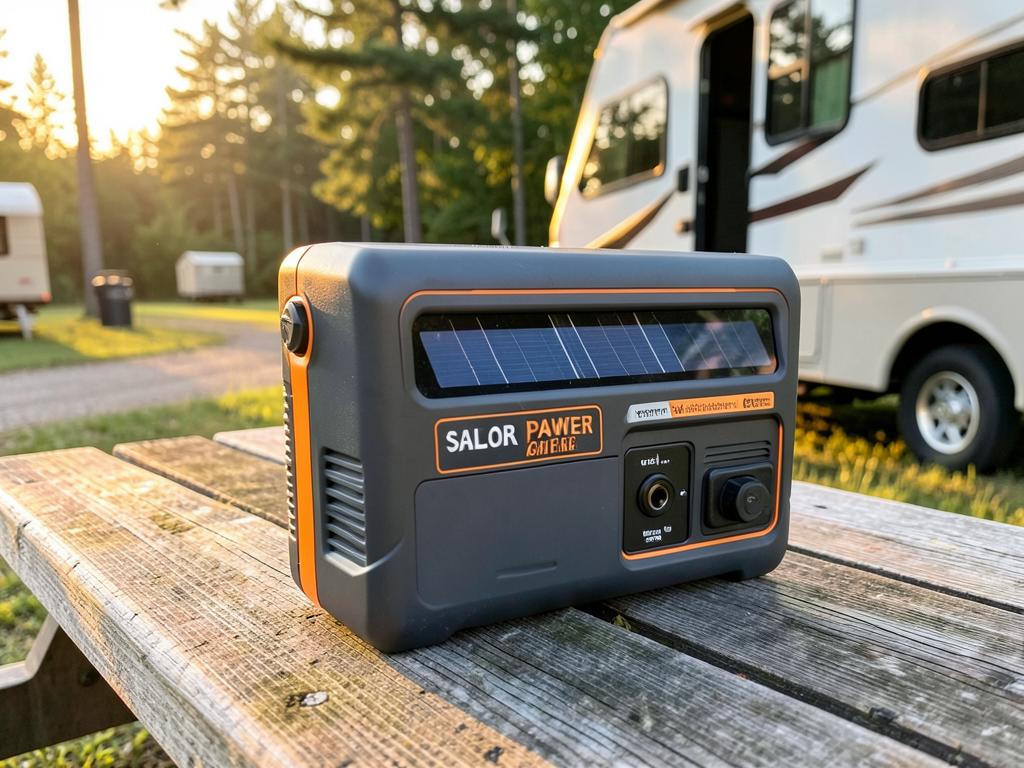 Best for boondocking
Jackery Explorer 1000 v2
A 1,070Wh power station that keeps a 12V fridge, CPAP and kids' tablets running through a long weekend off-grid.
Key benefits
- 1,070Wh LiFePO4 battery rated for 4,000 charge cycles
- 1,500W output (3,000W surge) across three AC outlets
- Recharges from 400W of panels in under 4 hours
Pros
- Silent operation
- Only 23.8 lbs — lightest in its class
- Dual 100W USB-C for laptops
Cons
- Panels sold separately
- Full wall charge takes about 1.7 hours
Affiliate link — we may earn a commission at no cost to you.
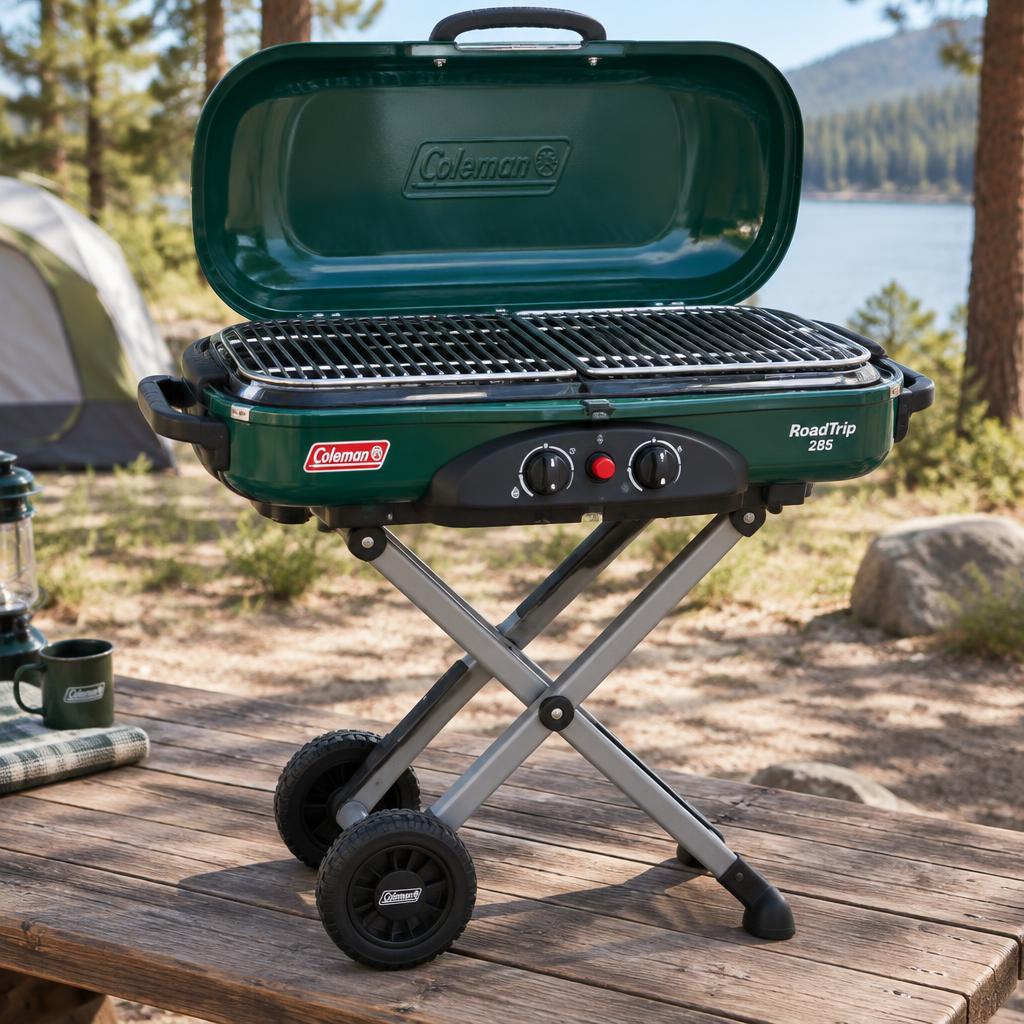 Best for camp cooking
Coleman RoadTrip 285 Portable Propane Grill
A wheeled stand-up grill with 285 sq in of cooking space and adjustable burners, running on the same 1 lb propane canisters most families already carry.
Key benefits
- 285 sq in of cooking space with 20,000 total BTU across three burners
- Instastart push-button ignition and adjustable burners for zone cooking
- Wheeled stand folds down to fit in a pass-through bay
Pros
- Fast preheat
- Even heat across the large grate
- Works with an adapter hose off a bigger tank
Cons
- Heavier than a tabletop grill at about 48 lbs
Affiliate link — we may earn a commission at no cost to you.
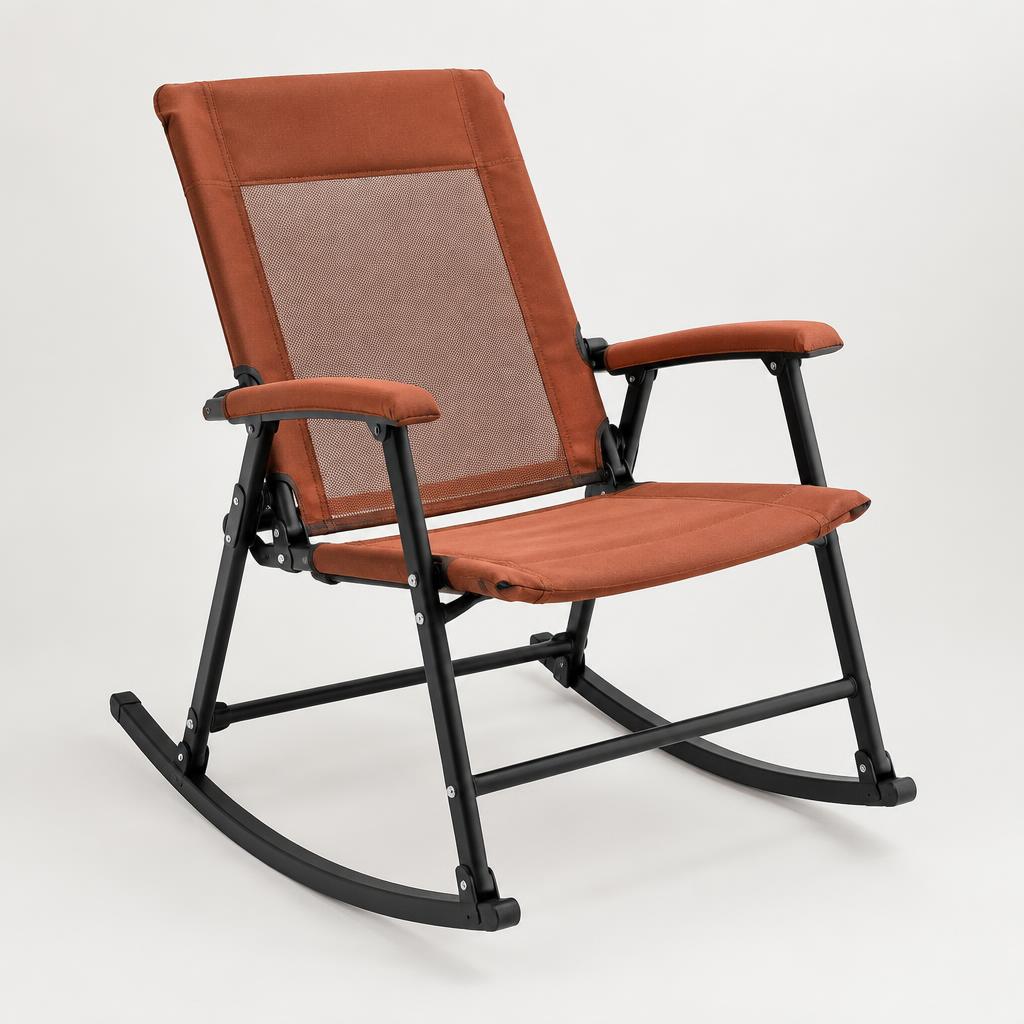 Best for campfire nights
GCI Outdoor Freestyle Rocker
A rocking camp chair that works on grass or gravel, folds flat for storage, and is sturdy enough that parents and kids both end up fighting over it.
Key benefits
- Spring-action rocking on any surface
- Holds up to 250 lbs
- Folds flat for easy packing
Pros
- Rocking works even on uneven ground
- Padded armrests with a drink holder
- Sets up in seconds
Cons
- Heavier than a basic folding chair at about 12 lbs
Affiliate link — we may earn a commission at no cost to you.
Frequently asked questions
How cold is too cold for family camping?
With proper sleeping bags, layered clothing and an insulated RV, families camp comfortably into the 20s°F. Below about 20°F overnight, most families are happier winterizing the rig and choosing a warmer region or waiting for spring.
How do you keep kids warm in an RV at night?
Layer bedding instead of raising the thermostat: a fitted thermal layer, a warm sleeping bag rated below the forecast, and a hot water bottle or heated blanket at bedtime. Reflective window covers and vent cushions keep the heat you make inside the rig.
Is fall a good time to buy camping gear?
Yes — Labor Day through October is prime clearance season for summer camping gear, and shoulder-season campgrounds often drop their rates after Labor Day. It is the cheapest time of year to stock up.
Share
Facebook X PinterestGet the free RV planning bundle
Five printable checklists you can download and print right now — no email required.
Free to download, print and share. No spam — just the checklist.
Related reading
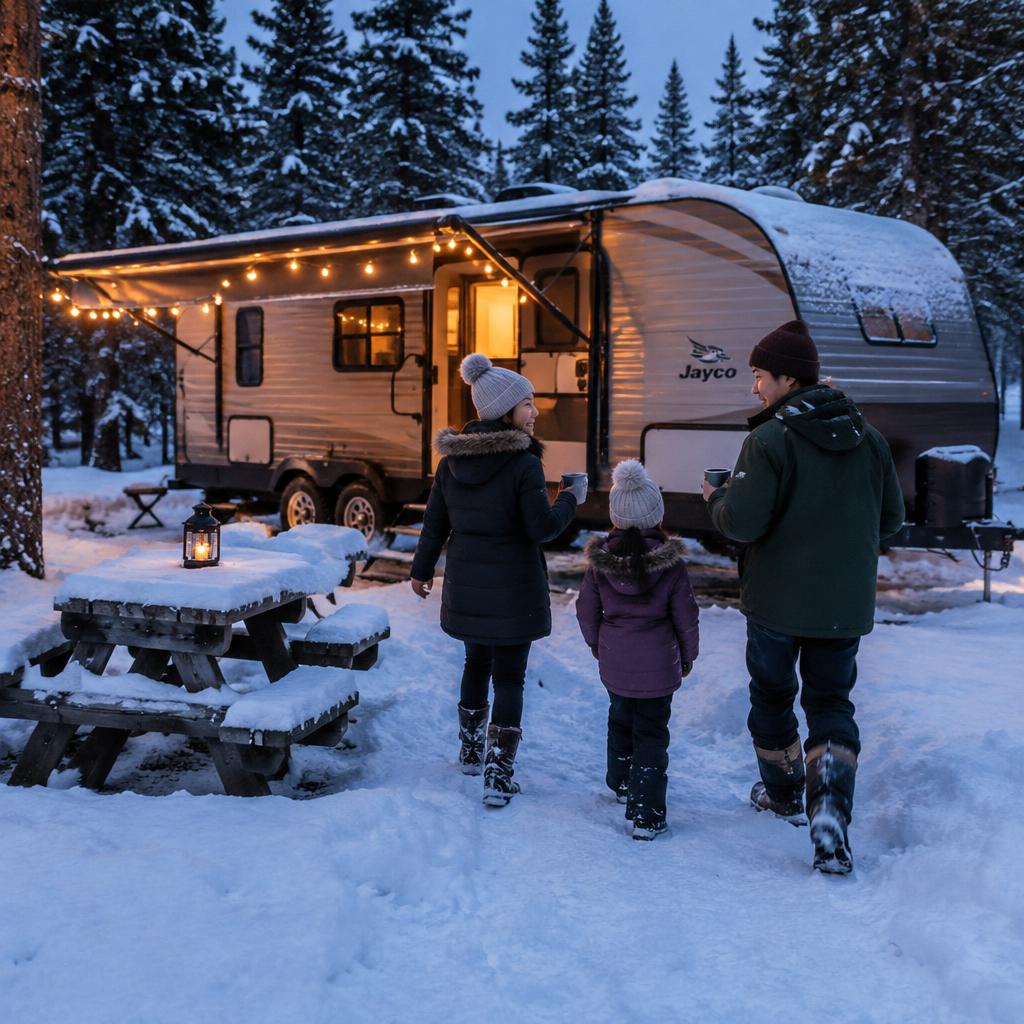
Winter RV Camping: How Families Camp Comfortably in the Snow
Winter camping is the RV world's best-kept secret: empty campgrounds, snow-covered forests, and campsites you could never book in July. It is also genuinely doable with kids — if you respect the three enemies: frozen plumbing, condensation, and cold floors.
14 min read
The Complete Beginner's Guide to Family RVing
What to know before a first family RV trip: rig choice, campground booking, packing and the routines that keep kids happy on travel days.
14 min read
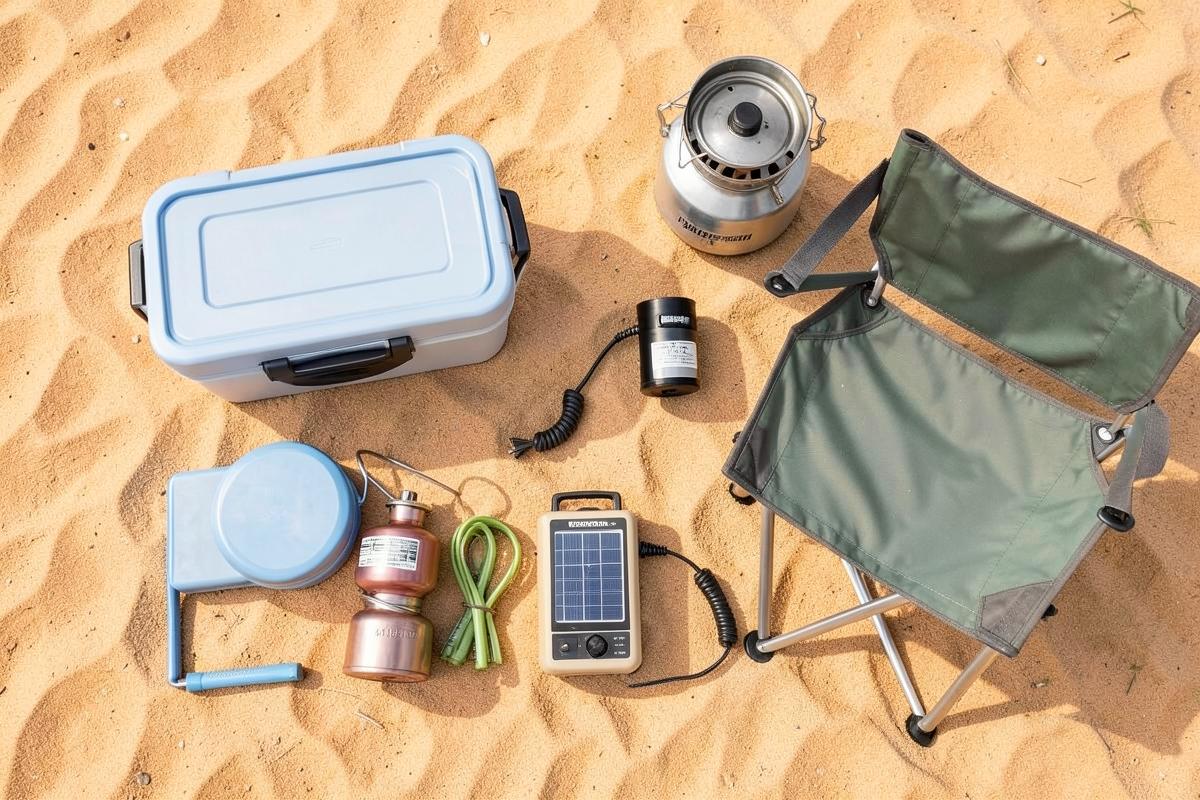
Essential RV Accessories Every Family Needs
The short list of RV accessories that earn their storage space, plus the popular ones most families end up leaving at home.
12 min read