Winter RV Camping: How Families Camp Comfortably in the Snow
Winter camping is the RV world's best-kept secret: empty campgrounds, snow-covered forests, and campsites you could never book in July. It is also genuinely doable with kids — if you respect the three enemies: frozen plumbing, condensation, and cold floors.
Affiliate disclosure: some links in this article are affiliate links. If you buy through them we may earn a small commission at no extra cost to you. Read the full disclosure.
Is your rig actually ready for winter?
Be honest about your RV. A rig with an enclosed, heated underbelly and dual-pane windows camps comfortably into the teens; a basic three-season trailer needs help below freezing. Neither fact is a dealbreaker — it just changes your plan. Know which one you own before you book February in the mountains.
The furnace is your anchor system. RV furnaces run on propane and 12-volt power, and they are thirsty: a typical rig burns a 30-pound propane tank every two to four cold nights. Carry a spare tank, always, and consider a small electric space heater to offload the furnace when you have hookups — but never leave one running unattended or overnight.
Water without frozen hoses
A heated water hose is the single best winter purchase — it keeps city water flowing into the rig down to well below zero. Pair it with insulation on the exposed faucet and you have solved 90% of winter water problems before they start.
The elegant alternative is simpler: fill the fresh tank, disconnect and stow the hose, and run off the pump, refilling every few days. Many experienced winter campers prefer this — nothing outside to freeze, nothing to buy. The sewer hose is the exception to the cozy plan: leave the grey tank valve closed, dump only when needed, and never leave a trickle running in freezing weather or you will build a ice glacier at the outlet.
In a hurry? Jump straight to the gear we recommend for this.
Skirting, windows and the war on condensation
RV skirting — a barrier around the bottom of the rig — traps a layer of warmer air under the floor and protects tanks and plumbing. Foam board cut to fit works beautifully and costs a weekend afternoon. Even a banked-up ring of snow does a surprising amount of good.
Condensation is the winter enemy nobody warns you about. A family breathing, cooking and drying snow gear pumps moisture into a small sealed box, and it condenses on every cold surface — windows, walls, inside cabinets. The fix is counterintuitive: crack a roof vent and run the vent fan. Dry cold air is healthier and warmer-feeling than damp sealed air. A small dehumidifier earns its keep on hookups.
Insulate the windows at night with Reflectix cut to size, and put rugs down on the floor — cold floors are the number one comfort complaint from kids, and the cheapest to fix.
Where to camp and what to expect
Winter campgrounds fall into three buckets: year-round state and national park campgrounds (often with limited services and vault toilets), private RV parks that stay open (full hookups, real showers — the family-friendly choice), and ski-area or snow-park lots for the adventurous. For a first winter trip with kids, choose full hookups near a town. Comfort builds enthusiasm.
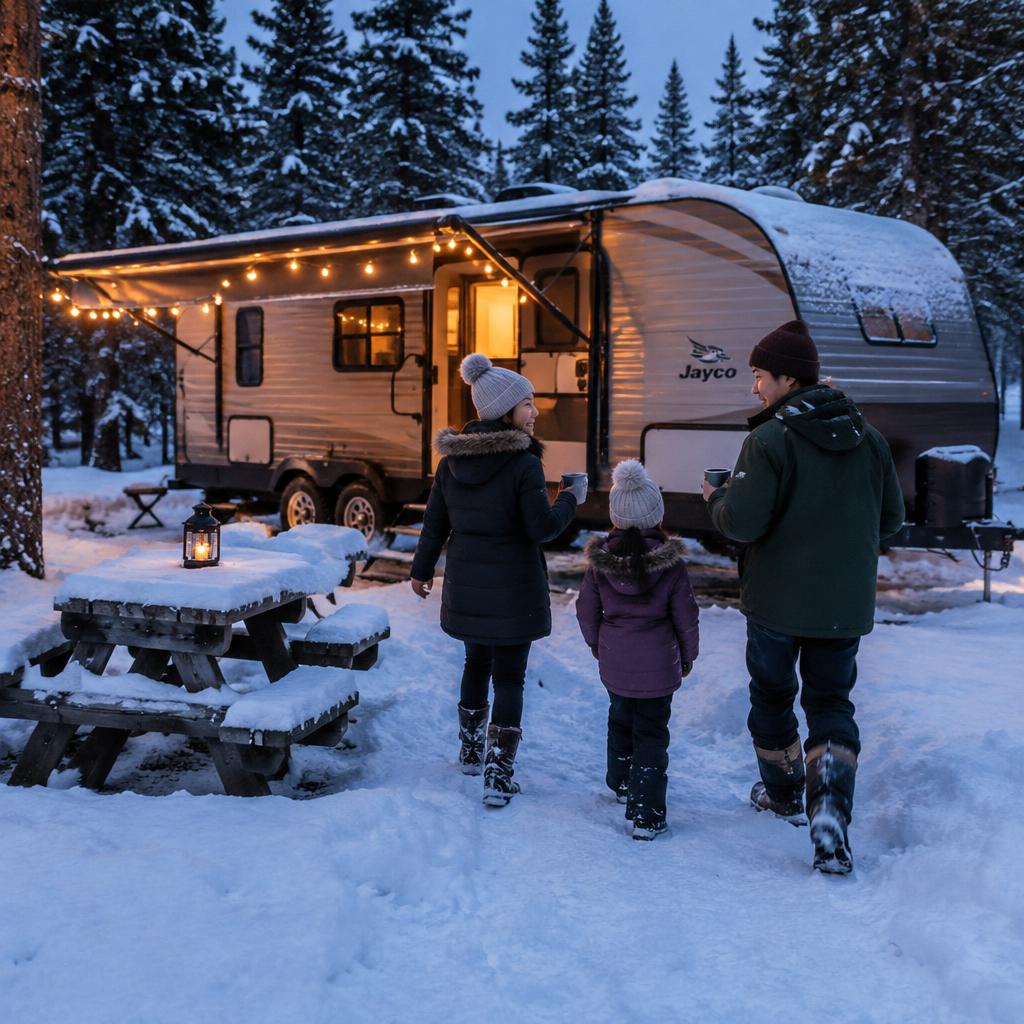
Expect shorter days and plan for them. Dark at 5 p.m. means camp set up by 3, dinner early, and evenings inside with games and cocoa — which, honestly, is the part kids remember. String lights and a lantern turn the early dark into the coziest camping of the year.
Check road conditions obsessively and carry chains where required, know your rig's limits on ice (the answer is: stay parked), and keep a winter emergency kit in the tow vehicle: blankets, water, snacks, a shovel and sand or traction boards.
Keeping kids warm and happy
Dress kids in layers they can shed — the cycle of snow play, wet gloves, warm rig, repeat is the rhythm of winter camping. Double up on gloves and socks specifically; everything else can be managed, but wet hands end fun fast. A boot and glove drying spot near the furnace vent is the highest-value square foot in the rig.
Plan the day around the warm hours: outside from ten to three, inside before and after. Sledding, snowshoeing on packed trails, and animal-track scavenger hunts all work for kids who 'don't like hiking.' Hot cocoa administered strategically can extend any outdoor session by twenty minutes.
The secret of winter camping with kids is that the contrast is the fun. Coming in from the snow to a warm, lit rig with dinner on the stove is a feeling summer camping cannot produce. Lean into it — it is why families who try winter camping tend to become winter camping families.
Recommended gear for this trip
Everything below is hand-picked for family trips. Affiliate links support the site.
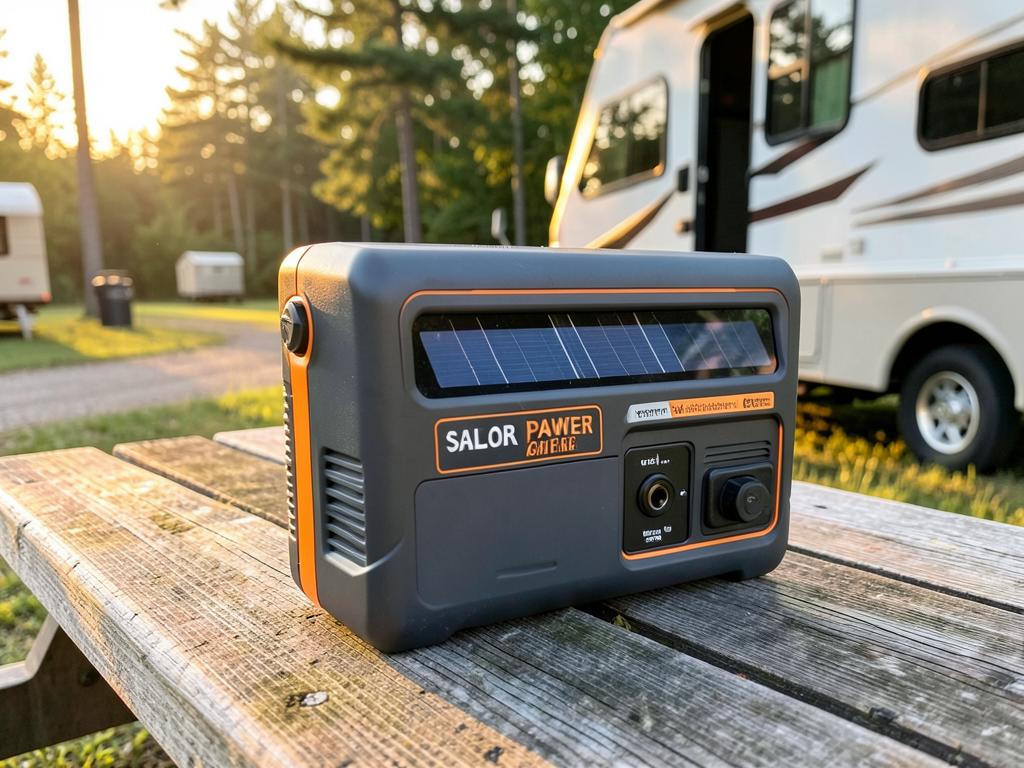 Best for boondocking
Jackery Explorer 1000 v2
A 1,070Wh power station that keeps a 12V fridge, CPAP and kids' tablets running through a long weekend off-grid.
Key benefits
- 1,070Wh LiFePO4 battery rated for 4,000 charge cycles
- 1,500W output (3,000W surge) across three AC outlets
- Recharges from 400W of panels in under 4 hours
Pros
- Silent operation
- Only 23.8 lbs — lightest in its class
- Dual 100W USB-C for laptops
Cons
- Panels sold separately
- Full wall charge takes about 1.7 hours
Affiliate link — we may earn a commission at no cost to you.
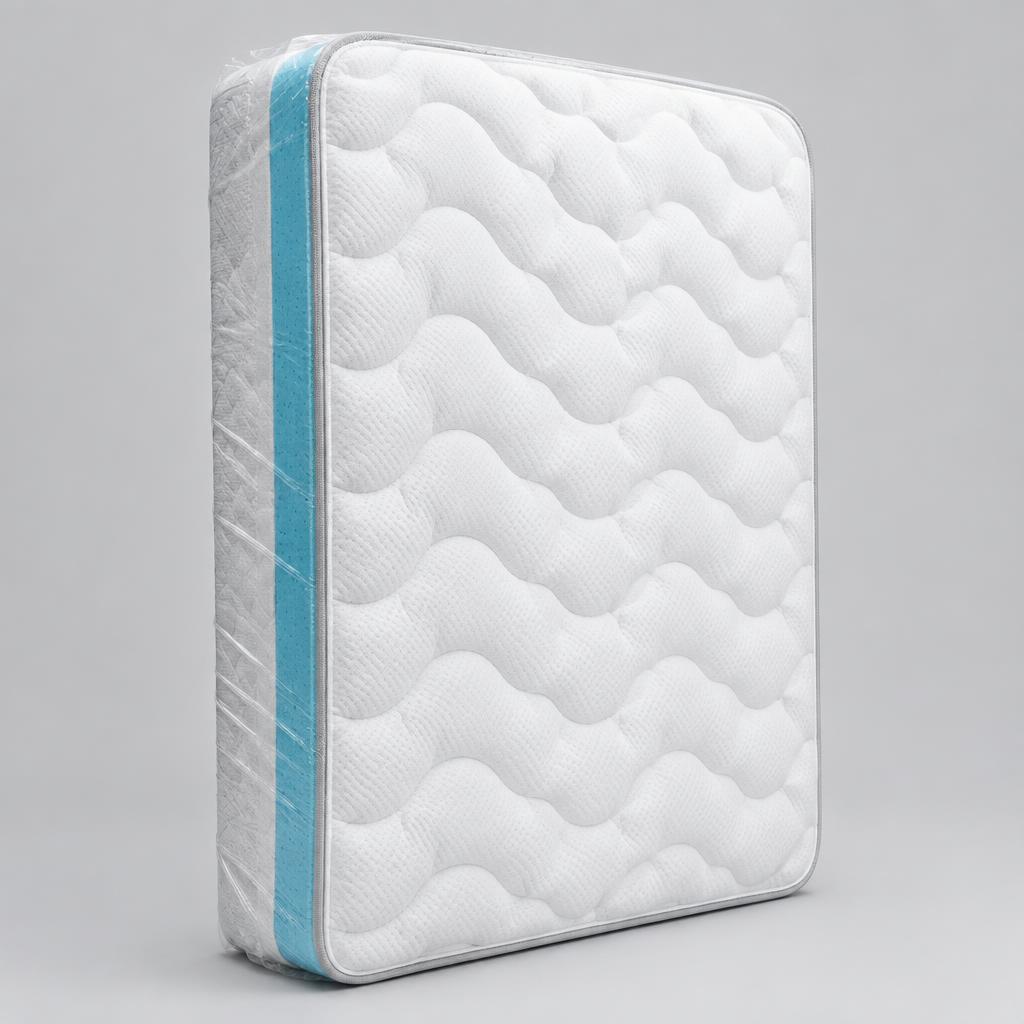 Best for better sleep
MLILY RV Short Queen Mattress
Replaces the factory foam slab most rigs ship with, and fits true RV short-queen dimensions without trimming.
Key benefits
- True 60x75 short queen
- Cooling gel top layer
- Ships compressed through the door
Pros
- Huge upgrade over factory foam
- No off-gassing smell after a day
Cons
- Heavy to maneuver alone
Affiliate link — we may earn a commission at no cost to you.
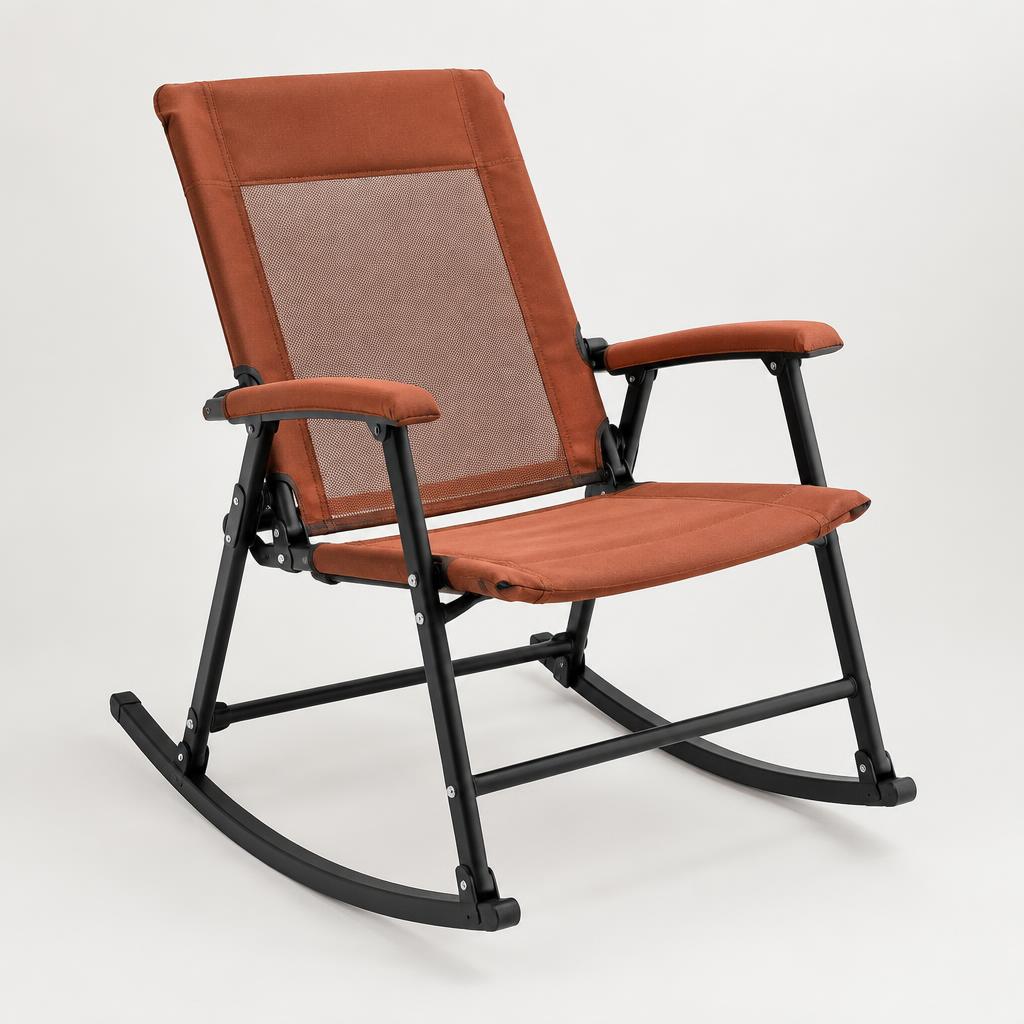 Best for campfire nights
GCI Outdoor Freestyle Rocker
A rocking camp chair that works on grass or gravel, folds flat for storage, and is sturdy enough that parents and kids both end up fighting over it.
Key benefits
- Spring-action rocking on any surface
- Holds up to 250 lbs
- Folds flat for easy packing
Pros
- Rocking works even on uneven ground
- Padded armrests with a drink holder
- Sets up in seconds
Cons
- Heavier than a basic folding chair at about 12 lbs
Affiliate link — we may earn a commission at no cost to you.
Frequently asked questions
Can you camp in an RV in freezing weather?
Yes — with preparation. Use a heated hose or run off your fresh tank, keep the furnace running with spare propane, skirt the rig or insulate exposed plumbing, and crack a vent to control condensation. Rigs with heated underbellies handle deep cold; three-season rigs do fine into the 20s°F with these measures.
How much propane does an RV furnace use in winter?
A typical RV furnace burns roughly a third of a gallon of propane per hour of runtime. In sustained freezing weather, expect to use a 30-pound (7-gallon) tank every two to four nights. Always carry a full spare and know where the nearest refill is.
How do you keep RV pipes from freezing while camping?
Keep the furnace on (it often ducts heat to the underbelly), skirt the rig, use a heated water hose or camp off the fresh tank, open cabinet doors at night so warm air reaches plumbing walls, and add small heaters to wet bays in extreme cold. Never leave the grey valve open in freezing temperatures.
Is winter camping safe with young kids?
Yes, with the right setup: full hookups for the first trips, a reliable heat source plus a backup, carbon monoxide and smoke detectors tested, and a hard rule about never running unvented heaters or generators inside. Kids in proper layers tolerate cold remarkably well — warm rigs and dry gloves are what matter.
Share
Facebook X PinterestGet the free RV planning bundle
Five printable checklists you can download and print right now — no email required.
Free to download, print and share. No spam — just the checklist.
Related reading
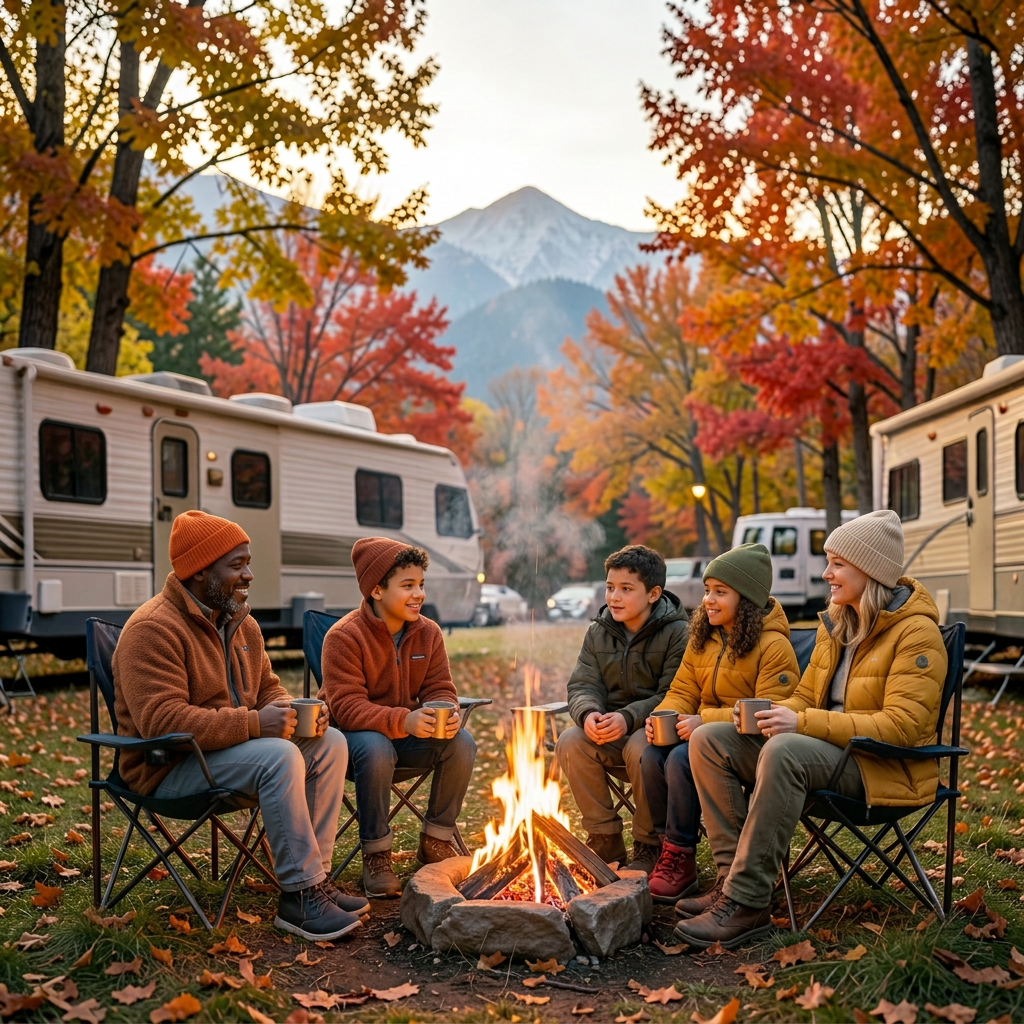
Camping in the Fall: A Family Guide to Cold-Weather Trips
Cooler nights, empty campgrounds and fires all evening — fall is the best-kept secret in family camping. Here's how to stay warm, fed and happy when the temperature drops.
11 min read
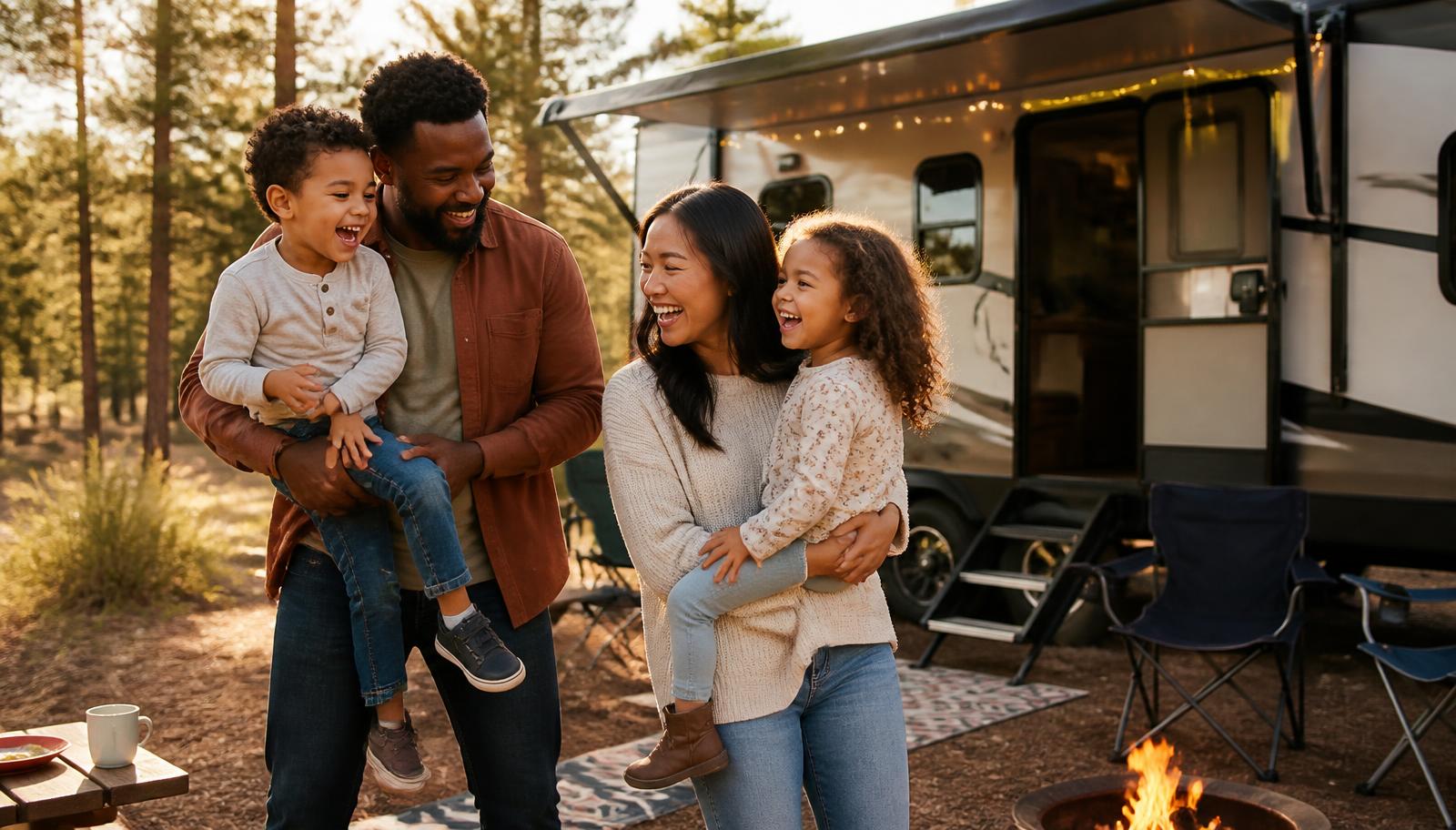
The Complete Beginner's Guide to Family RVing
What to know before a first family RV trip: rig choice, campground booking, packing and the routines that keep kids happy on travel days.
14 min read
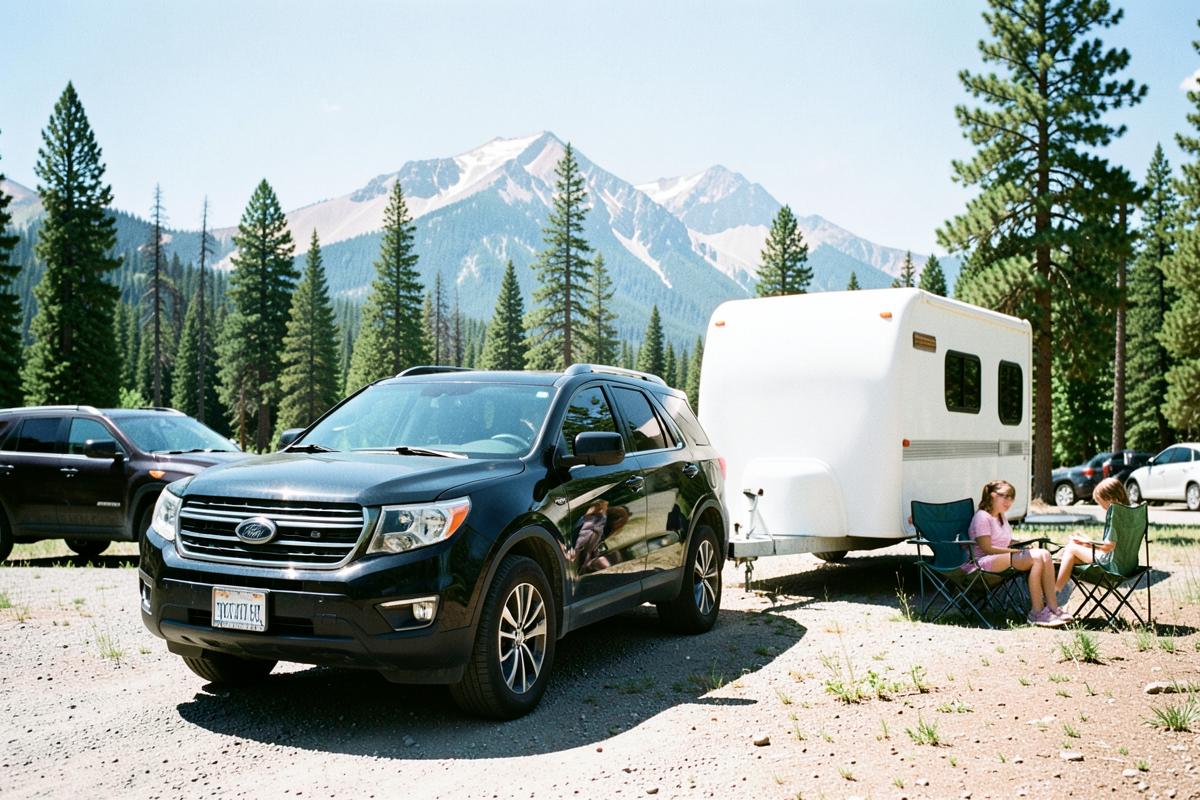
Lightweight Travel Trailers for Families: What to Know Before You Buy
You do not need a heavy-duty truck to RV with kids. Lightweight trailers under 3,500 pounds open the whole lifestyle to families with a midsize SUV — if you understand what the weight labels actually mean.
14 min read