Make-Ahead RV Meals: Prep Once, Eat Well All Week
The difference between a family that eats well on the road and one that lives on drive-throughs is one afternoon in the kitchen before departure. Here is the make-ahead system — what to freeze, what to prep, and how to feed everyone on travel days without cooking at all.
Affiliate disclosure: some links in this article are affiliate links. If you buy through them we may earn a small commission at no extra cost to you. Read the full disclosure.
Why meal prep matters more in an RV
An RV kitchen is a good kitchen with one fatal flaw: it is unavailable exactly when you need it most. Travel days mean the rig is packed down, the fridge is running on propane, and nobody can reach the stove. The families who eat well on the road solved this before they left the driveway.
The math is persuasive. A family of four spends $60–$90 on a single roadside fast-food stop, three or four times a trip. One afternoon of prep replaces most of those stops with food that is better, cheaper and — critically — ready in the five minutes between unhitching and the kids melting down.
The freezer is your co-pilot
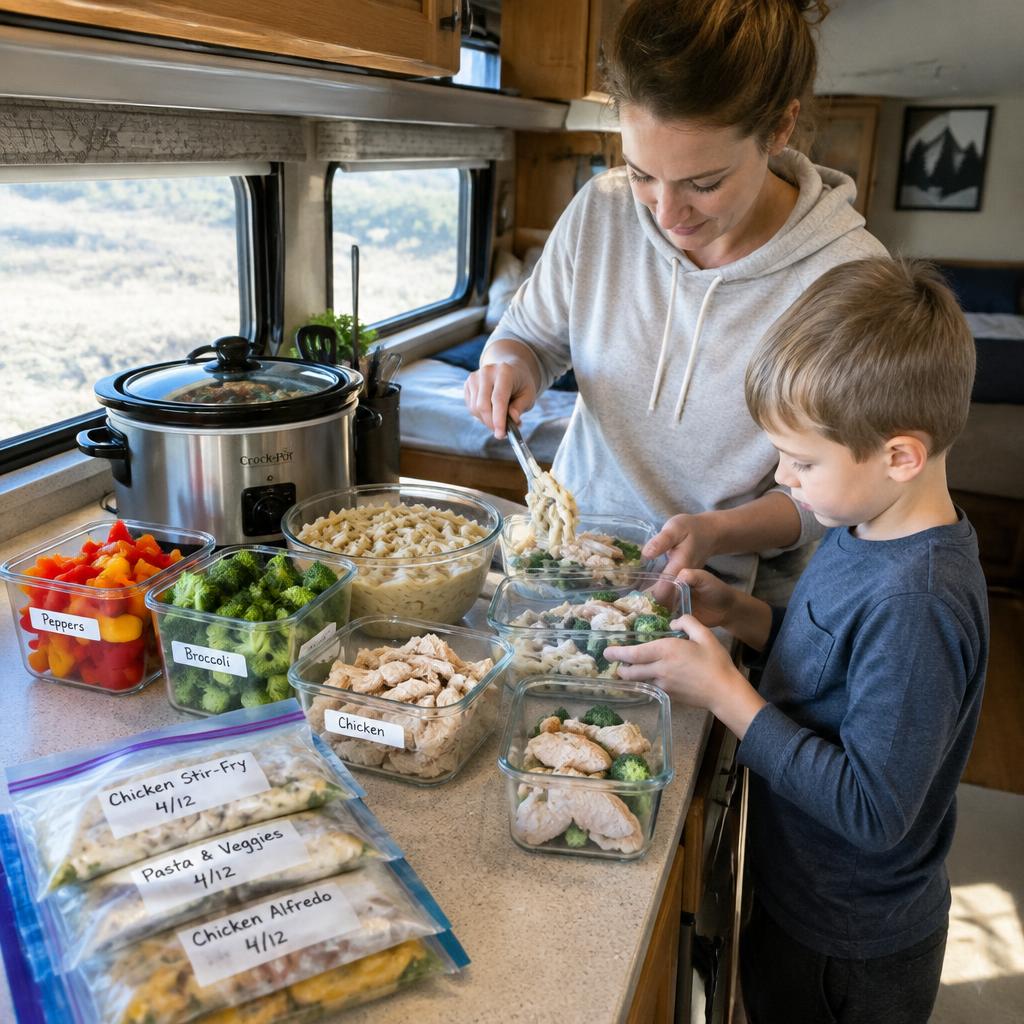
Freezer meals are the backbone: chili, pasta sauce with meat, marinated chicken, taco meat and soup, frozen flat in labeled zip-top bags. Flat bags stack like files, thaw fast in a sink of water, and double as ice packs for the first day of travel — keeping the fridge cold while slowly becoming dinner.
Label everything with the name, the date and the one-line instruction ('thaw, simmer 20 min, serve over rice'). Future-you, standing in a campground at 6 p.m. with hungry kids, should have to make zero decisions.
One rule: freeze only what you have already served at home. A camping trip is not the time to discover the kids hate a new recipe. Familiar food in a new place is comfort, not boring.
In a hurry? Jump straight to the gear we recommend for this.
Prep components, not just meals
Full meals are not the only play. Prepped components — cooked chicken, browned ground beef, chopped peppers and onions, washed lettuce, cooked rice, hard-boiled eggs — turn a 45-minute camp dinner into 15 minutes of assembly. Quesadillas, rice bowls, wraps and pasta all build from the same six containers.
Snack prep matters as much as dinner prep. Portion trail mix, cut fruit and veggies into grab containers, and make the snack bin the kids can access without asking. Travel-day hunger is the most predictable crisis in family RVing, and it is entirely preventable.
Do not forget breakfast: overnight oats in jars, a baked oatmeal or egg casserole portioned into squares, and pre-mixed pancake batter in a pour bottle cover the first three mornings with almost zero camp kitchen time.
Travel-day strategy: eat without cooking
Travel days run on cold food by design: wraps, pasta salad, cut fruit, cheese, crackers, and the good sandwiches — the ones assembled on real bread the night before. Pack the day's food in one cooler or an accessible fridge bin so nobody unpacks the rig at a rest stop.
The slow cooker is the travel-day hero if you are parked by mid-afternoon: dump a frozen meal in at lunch on low, and dinner makes itself while you set up camp. Just confirm your inverter setup can run it while driving, or start it once parked — a frozen block of chili needs four to six hours.
Keep one true emergency meal that requires nothing: a shelf-stable option like boxed mac and cheese plus canned chicken, or good ramen with frozen stir-fry vegetables. The day the fridge dies or the campground loses power, you will feel like a genius.
A realistic seven-day prep plan
Day 1 (travel): cold wraps and snack bin. Day 2: freezer chili with cornbread from a mix. Day 3: build-your-own rice bowls from prepped components. Day 4 (travel): sandwiches and pasta salad. Day 5: slow-cooker pulled chicken tacos from frozen marinated meat. Day 6: pasta with freezer sauce and a bagged salad. Day 7: grill night — burgers and corn bought at a local market, because a little fresh shopping mid-trip is part of the fun.
Notice the pattern: nothing on this plan requires more than one pot and twenty minutes at camp. That is the entire philosophy — the cooking happened at home, where your knives are sharp and your sink is big.
Adjust the plan to your fridge reality, not your aspiration. RV fridges are small; plan five days of food, not ten, and treat the mid-week grocery stop at a local market as a destination instead of a chore.
Recommended gear for this trip
Everything below is hand-picked for family trips. Affiliate links support the site.
 Best for long trips
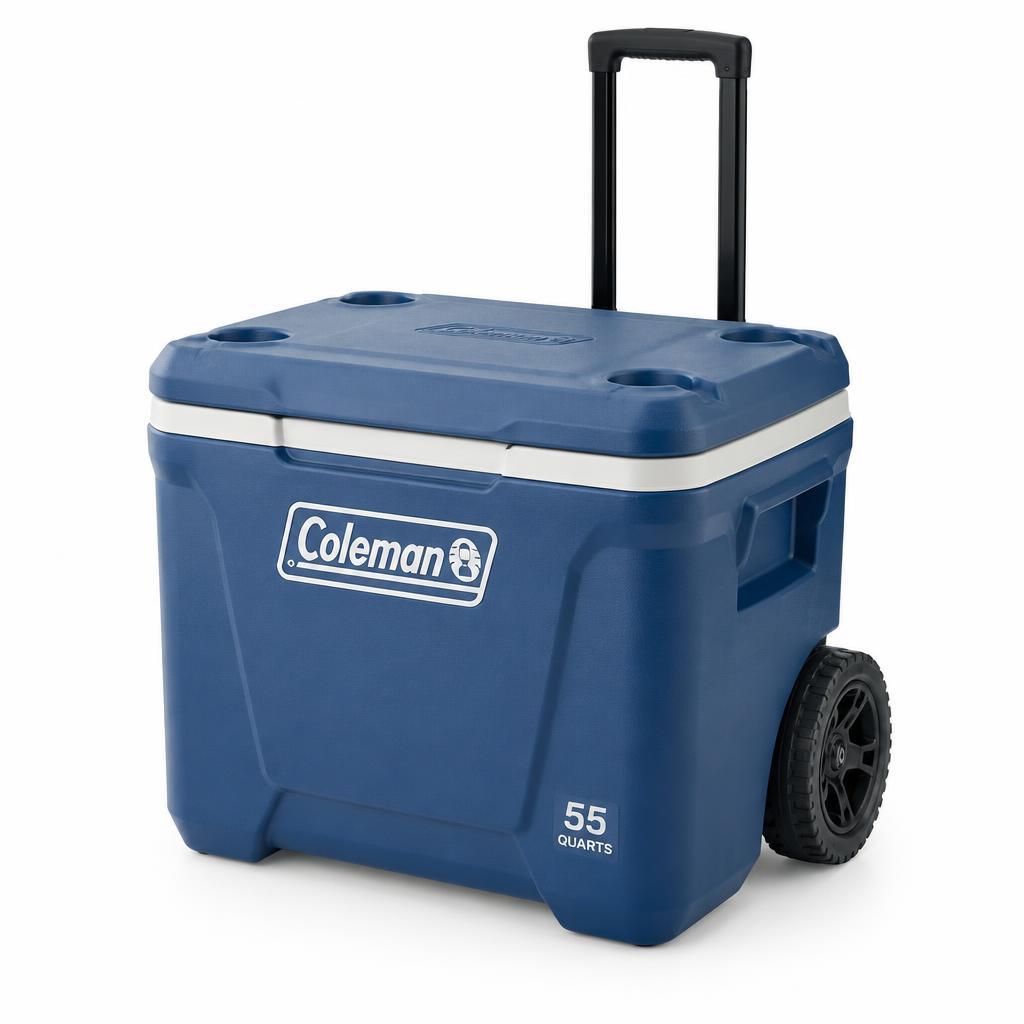
Coleman 55-Quart Wheeled Cooler
A 55-quart wheeled hard cooler with multi-day ice retention, so you stop restocking the campground store every morning.
Key benefits
- Up to 5 days of ice retention
- Wheels and handle for campsite hauling
- Lid doubles as an extra seat
Pros
- Great value for the size
- Drain plug for easy cleaning
Cons
- Takes up real cargo space
- Holds fewer days than premium rotomolded brands
Affiliate link — we may earn a commission at no cost to you.
 Best for camp cooking
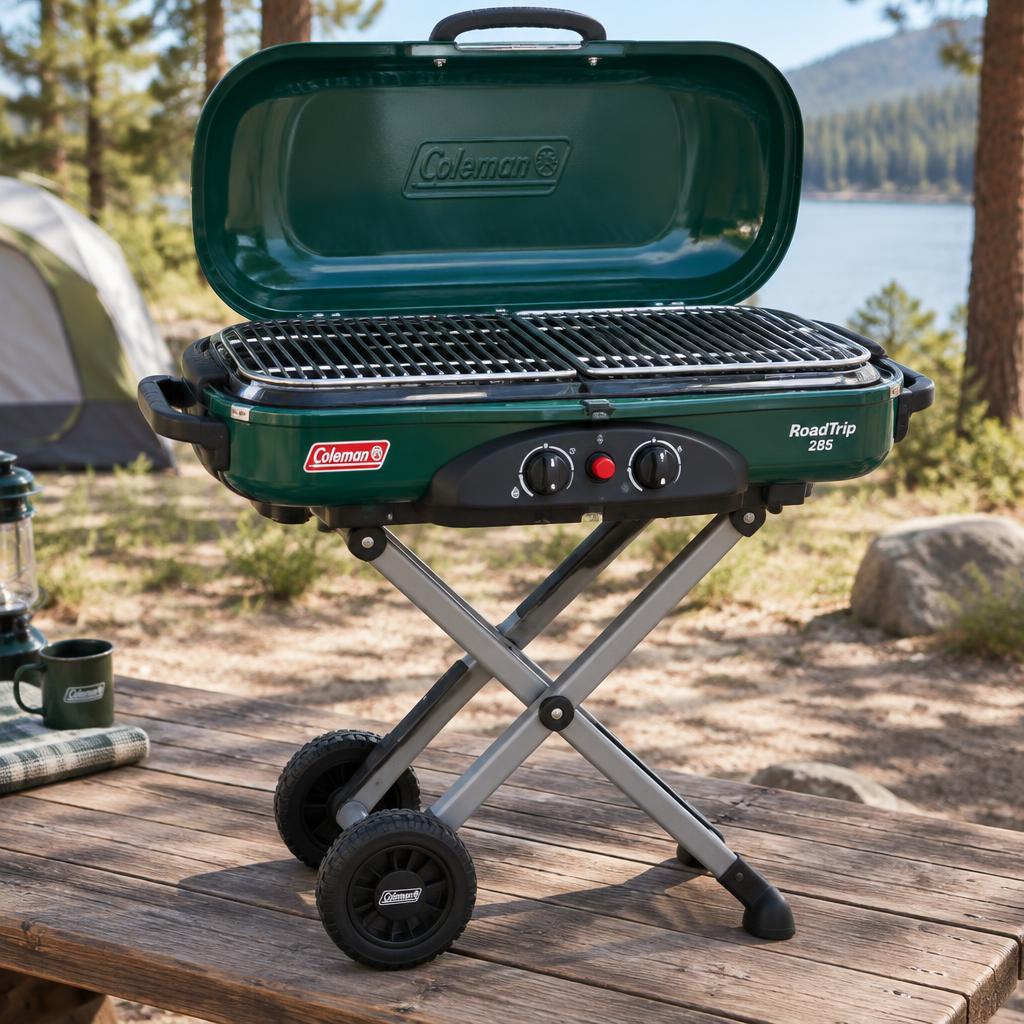
Coleman RoadTrip 285 Portable Propane Grill
A wheeled stand-up grill with 285 sq in of cooking space and adjustable burners, running on the same 1 lb propane canisters most families already carry.
Key benefits
- 285 sq in of cooking space with 20,000 total BTU across three burners
- Instastart push-button ignition and adjustable burners for zone cooking
- Wheeled stand folds down to fit in a pass-through bay
Pros
- Fast preheat
- Even heat across the large grate
- Works with an adapter hose off a bigger tank
Cons
- Heavier than a tabletop grill at about 48 lbs
Affiliate link — we may earn a commission at no cost to you.
 Best for boondocking
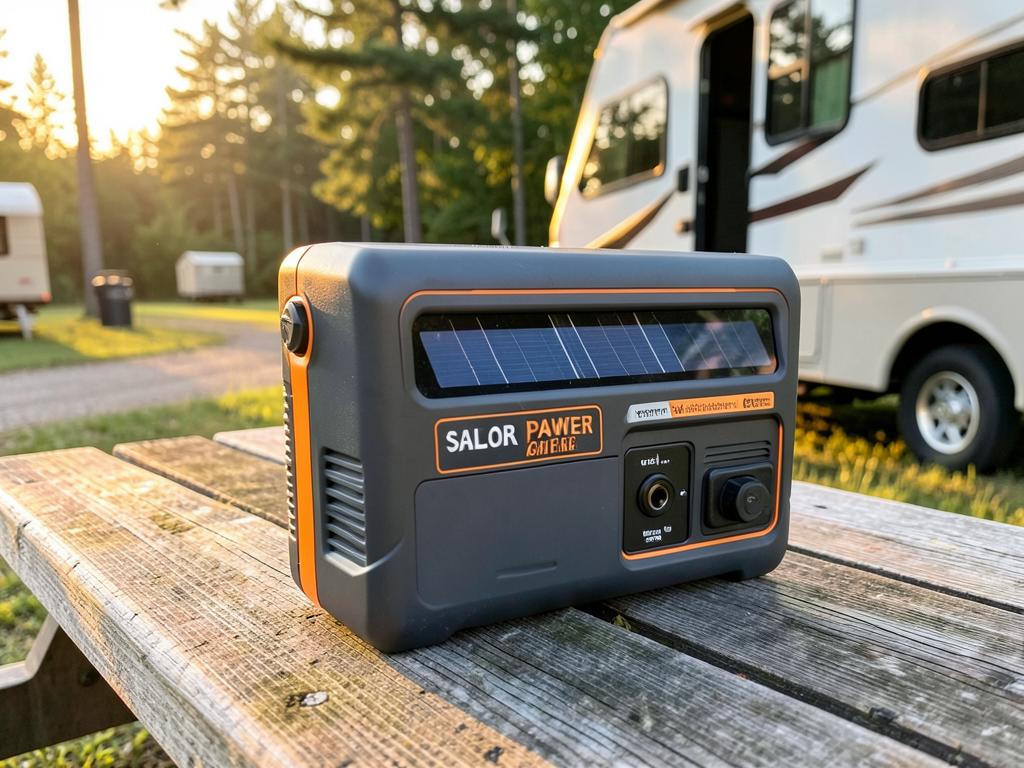
Jackery Explorer 1000 v2
A 1,070Wh power station that keeps a 12V fridge, CPAP and kids' tablets running through a long weekend off-grid.
Key benefits
- 1,070Wh LiFePO4 battery rated for 4,000 charge cycles
- 1,500W output (3,000W surge) across three AC outlets
- Recharges from 400W of panels in under 4 hours
Pros
- Silent operation
- Only 23.8 lbs — lightest in its class
- Dual 100W USB-C for laptops
Cons
- Panels sold separately
- Full wall charge takes about 1.7 hours
Affiliate link — we may earn a commission at no cost to you.
Frequently asked questions
What are the best freezer meals for RV trips?
Meals that freeze flat in bags and reheat in one pot: chili, soups, pasta sauce with meat, taco meat, marinated chicken, curries and pulled pork. Freeze them flat, label with cooking instructions, and use them as ice packs on travel day one.
How do you meal prep with a small RV fridge?
Plan five days of food, not ten. Prioritize flat-frozen bags and stackable square containers over round ones, keep drinks in a cooler to free fridge space, and build in a mid-trip grocery stop — it keeps food fresher and doubles as a local errand adventure.
Can you use a slow cooker in an RV while driving?
Only if your setup includes an inverter and your battery system supports it — most stock rigs cannot. The safer play is starting the slow cooker once you are parked with hookups; a frozen meal on low needs four to six hours, which matches a typical afternoon arrival.
How far in advance can you prep RV meals?
Freezer meals keep well for two to three months, so you can prep weeks ahead. Fridge components (cooked chicken, chopped vegetables, cooked rice) keep three to four days, so prep those within a day or two of departure and freeze anything for later in the trip.
Share
Facebook X PinterestGet the free RV planning bundle
Five printable checklists you can download and print right now — no email required.
Free to download, print and share. No spam — just the checklist.
Related reading
Best Camping Recipes Kids Will Love
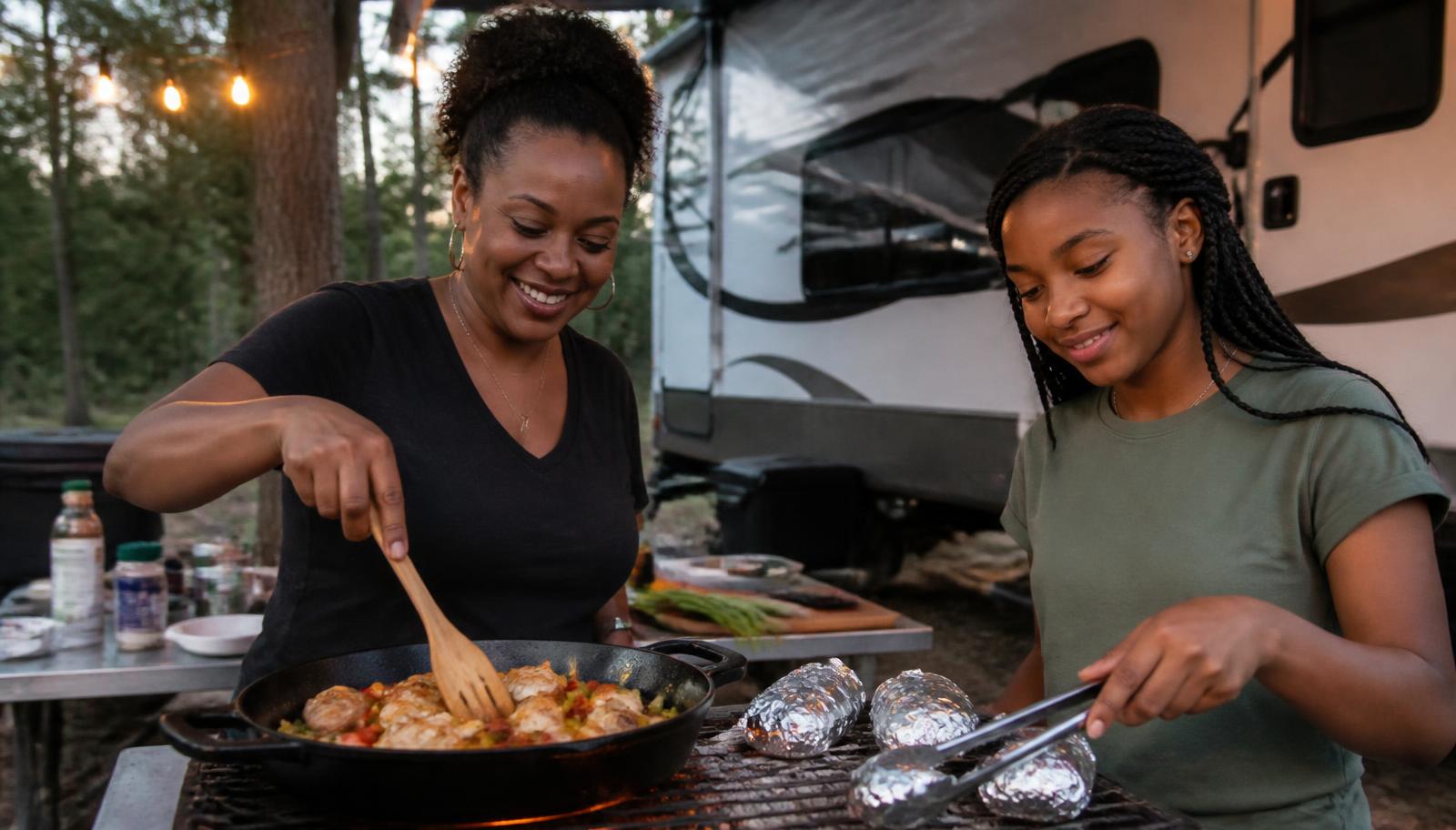
Foil packets, one-pan breakfasts and lunches that need no heat — camping recipes that work on repeat in a small RV kitchen.
10 min read

The Complete Beginner's Guide to Family RVing
What to know before a first family RV trip: rig choice, campground booking, packing and the routines that keep kids happy on travel days.
14 min read
Lightweight Travel Trailers for Families: What to Know Before You Buy
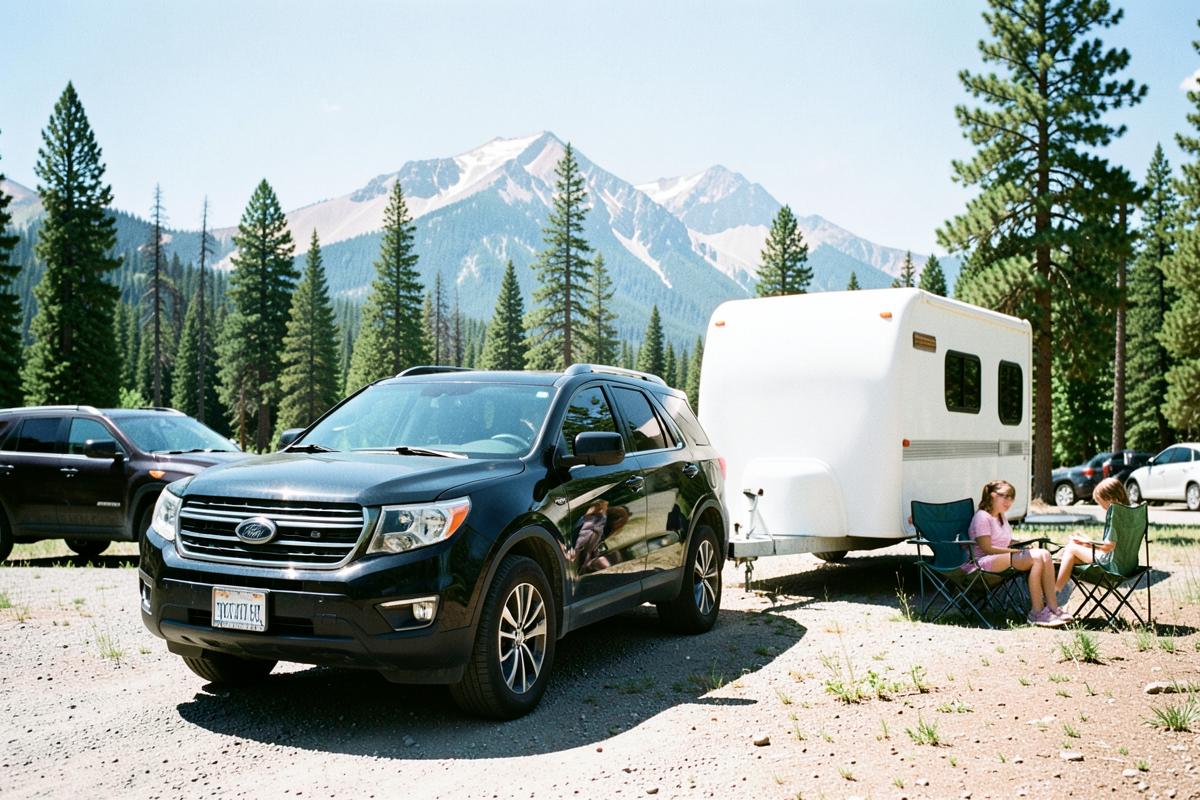
You do not need a heavy-duty truck to RV with kids. Lightweight trailers under 3,500 pounds open the whole lifestyle to families with a midsize SUV — if you understand what the weight labels actually mean.
14 min read